US and Israel Ramp Up Airstrikes, Kill 800 in Iran Conflict Escalation
A sharp increase in US-led airstrikes in Iran has led to significant casualties and substantial infrastructure damage, heightening regional tensions and security risks. Nearly 800 deaths, including potential future Iranian leaders, underscore the lethality and strategic impact of this escalation.
The US military has escalated its air campaign against Iran, striking nearly 2,000 targets since Saturday, resulting in the deaths of approximately 800 individuals. The offensive, which has primarily targeted military and government infrastructure, includes the facility where Iran's Supreme Leader Ayatollah Ali Khamenei was reportedly killed at the onset of these operations. Hard intelligence from the region suggests a shift toward a more aggressive military posture by the US and its allies, primarily Israel, amid escalating hostilities with Iran.
The roots of this conflict extend back several years, marked by heightened tensions following the US withdrawal from the Joint Comprehensive Plan of Action (JCPOA) in 2018 and subsequent Iranian provocations, including accelerated nuclear activities and proxy engagements across the Middle East. The recent mutual disregard for diplomatic channels has rapidly deteriorated relations, pushing both sides closer to a direct confrontation. Tehran has consistently perceived Washington's actions as attempts to destabilize its regime, while the US views Iranian actions as a direct challenge to regional stability.
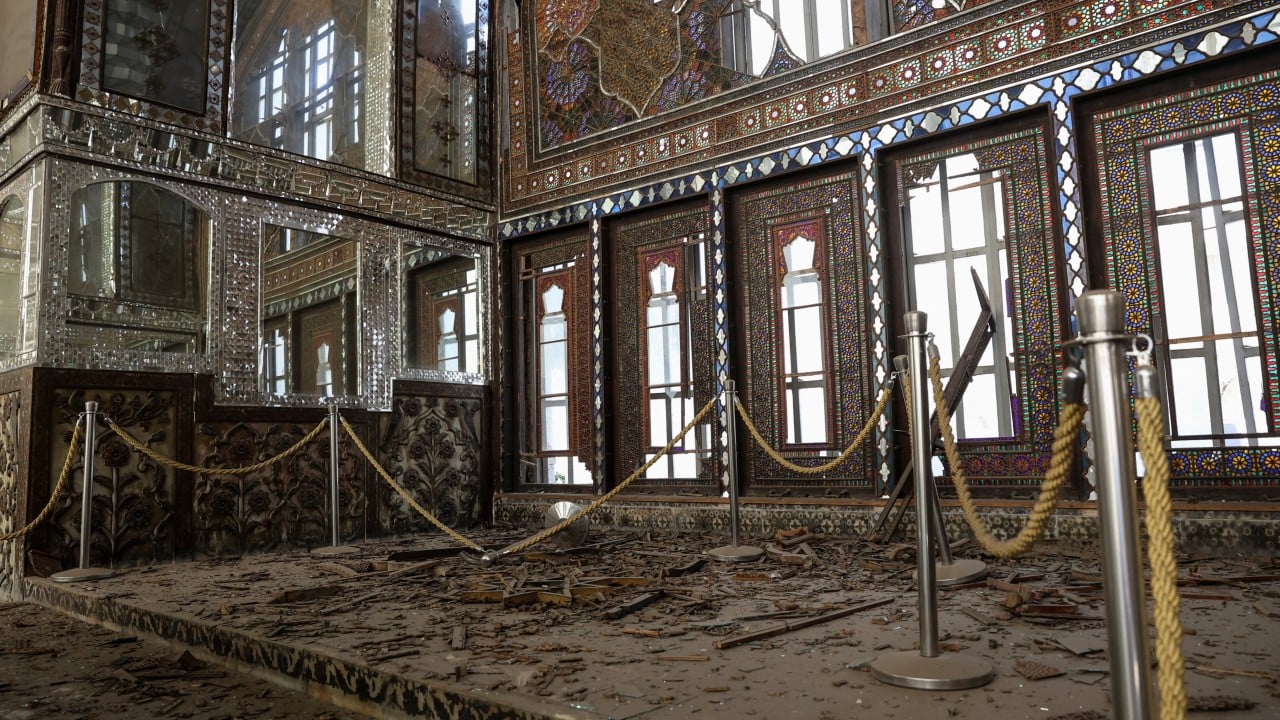
This escalation bears immediate significance for global security, particularly as Iran holds critical influence over various armed groups in Iraq, Syria, and Lebanon, potentially destabilizing the entire region. The loss of life and cultural heritage in the Golestan Palace attacks raises alarms about the targeting of significant cultural sites, underscoring the potential for further international condemnation and unrest. The extensive bombing campaign reveals vulnerabilities within Iran’s air defense systems and military readiness that could invite further aggression.
Key players in this conflict are reacting to their entrenched motivations. The US aims to project military might and diminish Iranian influence across the Middle East while enhancing its alliances in the region, notably with Israel. Conversely, Iran is racing to consolidate power internally, portraying the US strikes as acts of aggression that threaten its sovereignty. This duality fuels the conflict as both nations engage in a dangerous game of escalation that could spiral out of control.
Operational details indicate that the US is deploying advanced airstrike capabilities, leveraging platforms like the B-2 Spirit and F-35 Lightning II for precision strikes against predetermined targets. The intensive bombardment employs drone warfare techniques, indicating a new phase in aerial operations that could redefine military engagements within the region. The breadth of the target list reveals a comprehensive strategy aiming to undermine Iran’s military capabilities and state infrastructure, with the potential for significant collateral damage impacting civilian areas.
Anticipated outcomes from this crisis may include a further weakening of Iranian national cohesion and the emergence of retaliation strategies that could lead to proxy engagements or direct strikes against US interests in the Gulf. As Iran grapples with the fallout from these airstrikes, its leadership may resort to fueling unrest in neighboring countries or accelerating its nuclear development as a deterrent against further aggression.
Historical parallels can be drawn to past US military actions in Iraq and Afghanistan, where initial bombardment rapidly escalated into prolonged conflicts. The lessons learned regarding insurgency and resistance could inform Iranian responses, suggesting that a counter-terrorism campaign may soon facilitiate retaliatory strikes against perceived US allies and interests in the region. Such cycles of violence often lead to drawn-out conflicts, and the current dynamics echo previous confrontations whereby airstrikes invite insurgent backlash.
Moving forward, heightened surveillance over Iranian military assets and increased air patrols in the Persian Gulf are critical indicators to monitor. Intelligence reports on Iranian military mobilization, internal dissent, and international response will provide insights into potential escalation points. Should Iran retaliate directly or indirectly, the situation could spiral further into chaos, warranting acute attention from global security analysts.