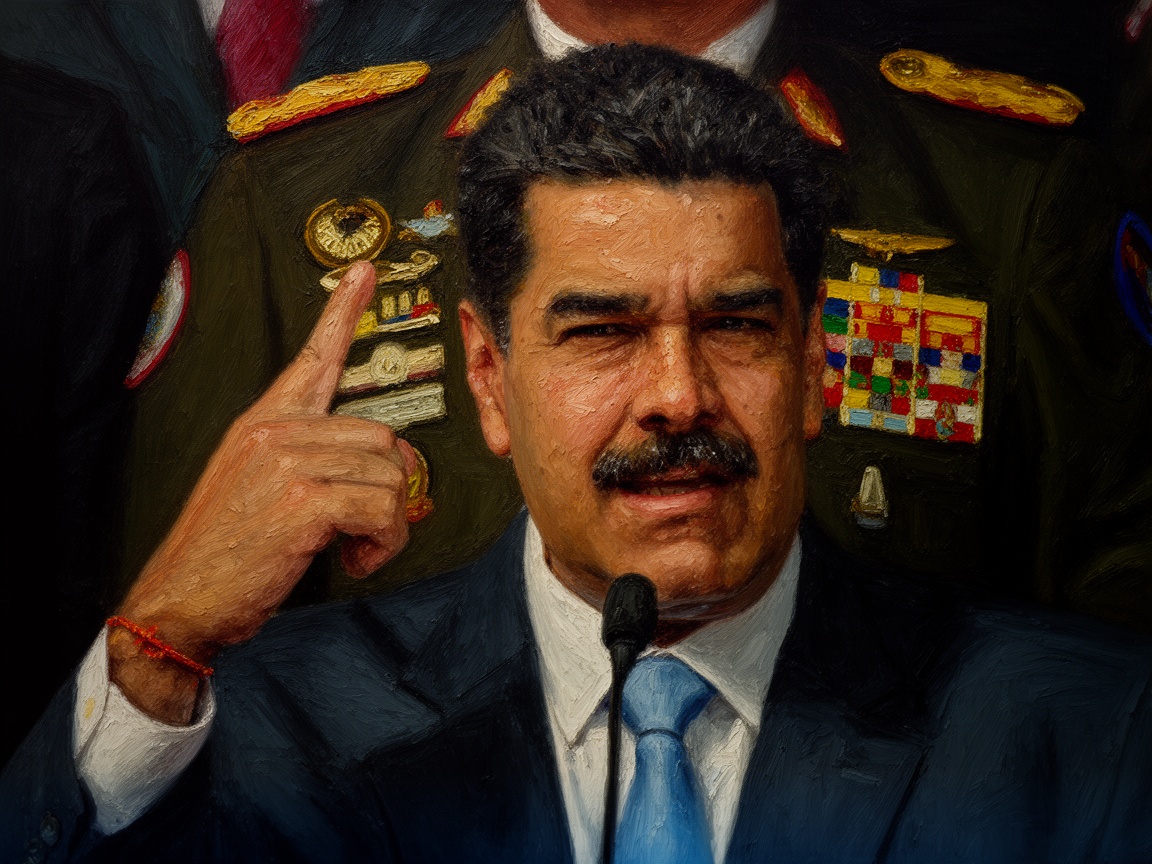
US Allows Venezuelan Government to Cover Maduro's Lawyer Fees
The United States has authorized the Venezuelan government to pay for legal representation for Nicolás Maduro. Defence lawyers had argued the case should be dismissed due to alleged violations of Maduro's rights amid an apparent US-led abduction dispute. The move signals a shift in how the case will be funded and may affect diplomatic and legal dynamics surrounding Venezuela's governance and sanctions regime.
The core development is blunt and procedural: the United States will permit the Venezuelan state to fund Maduro’s defense counsel in the ongoing case. This financement accommodates retained counsel and related legal costs, removing a financial constraint that had constrained Maduro’s access to representation. The decision reframes how the defendant’s legal team operates, potentially enabling more robust counsel and longer case timelines if required.
Background context centers on the locus of the dispute: Maduro and his defenders claim violations of due process and rights in the wake of what they describe as an unlawful US-led abduction. Defence attorneys had pressed for dismissal or suppression of evidence and procedural remedies on constitutional grounds. The financing decision comes after protracted litigation where questions of jurisdiction, extradition, and political context intersect with the courtroom dynamics.
Strategic significance lies in the signal it sends to both allies and adversaries. Funding Maduro’s defense from a Venezuelan government budget edge-shifts domestic legal narratives toward state involvement in high-profile political figures. International observers will assess whether this sets precedents for state-backed legal defenses in politically volatile regimes, and how it may influence the calculus of sanctions enforcement and diplomatic leverage.
Technical or operational details are sparse but notable: the arrangement specifies that the state will cover practical costs rather than a private donor network or independent fund. Details on the size of the budget, the number of lawyers retained, or the expected duration of funding remain undisclosed. The absence of a public accounting framework for these funds may invite scrutiny from international observers and oversight bodies concerned with due process and transparency.
Likely consequences point toward a more expansive role for state funding in politically sensitive prosecutions, with potential implications for court independence and defense strategy. Domestic political actors may cite this as a victory for due process and state sovereignty, while critics could question whether public funds are being used to bolster a contested regime’s political survival. Looking ahead, the legal process may extend longer with more expensive, high-visibility litigation, increasing interstate attention and potential leverage points for both supporters and opponents of Maduro’s government.