US Airstrike Sinks 16 Iranian Minelayers Near Strait of Hormuz
The destruction of Iranian naval assets raises the stakes in regional tensions, risking direct confrontation in a critical maritime chokepoint. This escalation could trigger broader military engagements and provoke retaliatory actions from Tehran.
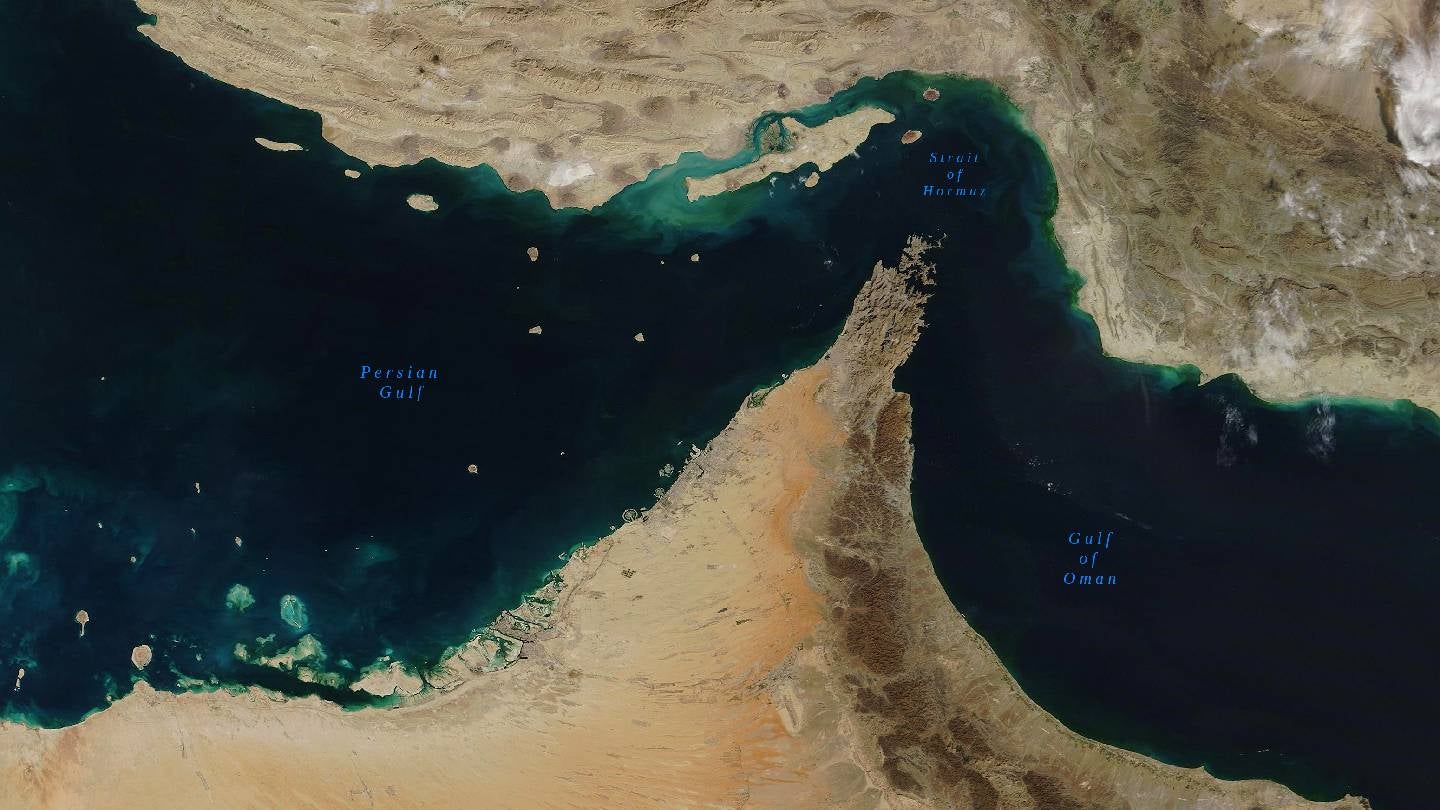
US Central Command reported the sinking of multiple Iranian vessels, including 16 minelayers, in a significant escalation near the strategic Strait of Hormuz. The operation marks a decisive military action amid escalating tensions between the United States and Iran that have simmered for years following the US withdrawal from the Iran Nuclear Deal in 2018.
The Strait of Hormuz is not just a critical maritime route but also a flashpoint for geopolitical tensions. It sees a daily transit of approximately 18.5 million barrels of oil, accounting for nearly 20% of the world's oil trade. The naval capabilities of Iran, particularly its mines and speedboats, have long posed a threat to freedom of navigation in this essential waterway, compelling the US to reinforce its military posture in the region.
The sinking of these Iranian vessels marks a pivotal point in an ongoing strategic contest between Tehran and Washington. The loss of 16 minelayers compromises Iran's ability to interdict maritime traffic in the Strait, exposing vulnerabilities in its naval doctrine and pressuring its military leadership to reassess operational strategies. This incident heightens the risk of direct military conflict as both Iran and the US navigate the aftermath of this critical loss.
Key players in this scenario include the Islamic Revolutionary Guard Corps (IRGC), which oversees Iranian naval operations, and US Central Command, tasked with protecting international maritime routes. The IRGC is likely to perceive this airstrike as an act of aggression, necessitating an aggressive response to restore its deterrent credibility, while CENTCOM aims to reinforce its dominance in the region amid Iranian provocations.
Reports regarding the technical specifications of the Iranian minelayers indicate they were equipped to deploy naval mines capable of obstructing shipping lanes vital to global economies. The US airstrike was delivered with precision, demonstrating advanced reconnaissance capabilities and air superiority in the region. The specific platforms involved in the operation have not been disclosed, but they likely involved high-altitude bombers or naval strike capabilities.
In the aftermath, the most probable consequence will be increased military tension and reciprocal actions from Iran, which may include targeting US assets in the region or enhancing its naval presence to contest US operations. Journalists and defense analysts must watch for any immediate Iranian military exercises or missile tests that may follow.
Historically, similar scenes have played out during the 1980s Tanker Wars and more recently in the wake of the 2019 Gulf of Oman incidents, which involved attacks on oil tankers. Each escalation seemed to draw both sides deeper into a cycle of retaliation, showcasing how fragile maritime security can devolve into broader conflicts amidst strategic miscalculations.
Going forward, intelligence analysts will need to monitor any shifts in Iranian naval deployments and look for signs of retaliatory strategies. The presence of US naval forces and potential coalition responses from Gulf allies could also indicate a shift in operational readiness as both sides brace for the possibility of an escalated military confrontation in the Strait of Hormuz.