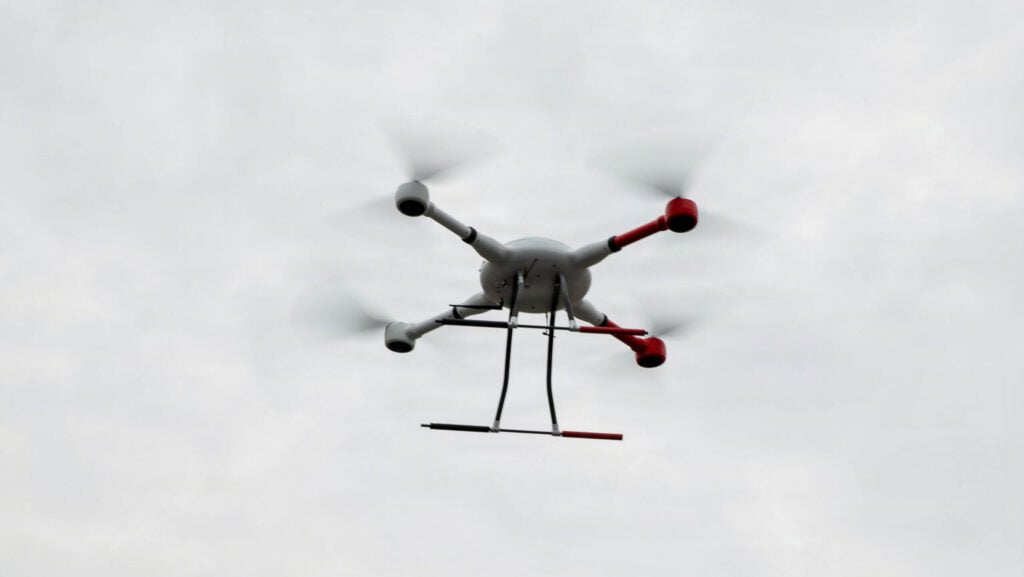
US Air Force Seeks Hard-Kill Solutions to Neutralize Small Drones
The US Air Force is aggressively pursuing new counter-drone technologies to detect and destroy small unmanned aerial systems (UAS). This push reflects heightened threats to base security from increasingly agile and numerous drone incursions. The effort could reshape base defenses and airspace control worldwide.
The US Air Force has issued two new Requests for Information (RFIs) soliciting advanced systems capable of detecting and hard-killing small unmanned aerial systems (UAS). This move responds to the increasing proliferation and sophistication of small drones which pose escalating threats to military bases.
Base security has been under growing pressure as low-cost drones are used to conduct reconnaissance, deliver explosives, and disrupt operations. The Air Force’s efforts to acquire detection and hard-kill weapons aim to close gaps in current counter-UAS defenses which rely heavily on soft-kill electronic warfare methods.
Strategically, this constitutes a critical upgrade in protecting key installations and assets. Hard-kill systems can provide decisive engagement capabilities to neutralize threats before they reach critical proximity, a necessity as drone swarms and autonomous flight become more common in adversary arsenals.
The RFIs request technical data on radar, electro-optical sensors, and kinetic countermeasures including directed energy weapons, interceptors, and kinetic projectile systems. The Air Force’s $100 million investment signals urgent prioritization of layered defense architectures combining detection, tracking, and physical elimination of hostile drones.
If successful, these developments are expected to significantly alter force protection doctrines globally, prompting allied and adversary forces alike to reassess drone tactics and escalate their own counter-UAS innovations to maintain operational dominance.