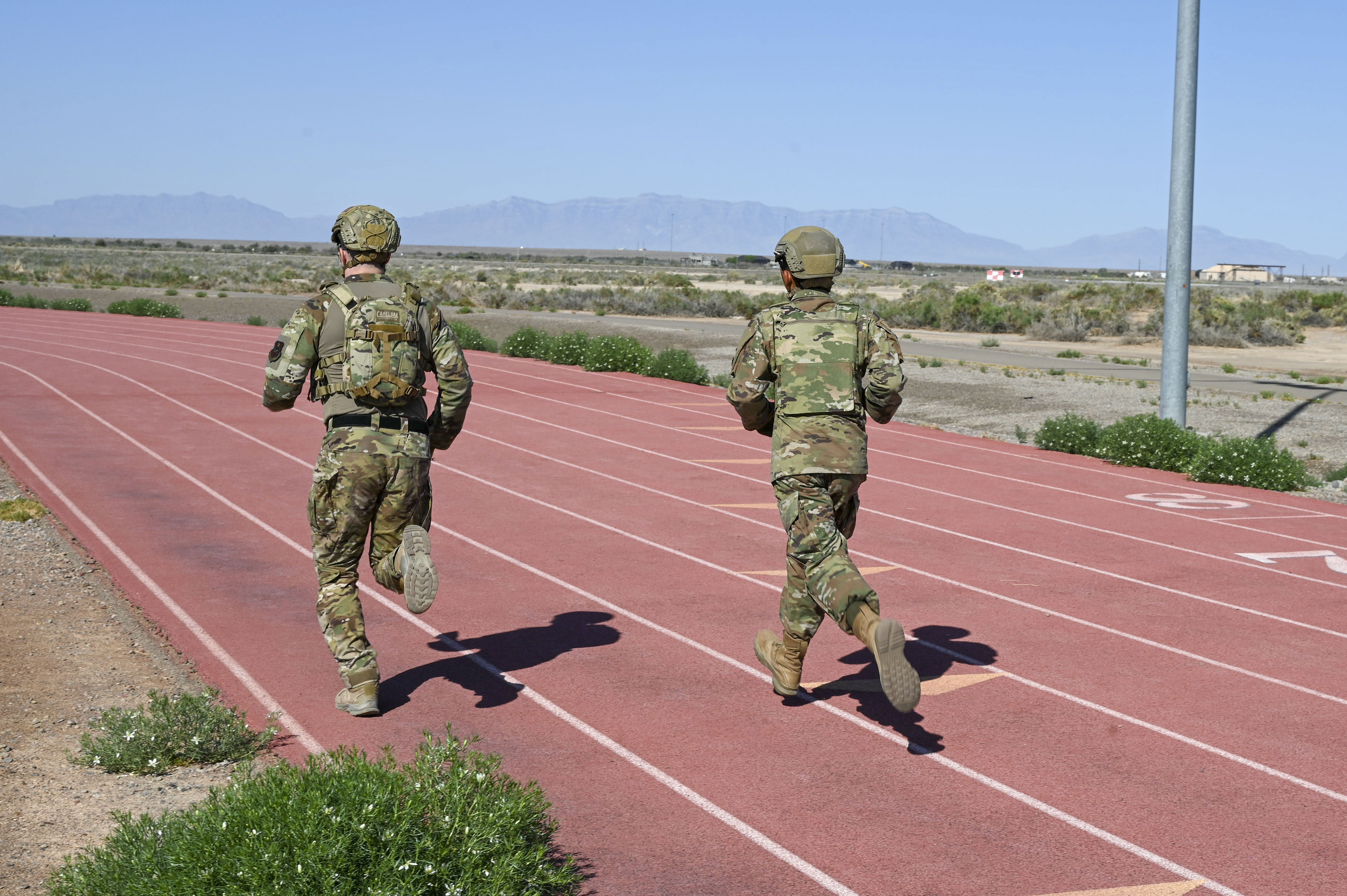
US Air Force Revises Fitness Standards Amid Declining Readiness Crisis
The US Air Force's revision of its fitness program highlights a concerning decline in operational readiness among airmen, raising strategic alarms over troop effectiveness and morale. This shift underscores significant vulnerabilities as peer adversaries advance militarily.
The U.S. Air Force has dramatically revised its physical fitness standards in response to an alarming decline in the overall health and readiness of its personnel. This overhaul includes new assessment protocols and score charts aimed at encouraging airmen to adopt healthier fitness habits. This move reflects a critical acknowledgment of deteriorating troop conditions as military threats from competitor states, such as China and Russia, intensify.
For years, the U.S. military has faced increasing scrutiny over the fitness and readiness levels of its forces. Recent reports indicate that a growing percentage of airmen are failing physical fitness assessments, with some estimates placing failure rates near 20%. The Air Force's inability to maintain fitness standards could impact mission effectiveness and troop resilience in high-stakes environments, particularly in light of operational demands.
This change has significant implications for national security, revealing potential gaps in the U.S. military's capability to rapidly deploy effective forces. With adversaries expanding their military capabilities, the current lack of readiness among airmen poses strategic risks that could be exploited in future conflicts. Additionally, lower morale and troop effectiveness can adversely affect overall military cohesion.
Key figures within the U.S. Air Force cite improved troop health and operational effectiveness as primary motivations behind the new program. However, the underlying reality may be more about addressing systemic readiness issues and potential personnel crises rather than merely promoting fitness. The urgency of adopting these new standards can be seen as a direct response to growing external threats and internal operational challenges.
Specific details of these revised fitness assessments include a focus on cardiovascular endurance, strength training, and overall wellness, though the exact parameters of the changes have yet to be fully disclosed. The Air Force has previously indicated that it would provide airmen with more comprehensive resources to achieve these new standards, including access to nutrition programs and tailored fitness regimens. However, potential budget constraints and operational priorities may affect implementation timelines.
The likely consequences of this revised fitness program could lead to initial improvement in physical readiness among airmen, but any long-term benefits remain uncertain. If the revisions fail to translate into meaningful results, a further decline in troop preparedness could ripple through the Air Force's ability to maintain its air superiority in the face of competition. Moreover, continued failures to respond appropriately to troop health issues may result in broader calls for military reform.
Historically, military organizations that have struggled with personnel fitness have faced significant operational challenges. For example, during the Gulf War, various branches of the U.S. military encountered issues related to troop readiness that were linked to physical conditioning shortcomings. The U.S. Air Force's current situation echoes those past challenges, underscoring the importance of maintaining a fit and ready force.
Moving forward, the intelligence community should closely monitor fitness assessment results, engagement rates in new programs, and overall airman feedback regarding the revised fitness standards. Any sustained declines in readiness or failure rates will signal deeper issues within the Air Force's personnel management practices, which could have lasting repercussions on U.S. military operations and readiness assessments against peer competitors.