U.S. Air Force Escalates Anti-Radiation Missile Development, Seeking New Vendors
The U.S. Air Force’s pursuit of additional vendors for anti-radiation missiles reflects escalating competition in advanced missile technology amid rising global tensions. The push highlights vulnerabilities in existing procurement and the imperative for rapid response systems.
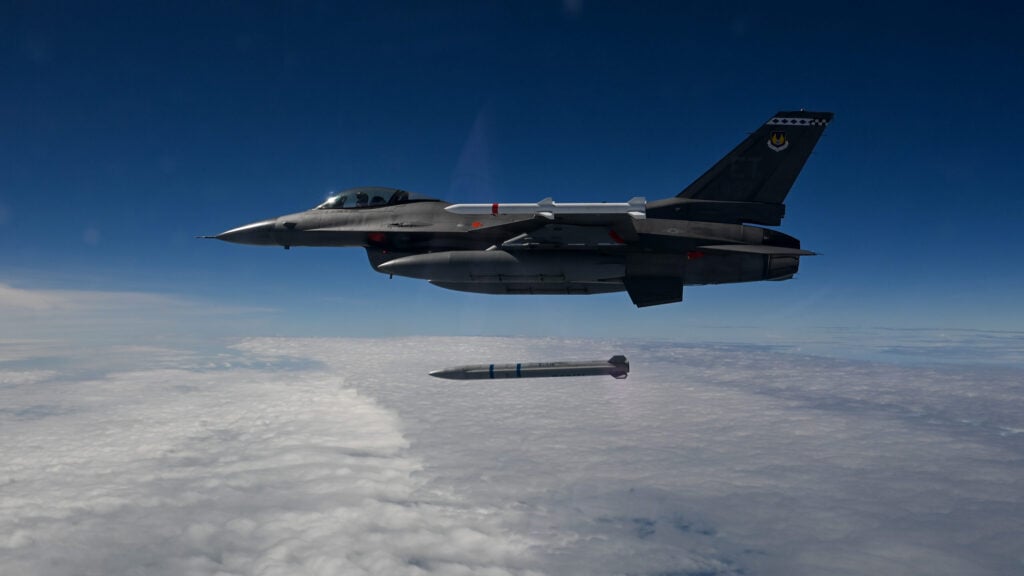
The U.S. Air Force is intensifying its efforts to develop a new anti-radiation weapon system by seeking additional vendors to supply an equivalent to the Northrop Grumman-developed Stand-in Attack Weapon (SiAW). On March 4, an official market survey was released, indicating that the Air Force is actively interested in diversifying its supply chain, raising the stakes in missile technology development critical for countering adversarial radar systems.
Tensions have been escalating in various regions, particularly with adversaries like China and Russia investing heavily in advanced radar technologies capable of targeting U.S. military assets. The Stand-in Attack Weapon is part of a broader strategy to modernize U.S. strike capabilities against enemy air defenses. Historically, the U.S. has relied heavily on a limited number of prime contractors for critical technologies, which has raised concerns about supply chain vulnerabilities amid increasing geopolitical threats.
The significance of this development lies in the strategic imperative for the U.S. to maintain its edge in advanced military technologies. The ongoing race for sophisticated anti-radiation systems is critical not only for deterrence but also to ensure operational effectiveness in contested environments. The Air Force’s search for alternative vendors signals a recognition that the current procurement practices may not suffice for the unpredictable nature of future conflicts.
Key players in this space include established defense contractors like Raytheon and Lockheed Martin, who are likely to view this survey as an opportunity to capture market share. Northrop Grumman's current position as the selected manufacturer for SiAW does not preclude the Air Force's interest in alternatives, suggesting concerns over potential cost overruns or technological delays.
Details surrounding the SiAW development indicate that the missile is expected to be capable of delivering precise strikes against enemy radar and air defense systems at extended ranges. As of now, estimates for its deployment have not been publicly disclosed, but competition for advanced missiles is anticipated to feature rapidly evolving specifications and performance metrics.
The possible consequences of this push include accelerated technological advancement in anti-radiation capabilities, but it could also lead to an arms race, particularly as rivals are likely to respond with countermeasures or enhanced radar systems. Moreover, further diversification of suppliers may lead to increased competition, potentially driving down costs but also raising concerns over reliance on multiple contractors for critical systems.
Historical parallels can be drawn to the Cold War arms race, where the U.S. and Soviet Union relentlessly pursued superior missile technology in response to each other's advancements. The current environment reflects similar dynamics, with global powers racing to outpace one another technologically in the armed forces.
Moving forward, defense analysts should closely monitor the responses from both the private sector and international rivals. Key indicators will include announcements of new competitive bidding from contractors, responses from adversaries about their own missile capabilities, and adjustments in military procurement strategies that may arise to accelerate weapon system developments in response to the shifting landscape.