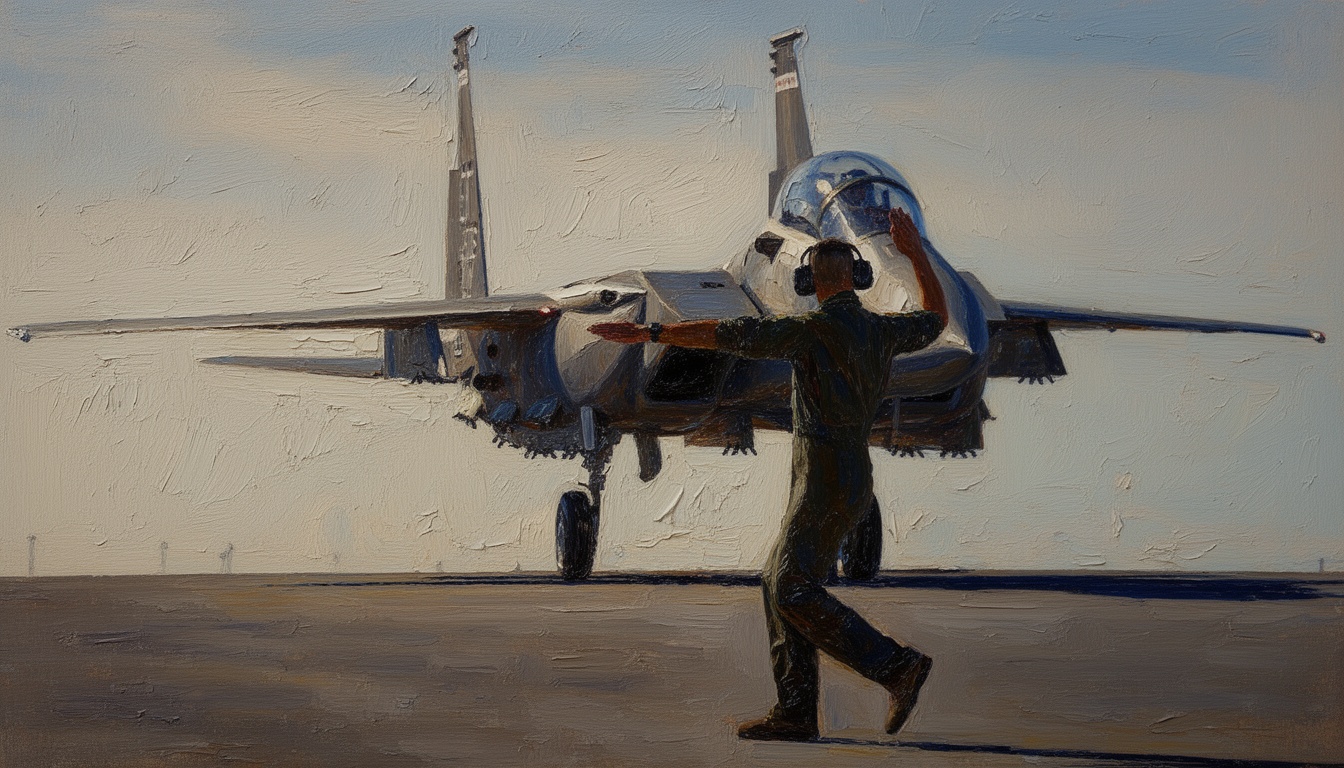
US Air Force Aims to Double F-15EX Eagle Fleet
The United States Air Force plans to grow its F-15EX Eagle II inventory to 267 aircraft, signaling a major expansion of air-superiority and multirole capabilities. The move reflects long-term modernization and push to increase survivable, cost-effective fighters in a contested European and Indo-Pacific environment.
English: The U.S. Air Force plans to increase its F-15EX Eagle II fleet to 267 aircraft, a doubling of current numbers. This objective underscores a shift toward expanding survivable, mature air-power assets that integrate advanced sensors and weapons. The decision points to a broader modernization trajectory aimed at sustaining air superiority amid rising near-peer competition and potential adversary air threats.
Background: The F-15EX program emerged as a cost-effective alternative to new stealth fighters, leveraging mature airframes and high mission-capable rates. Initial procurement focused on replacing legacy F-15Cs and augmenting broader air-combat and strike capabilities. Budgetary cycles and industrial capacity have framed the pace at which the Eagle II enters and scales within the force structure.
Strategic significance: Doubling the F-15EX fleet expands the Air Force’s mixed-fleet paradigm, increasing long-range intercept, air-dominance, and joint-interoperability options with allied forces. The platform’s open-architecture design supports rapid integration of new sensors, weapons, and upgrades, complicating adversaries’ targeting calculus and augmenting deterrence.
Technical/operational details: The F-15EX Eagle II features advanced radar, secure data links, and the ability to carry a broad loadout of air-to-air and air-to-ground weapons. The aircraft is powered by twin engines and designed for high sortie rates with lower lifecycle costs compared to newer fifth-generation platforms. Programmatics include procurement, training pipelines, and maintenance ecosystems needed to achieve 267-inventory targets over the coming years.
Forward assessment: If realized, the expansion will reshape force structure, contributing to higher readiness and broader geographic reach. Expect intensified industrial and pilot training demands, along with updates to logistics, sustainment, and allied interoperability plans as the fleet grows to scale.