US Air Defense Maxed Out Yet Iran Hits Saudi Airbase
The US claims its air defense strategy, tailored for China, is maxed out. Yet Iran successfully targeted US aircraft in Saudi Arabia, exposing critical gaps. This raises urgent questions on Washington’s regional deterrence and air defense against asymmetric threats.
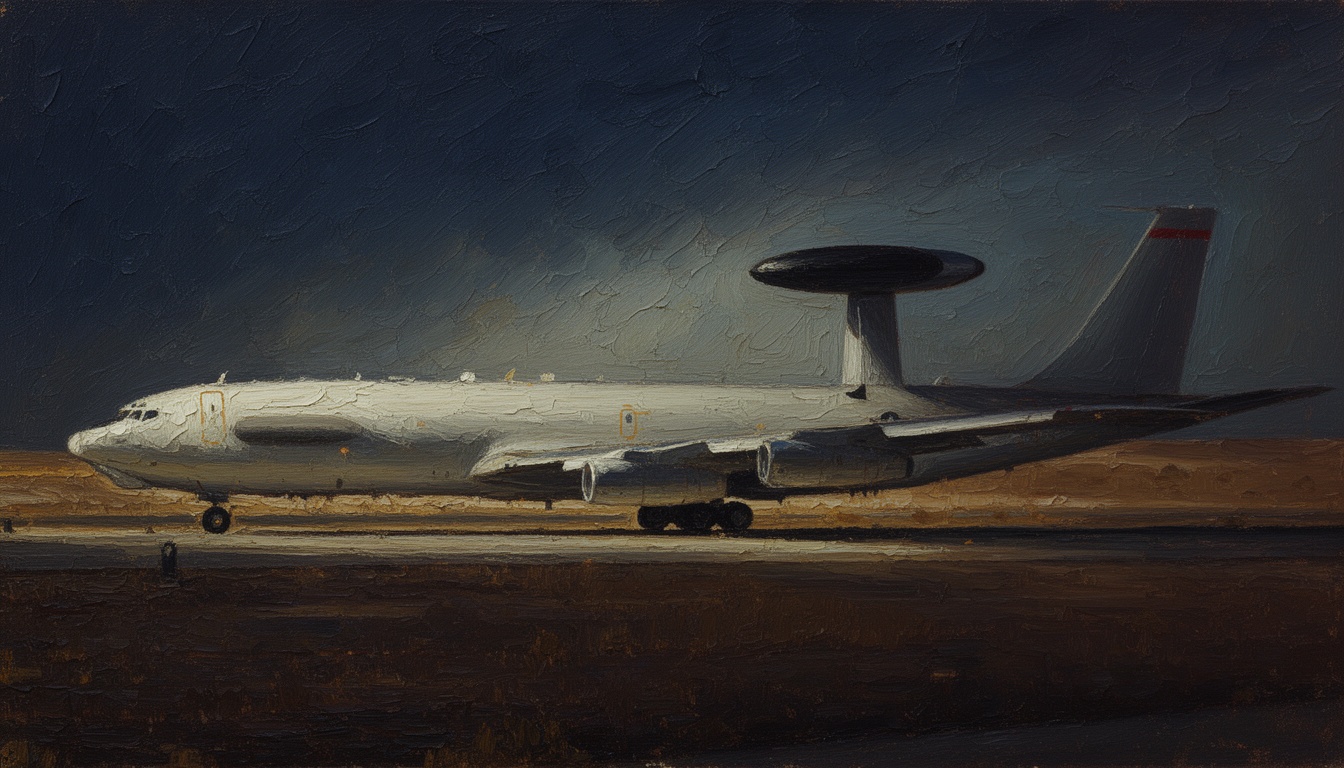
The US Department of Defense asserts it has reached the limits of its defensive capabilities designed primarily to counter China’s advanced air threats. Despite this, Iran executed a successful strike against US aircraft stationed in Saudi Arabia’s southern airbases, marking a stark failure of existing US defenses. This incident signals a dangerous vulnerability in US regional airpower protection amid growing Iranian aggression.
The original US air defense strategy focused heavily on countering large-scale, high-tech threats from major powers like China. It prioritized missile defense, electronic warfare, and stealth technologies suited to conventional interstate conflict. However, Iran’s asymmetric warfare tactics, including precision drone strikes and ballistic missile attacks, fall outside the planned scenarios, rendering parts of US defenses ineffective.
Strategically, this attack undermines Washington’s deterrence credibility in the Gulf region, where US forces protect crucial energy routes and allies against Iranian influence. It also raises alarm over the adaptability of US military assets to address hybrid warfare threats that blend conventional weapons and proxy irregular forces.
Technically, the Iran strike utilized low-altitude drones and mid-range ballistic missiles to bypass missile defense layers optimized for faster, high-altitude threats. US forces reportedly had limited warning and struggled with detection and interception, given the speed and scale of the attack. The weapons used continue Iran’s pattern of leveraging cost-effective, asymmetric systems to challenge US technological superiority.
The immediate consequence will likely be a reassessment of US air defense deployments in the Middle East, potentially requiring accelerated upgrades and expanded counter-drone and missile defense systems. More broadly, the incident illustrates the growing complexity of balancing high-end military preparedness against great powers with pressing regional security challenges from innovative, irregular adversaries like Iran.