U.S. Admiral Calls LUCAS Drones 'Indispensable' In Countering Iran's Threat
The U.S. military's reliance on LUCAS Kamikaze drones underscores escalating confrontations with Iran. As adversarial drone technology proliferates, strategic vulnerabilities are highlighted.
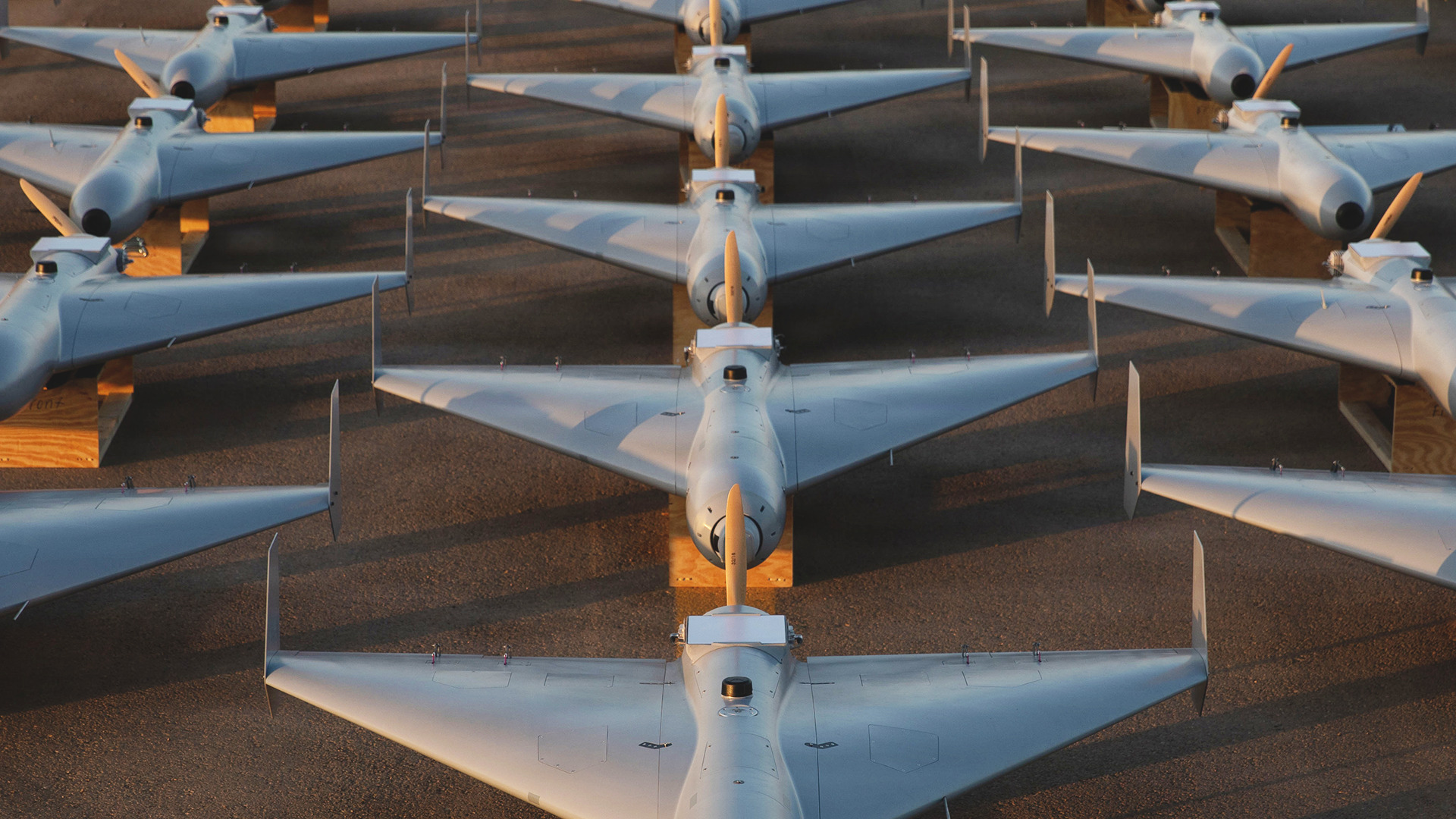
U.S. Central Command (CENTCOM) commander Admiral Brad Cooper has categorically endorsed the effectiveness of LUCAS Kamikaze drones, labeling them 'indispensable' in countering Iranian aggression. This endorsement comes amid heightened tensions in the region, particularly involving Iran’s use of drones in military operations, signaling a critical pivot in warfare strategy against Tehran.
The LUCAS drones are reportedly clones of Iran's Shahed-136, which have been deployed effectively in proxy conflicts to carry out strikes. Their performance in recent military engagements has drawn significant attention, as U.S. forces engage more directly with Iranian-backed groups across the Middle East. The history of drone development and utilization by both U.S. and Iranian forces sets the stage for this current evaluation, framing the LUCAS as a pivotal tool in an increasingly complex theater of war.
The strategic significance of the LUCAS drones extends beyond mere technological capability; their integration into U.S. military operations exposes vulnerabilities in Iran’s defense mechanisms and foreshadows potential power shifts in the region. As drone warfare becomes commonplace, the balance of power may shift towards nations that can effectively deploy and counter these unmanned systems, causing neighboring states to reevaluate their military strategies.
Key actors in this situation include the U.S. military, which seeks to neutralize Iran's asymmetric warfare advantages, and Iran, which aims to maintain its regional influence through drone technology. The U.S. has long viewed Iranian drone development as a significant threat, prompting a rapid development strategy of its own to match or exceed Iranian capabilities, thus highlighting the escalating arms race.
LUCAS drones are equipped with advanced targeting systems and can operate autonomously, significantly reducing the risk to U.S. personnel while striking targets with high precision. Their similarity to the Iranian Shahed-136 emphasizes a growing trend in drone proliferation, where strategic military assets are cloned and adapted from enemy technology. The operational readiness and anticipated deployments suggest a budget allocation that prioritizes anti-drone defense mechanisms and advanced drone warfare capabilities.
The introduction of LUCAS drones into the operational environment is likely to exacerbate tensions with Iran, potentially triggering retaliatory drone strikes or asymmetric responses from Tehran. As U.S. forces leverage these assets, the region could see a rise in drone confrontations, underlining an unstable security landscape and escalating military engagements.
Historical precedents such as the U.S.'s use of UAVs in the War on Terror highlight parallels in this context. The drawdown of traditional troop deployments coupled with an increase in drone warfare should not be underestimated, as this trend signals a transformation in conflict dynamics, often leading to protracted engagements without clear resolutions.
Looking ahead, the immediate indicators of escalation will be Iranian responses to U.S. drone capabilities and any movement towards retaliatory drone development. Analysts should monitor Iranian intelligence operations and military drills that may signal a shift in their strategic posture, as the introduction of advanced U.S. drone technologies could provoke a renewed arms race in the region.