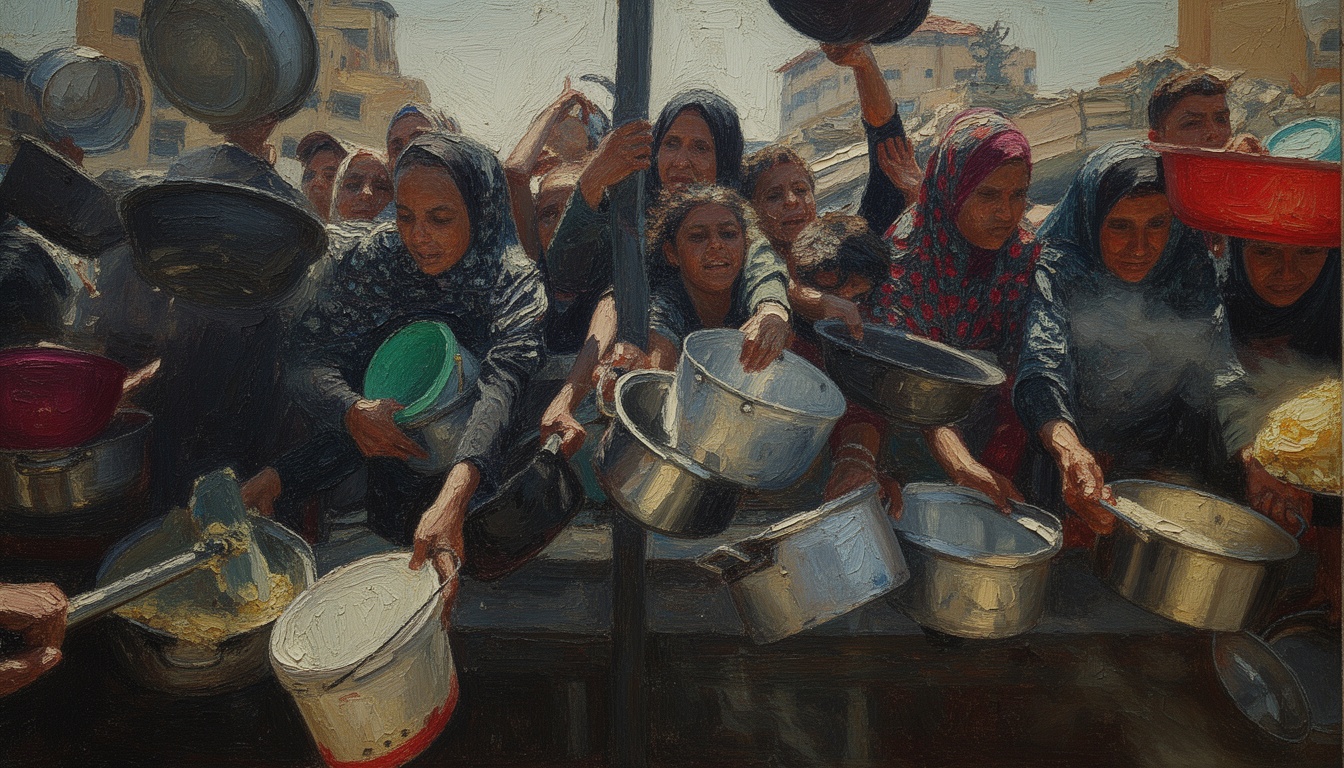
UN: Gaza women and girls account for vast toll of Oct 2023 onward
UN Women analysis indicates Israeli strikes in Gaza have killed more than 38,000 women and girls since October 2023. Palestinian authorities put total Gaza deaths at over 71,000 by end-2025, rising to 72,000 by mid-April amid sporadic attacks despite a Hamas ceasefire. The report suggests women and girls represent a significant share of victims in the conflict’s latest phase.
The UN says Israeli attacks in Gaza have killed more than 38,000 women and girls from October 2023 through the end of 2025. The figure comes from an analysis by UN Women, published in a Friday report. Palestinian health authorities, meanwhile, logged overall deaths in Gaza at just over 71,000 by the end of 2025, climbing to more than 72,000 by mid-April as fighting persisted despite a ceasefire with Hamas.
The UN Women analysis emphasizes that women and girls comprise a large portion of the casualties in Gaza’s latest cycle of violence. It highlights how displacement, limited access to healthcare, and ongoing shelling magnify risks for female civilians. The report situates women’s deaths within the broader context of a protracted humanitarian crisis and mounting infrastructure damage across the territory.
Strategically, the casualty pattern reinforces the scale of human suffering and the potential impact on Gaza’s social fabric, fertility, and long-term demographic stability. The data also intersects with international concern over accountability and the ability of aid actors to reach affected communities. For regional power dynamics, the toll among women and girls complicates any quick political resolution and sharpens calls for durable relief mechanisms.
Technical details show the death tolls are aggregated by health authorities and UN agencies, with ongoing verification challenges in conflict zones. The women-and-girls figures are embedded in broader mortality counts that include civilians and combatants. Observers caution that data during active hostilities often undercounts or lags due to access constraints and reporting gaps. The forward-looking assessment warns that returns to stability will hinge on a credible ceasefire, predictable humanitarian access, and sustained international pressure to protect civilians.
Looking ahead, the UN Women analysis implies that any future escalation could disproportionately affect women, girls, and families in Gaza. Humanitarian corridors, gender-responsive aid, and protection measures will be critical to mitigating the heightened vulnerabilities exposed by the latest phase of the conflict. Analysts expect that the intersection of demographic impact and security policy will continue to shape international diplomacy and regional deterrence calculations.