UN Chief Downplays Crisis as Israel-Hezbollah War Escalates
UN Secretary-General Antonio Guterres' claims of diplomatic solutions obscure the escalating military conflict between Israel and Hezbollah. The involvement of Iran signals a volatile power struggle that threatens regional stability and global security interests.
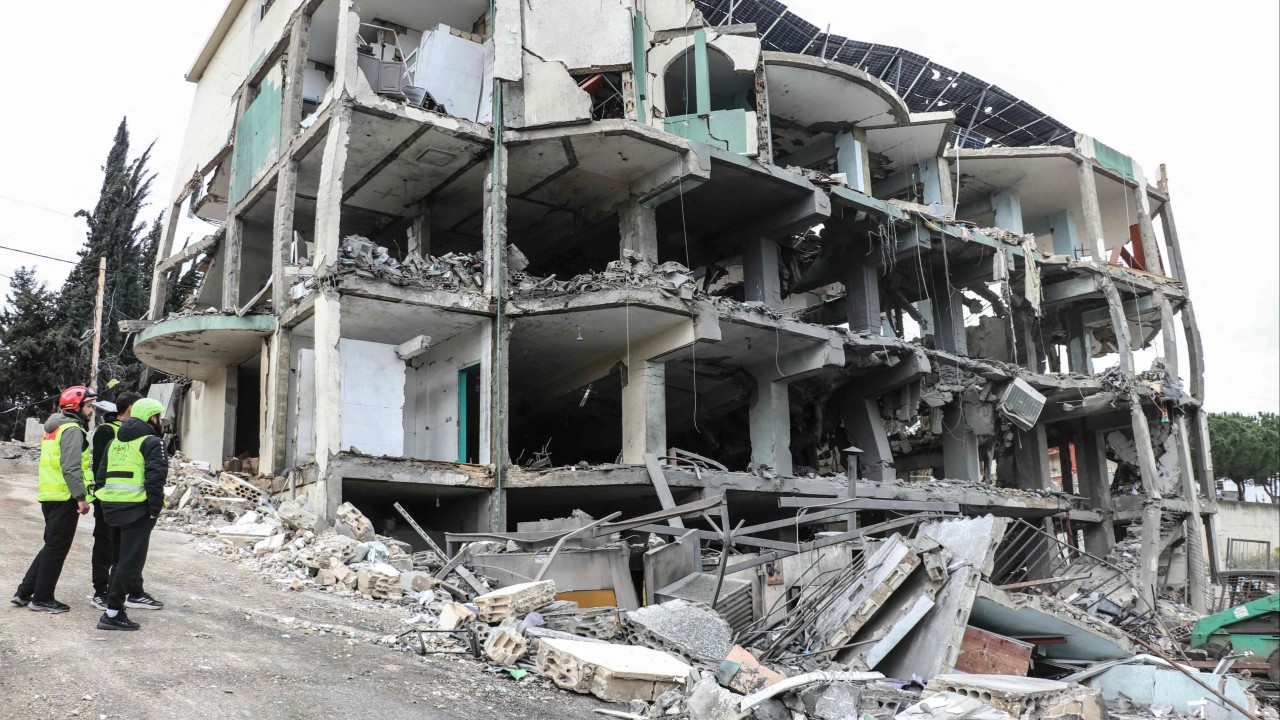
UN Secretary-General Antonio Guterres recently declared that 'diplomatic avenues are available' to resolve the escalating conflict between Israel and Iran-backed Hezbollah. Though intended to provide reassurance, this statement glosses over the rapidly deteriorating situation where military engagements have intensified, claiming civilian lives and sparking fears of wider regional involvement. The urgency is palpable, with both Israel and Hezbollah escalating their operations as regional tensions approach a boiling point.
The current Israel-Hezbollah conflict has deep historical roots, reigniting long-standing animosities tied to territorial disputes, sectarian divides, and proxy warfare in the Middle East. Following the 2006 Lebanon War, tensions remained high, but sporadic exchanges and skirmishes have surged recently as Hezbollah has increasingly mobilized forces under Iranian direction. The political landscape in Lebanon has further deteriorated, leaving the country vulnerable and embroiled in a crisis that places both its sovereignty and its populace at grave risk.
This situation is significant on multiple fronts. Firstly, it highlights the profound security risks posed by Iran's proxy forces in Lebanon, which stand poised to destabilize the already fragile regional balance. The war not only threatens Lebanese civilians, but also has the potential to drag in other nations, increasing the risk of a wider conflict encompassing Israel, Hezbollah, and Iranian forces—each of whom possess advanced capabilities that could lead to catastrophic consequences.
The primary actors in this crisis—Israel, Hezbollah, and Iran—are operating with differing agendas. Israel’s main goal is to neutralize Hezbollah’s military capabilities, including precise missile systems and drone technologies, which pose a direct threat to Israeli territory. Conversely, Hezbollah aims to assert its strength and relevance within Lebanese politics and the broader Iranian strategy of resistance against Israel. Guterres's call for diplomacy seems detached from these realities, as the combatants are deeply entrenched in their respective positions.
Technical details reveal the scale of this crisis: Israeli airstrikes in southern Lebanon have targeted Hezbollah positions, leading to casualties reportedly in the hundreds, while Hezbollah's retaliatory tactics include the deployment of advanced missile systems capable of striking deep within Israel’s territory. The financial implications are staggering as well; both sides have invested heavily in military capabilities, further entwining regional economies with the ongoing conflict, and elevating international stakes as global powers take sides.
The consequences of this escalation are likely to be multifaceted. Localized conflict could spill over into broader regional unrest, exposing Lebanon to greater humanitarian crises while straining the already fragile international alliances attempting to maintain some semblance of order. The current cycle of violence may also provoke a recalibration of military postures among Gulf states and Iran, influencing broader geopolitical dynamics in the Middle East.
Historically, this crisis recalls the Lebanese Civil War and the extensive Iranian involvement during that period. Lessons from the past indicate the challenges of achieving a sustainable peace when entrenched interests clash, and the ramifications of such conflicts often extend well beyond national borders, destabilizing entire regions in the process. The international community must take heed as history may repeat itself amid rising tensions.
In terms of future developments, key indicators to monitor include potential military escalations by Israel or Hezbollah, shifts in Iranian support, and the responses from major global powers. Watch for any changes in ceasefire initiatives or calls for emergency meetings at the United Nations. The next weeks could prove pivotal in determining the trajectory of this conflict, potentially redefining regional alliances and security frameworks.