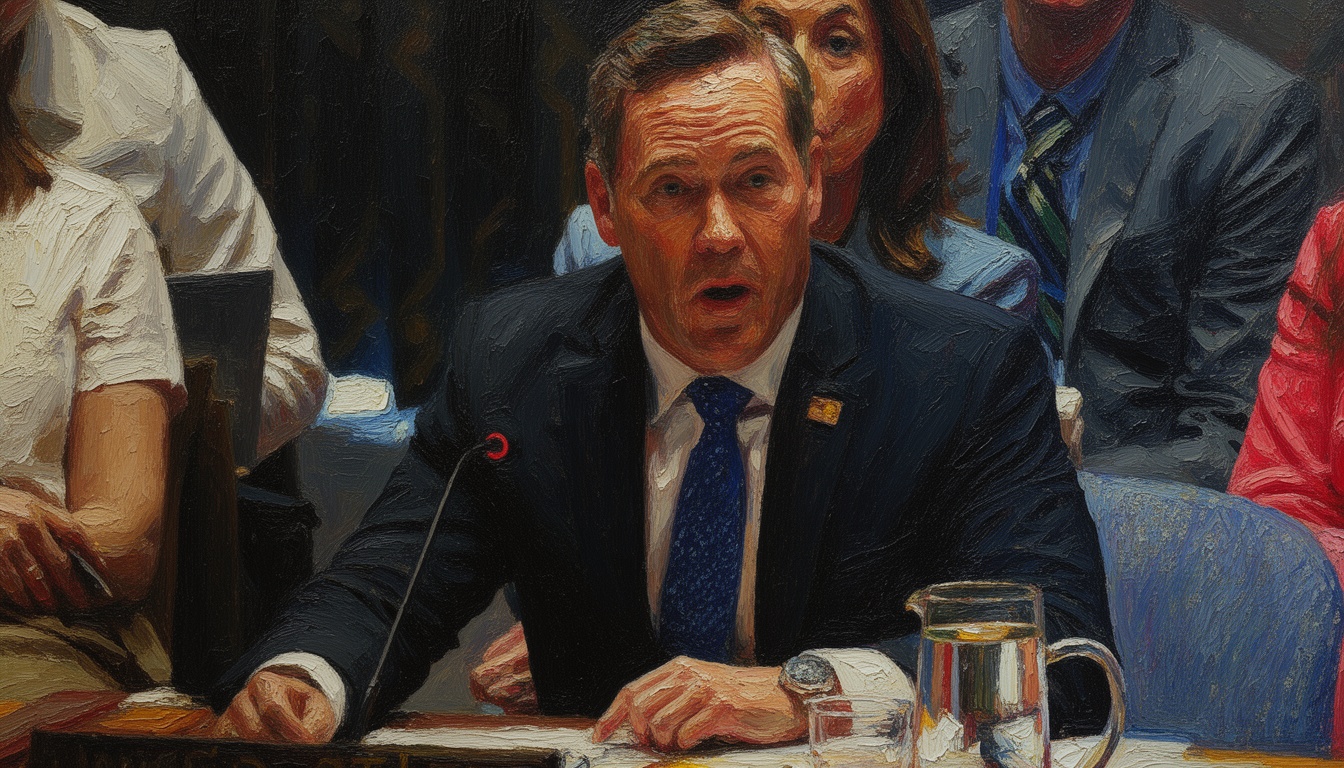
UN Budget Cuts Touted as 'America First' in Senate Hearing
US envoys to the UN used Senate testimony to showcase $570 million in budget cuts, 3,000 fewer UN jobs, and withdrawals from several agencies. They framed the efficiency drive as a necessary reform, while criticizing the UN’s failure to end the Ukraine conflict, deter Iran’s regional ambitions, and curb China’s rising influence. The hearing underscored Washington’s preference for selective engagement and budget discipline over multilateral diplomacy.
The hearing opened with a blunt tally of US-led savings at the United Nations: $570 million in annual budget reductions and a workforce reduction of about 3,000 positions. The US delegates framed these steps as a forcible shift toward efficiency and belt-tightening, arguing that the UN must adapt to a leaner, more results-oriented model. They emphasized Washington’s willingness to withdraw from several UN agencies if reform stalls or if costs outweigh strategic value. Across the table, critics pressed the United States to maintain funding for peacekeeping and humanitarian programs, arguing that cuts undercut global stability.
Background context showed that the cuts come as part of a larger US effort to recalibrate international institutions toward American strategic priorities. Washington contends that many UN programs have drifted from core security and development goals, while critics warn that scale-backs threaten the organization’s operational capacity in crisis zones. The debate reflects a broader strain in US diplomacy: the tension between national prowess and global governance. The senators pressed for evidence that savings translate into tangible results on the ground, particularly in Ukraine and the Middle East.
Strategic significance centers on how Washington’s financial posture shapes international deterrence and alliance cohesion. If UN reform stalls, countries may look to alternative multilateral forums or regional blocs for legitimacy and support. The spending choices also signal how the United States intends to balance disbursements against new or ongoing security challenges, including Russian aggression, Iran’s regional activities, and China’s rising diplomatic and economic clout. The rhetoric signals a shift toward resilience and prioritization of high-value programs over broad, unfocused funding.
Operational details highlighted by the envoys included the specific budget line items cut, the exact number of positions reduced, and the agencies from which Washington plans to withdraw. The administration asserted these steps were carefully calibrated to preserve core peace and security mandates while stripping away duplicative or non-essential functions. They framed the changes as consistent with a modern geographic and strategic calculus, aimed at preserving US influence while preventing budgetary creep in international bodies. Observers expect a high-stakes negotiation over which agencies survive a tightened US exposure and how real-world impact will be measured.
Forward assessment suggests two likely trajectories: either a negotiated path toward deeper UN reform with continued US funding tied to verifiable outcomes, or a reassessment of US participation in certain UN organs, accompanied by renewed bilateral or regional arrangements. The timing coincides with heightened attention to Ukraine’s war dynamics, Iran’s regional posture, and China’s expansion across security and economic domains. Washington’s posture will test allied unity on financial commitments and will shape the perception of US resolve in defending the liberal international order.