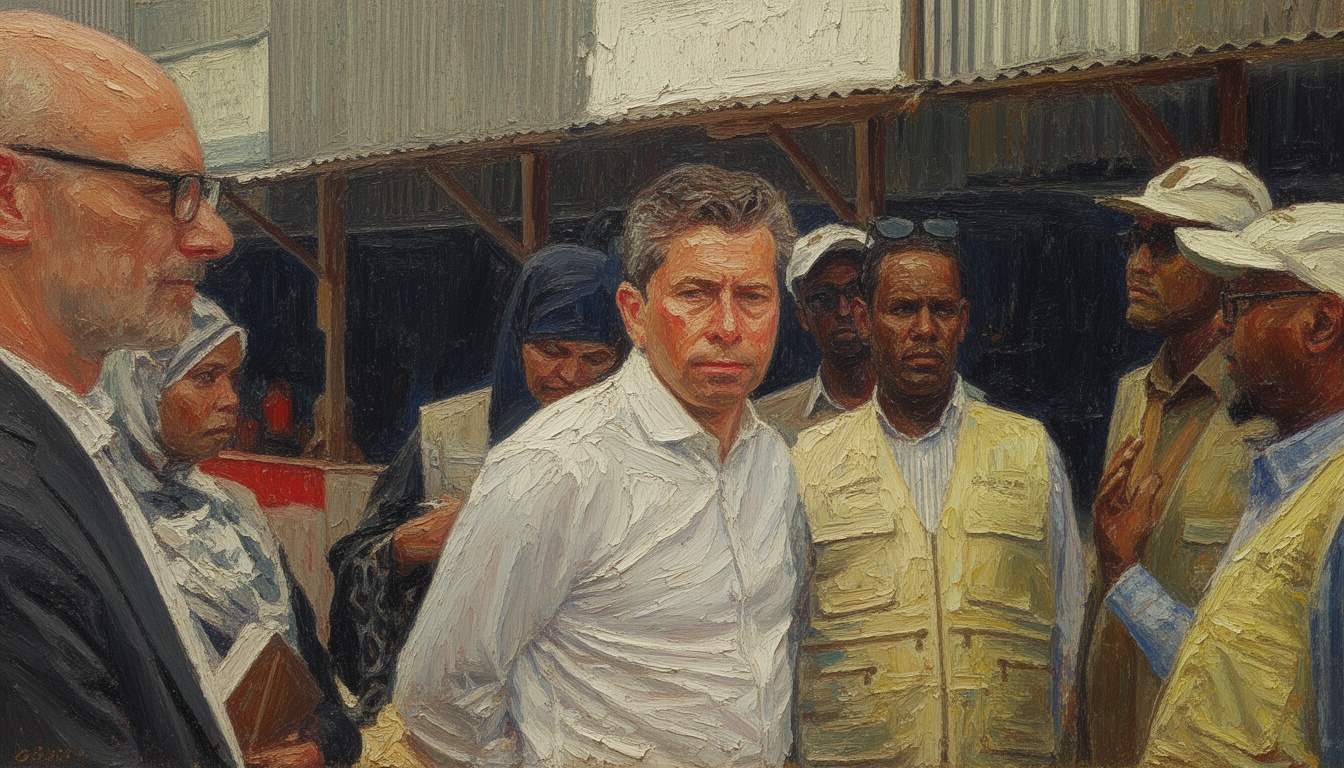
UN Aid Chief Criticizes US Military Actions Affecting Somalia
The UN relief coordinator highlights the adverse effects of US operations on Somalia, linking regional instability to international military actions.
The UN relief coordinator has condemned US military operations in Iran, claiming they have escalated the humanitarian crisis in Somalia. During his recent visit to the Somali region, he emphasized that the consequences of global military engagements are felt far beyond their immediate theaters, stating that the ongoing war has worsened the already dire conditions in Somalia.
Somalia has faced chronic instability for decades, struggling with conflict, drought, and famine. This compounded crisis has drawn international humanitarian aid, yet the latest comments suggest that these efforts are being undermined by broader geopolitical conflicts. The relief coordinator has stressed the importance of addressing these root causes to tackle the ongoing humanitarian challenges effectively.
The strategic significance lies in the growing interconnection between regional conflicts and global military actions. As countries engage in conflicts elsewhere, such as the US involvement in Iran, nations like Somalia suffer indirect consequences. This dynamic shifts critical resources away from frontline humanitarian needs, threatening to exacerbate already precarious situations in fragile states.
Operationally, Somalia's situation is complicated by factors including local insurgency, piracy, and humanitarian blockades. Increased military actions in the Middle East complicate the security landscape in the Horn of Africa, leading to higher displacement rates and decreased access to essential services for the Somali population. Humanitarian organizations face greater challenges in delivering aid, as instability continues to fluctuate due to these external pressures.
In terms of likely consequences, the UN coordinator's remarks underscore a warning about the cyclical nature of conflict and humanitarian crises. Without addressing the impacts of international military engagements on vulnerable regions, the international community risks perpetuating a cycle of instability. Efforts must be intensified not only to provide immediate aid but also to engage diplomatically in reducing military tensions elsewhere, which inevitably affect global security landscapes and humanitarian outcomes.