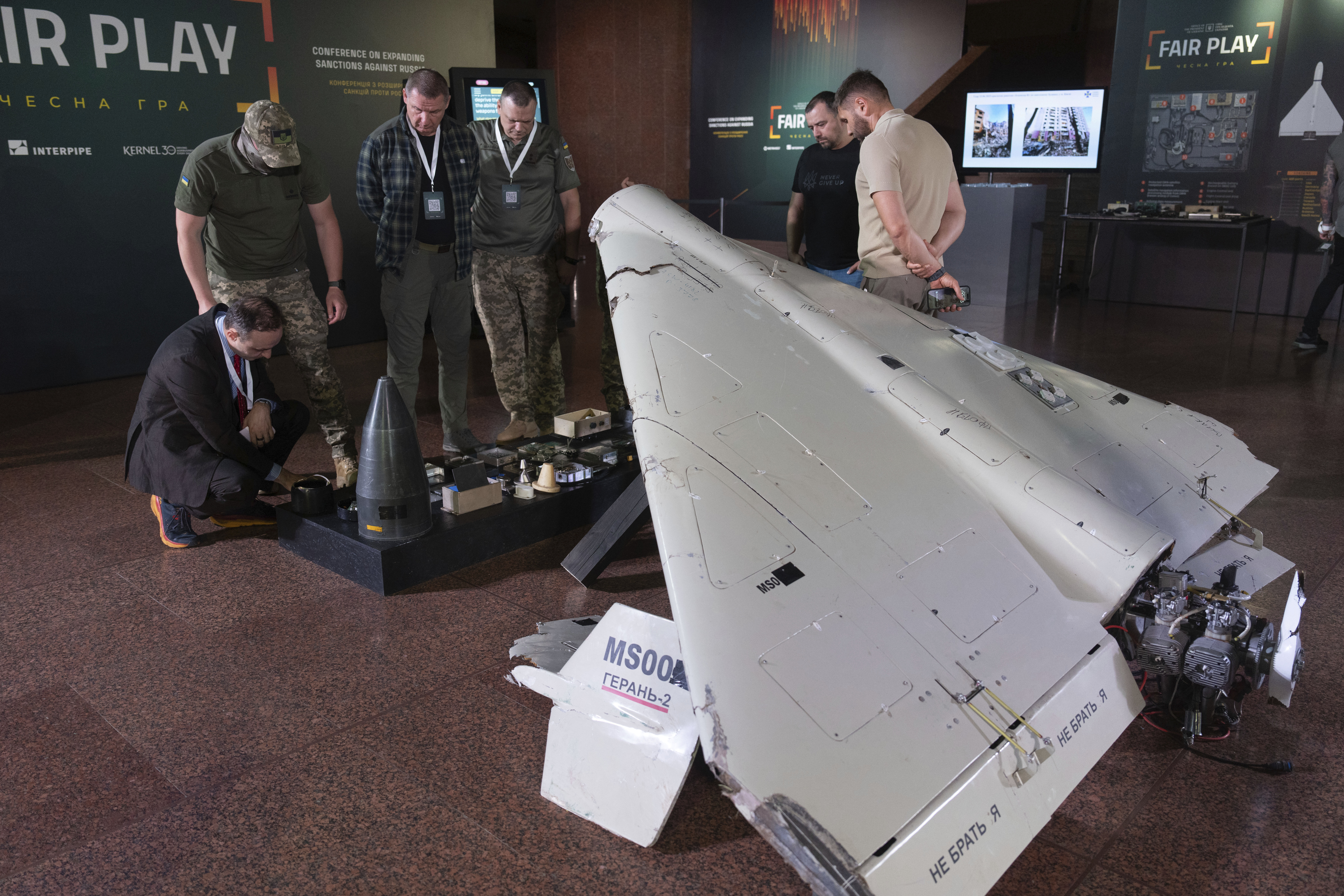
Ukrainian Drone Commanders to Brief US Leaders on Warfront Lessons
Ukrainian drone commanders' trip to Washington signals urgent lessons on modern warfare. Their insights could shape Western military strategy amid ongoing conflict with Russia.
Ukrainian military leaders specializing in drone warfare are set to visit Washington later this month to share insights from the frontlines of their protracted conflict with Russia. This mission follows significant developments in drone operations, where Ukrainian forces have had measurable success against Russian armored divisions and supply chains. The meeting marks a critical juncture for U.S. and allied military strategies in a conflict that has broader implications for global security dynamics.
Historically, Ukraine has faced overwhelming odds since Russia's initial invasion in 2014, but the ongoing war has highlighted the transformative role of drone technology in modern combat. Initially reliant on conventional tactics, Ukraine has shifted towards sophisticated drone applications—both reconnaissance and strike—demonstrating how such systems can alter the battlefield landscape. The success of Ukraine's drone units, particularly the 79th Air Assault Brigade and the 93rd Mechanized Brigade, has been pivotal in countering Russian advances.
This visit by top Ukrainian drone operators is significant, especially as Western nations grapple with increasing aggression from Russia and its allies. The insights gained from these commanders could influence military funding, operational tactics, and the development of new defense doctrines among NATO countries, particularly as they reconcile their own drone capabilities with the lessons outlined in the Ukrainian experience. The discussion raises critical questions about how Western nations are preparing for a future where drone warfare becomes the norm.
Key players on the Ukrainian side, such as Colonel Oleksandr Turchynov and Major Roman Shaposhnyk, aim to explain the tactical advantages and limitations of drone warfare against a larger, conventional army. Their testimony is expected to underline not just the operational successes but also the gaps and vulnerabilities in drone-centric operations, especially concerning electronic warfare and anti-drone measures employed by Russia. With Russia escalating its military support, including advanced missile systems, Ukraine's insights could help expose critical flaws in Russian tactics.
Operationally, the nature of modern warfare has shifted dramatically, with Ukraine's drone fleet consisting of thousands of UAVs, some of which include the Turkish-made Bayraktar TB2 and homemade systems. This has allowed them to conduct effective long-range strikes and gather intelligence miles behind enemy lines. The increased focus on drones has already led to shifts in the budgets of NATO countries, with projected increases in drone-related expenditures expected to reach upwards of $15 billion across the alliance by 2025.
The likely consequences of such briefings may further entrench the U.S. commitment to support Ukraine, leading to escalated military aid and advanced technology transfers. Enhanced drone capabilities could reshape Ukraine's operational performance in its ongoing struggle, potentially offering shifts in the balance of regional power if Ukraine can maintain its momentum against Russian forces. The intelligence shared could also spark increased interest in drone technology among other countries confronting similar threats.
Historically, parallels can be drawn to the advancements seen during the Gulf War in 1991, where the United States leveraged air power effectively against Iraq. Just as extensive drone usage was initially met with skepticism, the evolving conflict in Ukraine demonstrates a paradigm shift where drone operations are now viewed as essential for survival and operational success in warfare.
Looking ahead, the upcoming meetings will likely focus on operational lessons regarding the integration of drones into existing military frameworks. Observers should watch for any shifts in U.S. policy regarding military aid, particularly in the context of drone technology, as well as increased collaboration between Ukrainian and American forces. Key intelligence indicators regarding drone expenditures and new developmental projects will be critical for understanding future warfare trends globally.