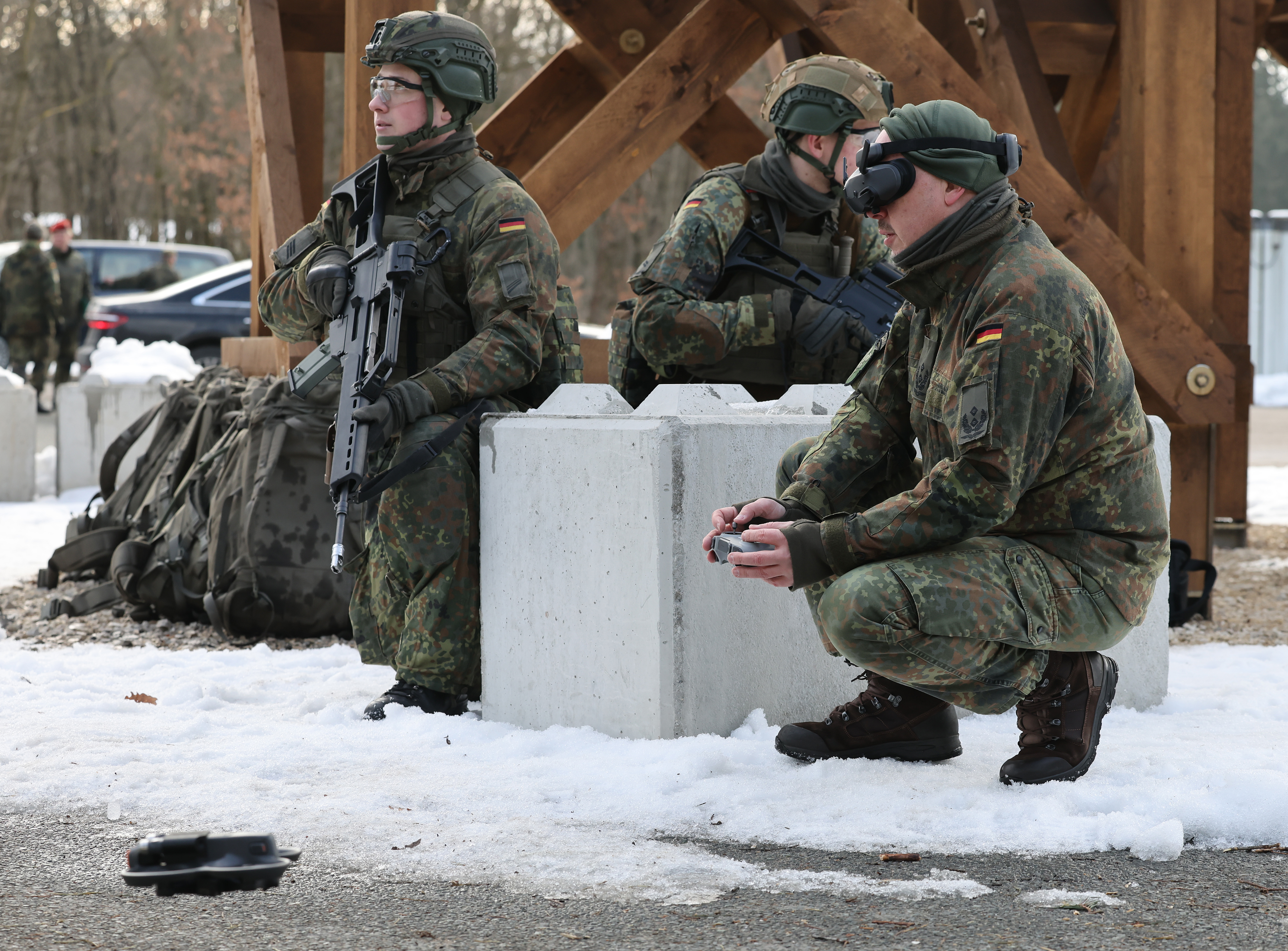
Ukrainian Advisors Train German Army for Modern Warfare Ahead of 2029 Deadline
Ukraine’s military expertise will influence German forces, highlighting shifting power dynamics. This development underscores Western vulnerabilities as the balance of military training roles flips dramatically.
In a surprising turn of events, Ukrainian military advisors will be tasked with teaching the German army to conduct modern warfare, with a deadline set for 2029. This announcement marks a drastic role reversal, as for years, Western nations—particularly Germany—have been the ones training Ukrainian forces in response to Russian aggression. The implications of this shift in military training dynamics are profound, as it signals a growing recognition of Ukraine's battlefield experience and strategic acumen.
Historically, Ukraine's military capabilities have evolved significantly since the onset of the Russo-Ukrainian conflict in 2014, where they faced initial setbacks against a more powerful Russian military. Over the years, extensive military aid and training from NATO members have transformed Ukraine into an adept fighting force capable of executing complex operations. The ongoing conflict has not only tested Ukraine’s military strategies but also provided invaluable lessons that can be leveraged by other nations, particularly Germany, which has faced criticism for its military readiness and response capabilities.
The significance of this collaboration cannot be overstated, as it highlights a critical shift in military confidence and strategic thought in NATO. Germany, one of Europe’s largest military powers, has struggled to modernize its forces post-World War II, often lagging behind in operational effectiveness. As Ukraine takes on a teaching role, it underscores the urgency for NATO countries to adapt to new warfare paradigms and counteract growing threats from adversaries like Russia, which continuously seeks to exploit weaknesses in Western defense strategies.
Key actors in this unfolding scenario include the Ukrainian Ministry of Defense, which recognizes the opportunity to influence Western military strategies, and the German military establishment, still recovering from numerous operational shortcomings. The training initiative reflects Germany’s acknowledgment of its own military deficiencies and desire to modernize rock-solid defense protocols by learning from Ukraine's hard-won expertise on the frontlines. Therefore, this arrangement can be seen as a means for Germany to regain operational credibility while also fortifying European security against Russian expansionism.
From a technical standpoint, one of the primary focuses for the German army is expected to be enhanced cyber warfare capabilities, critical drone operations, and combined arms tactics that Ukraine has employed successfully against Russian forces. With Germany investing significantly—about €100 billion—in military modernization, this collaboration aims to overhaul the German army’s approach to warfare while effectively responding to contemporary threats, specifically in the context of NATO’s collective defense strategy.
The consequences of this shift could be substantial. If Ukraine successfully imparts its lessons in modern warfare to the German military, it could lead to a more cohesive and capable EU defense front, capable of countering aggressive behavior from Russia and other geopolitical adversaries. Furthermore, this partnership may embolden other nations to seek military insights from Ukraine, potentially shifting the balance of influence within NATO and raising concerns for adversaries like Russia and China.
Historically, this situation echoes past instances where military roles have shifted, such as when Vietnam trained Cambodian forces following their own civil war, or how South Korean forces have sought counsel from veterans of their own conflicts. The unique aspect of the current situation is that it’s occurring within the framework of a live conflict, where the stakes of military efficacy are higher than ever.
Looking forward, key indicators to monitor will include how quickly Germany adapts to these new military paradigms and whether other NATO countries decide to follow suit. Additionally, the effectiveness of the training programs will likely emerge in future joint exercises and operational deployments. Intelligence assessments should focus on tracking changes in German military capabilities and any potential reactions from Russia as it observes a growing partnership between these two nations on strategic military matters.