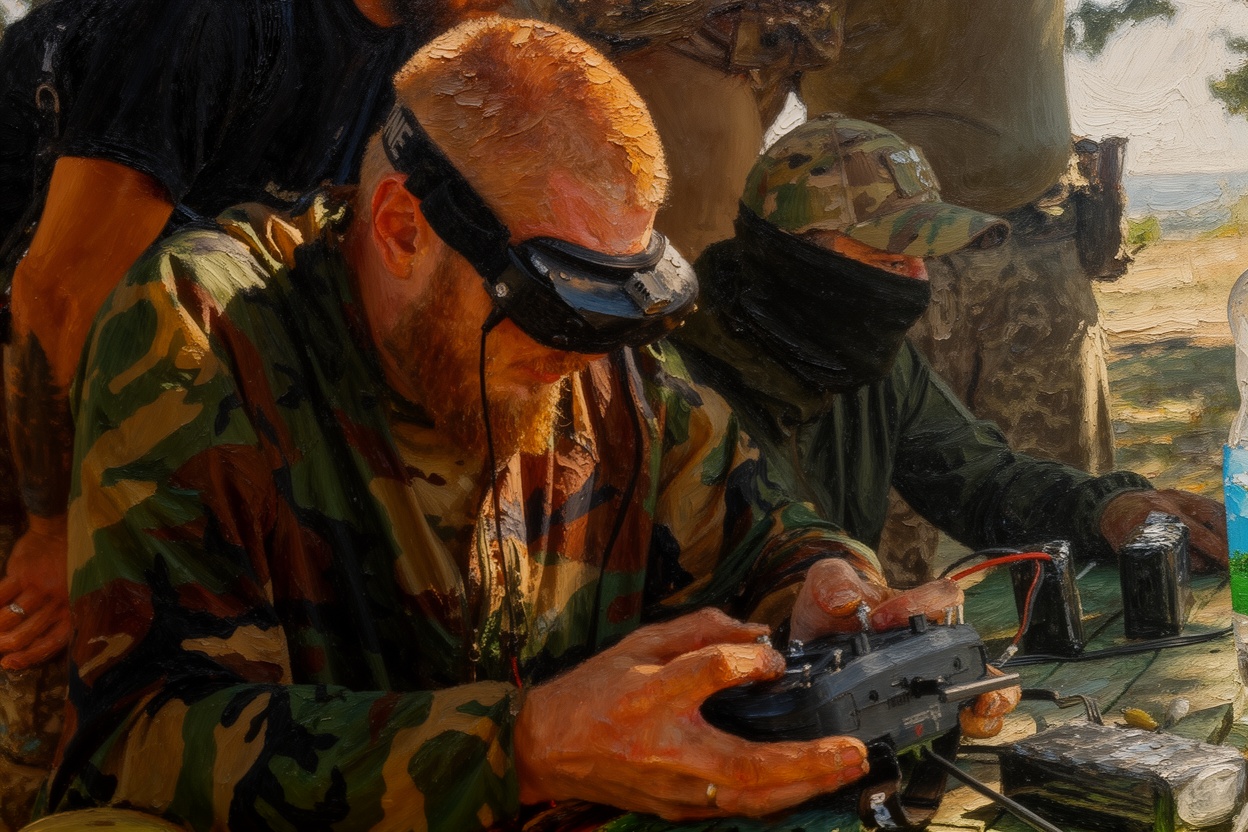
Ukraine’s Battlefield Integration Surpasses US Military's Capability
U.S. Army Secretary Dan Driscoll claims that Ukraine's integration of battlefield networks has outpaced that of the United States, highlighting strategic implications for U.S. military modernization and adaptability.
U.S. Army Secretary Dan Driscoll has informed lawmakers that Ukraine's battlefield network integration has surpassed that of the United States. According to Driscoll, the rapid adoption and utilization of technology in the Ukrainian military has created a superior model for operational integration. As a consequence, the Pentagon is facing pressure to enhance its own networking capabilities to remain competitive on the field.
Historically, Ukraine has employed a range of innovative strategies to integrate joint operations effectively, particularly during the ongoing conflict with Russia. This integration involves the seamless coordination of various units, including infantry, artillery, and intelligence assets. Driscoll noted that the swift adaptation of these practices by Ukraine presents a compelling case for the U.S. Army to reassess its current operational frameworks.
The strategic significance of this development cannot be understated. With the evolving nature of modern warfare, effective communication and coordination among military units are essential for operational success. If the U.S. fails to adapt and improve its integration capabilities, it risks falling behind in a rapidly changing global military landscape.
In terms of technical specifications, Ukraine has reportedly leveraged advanced communication systems that facilitate real-time data sharing across all military branches. This includes enhanced drone technology for reconnaissance and strike capabilities that have outperformed traditional methods used by U.S. forces.
Looking ahead, if the U.S. military does not accelerate its efforts to modernize and integrate battlefield networks, the potential consequences could be severe. The adaptation of successful strategies observed in Ukraine could lead to reconsideration of U.S. military doctrine and investment priorities, ensuring that American forces maintain their strategic edge in future conflicts.