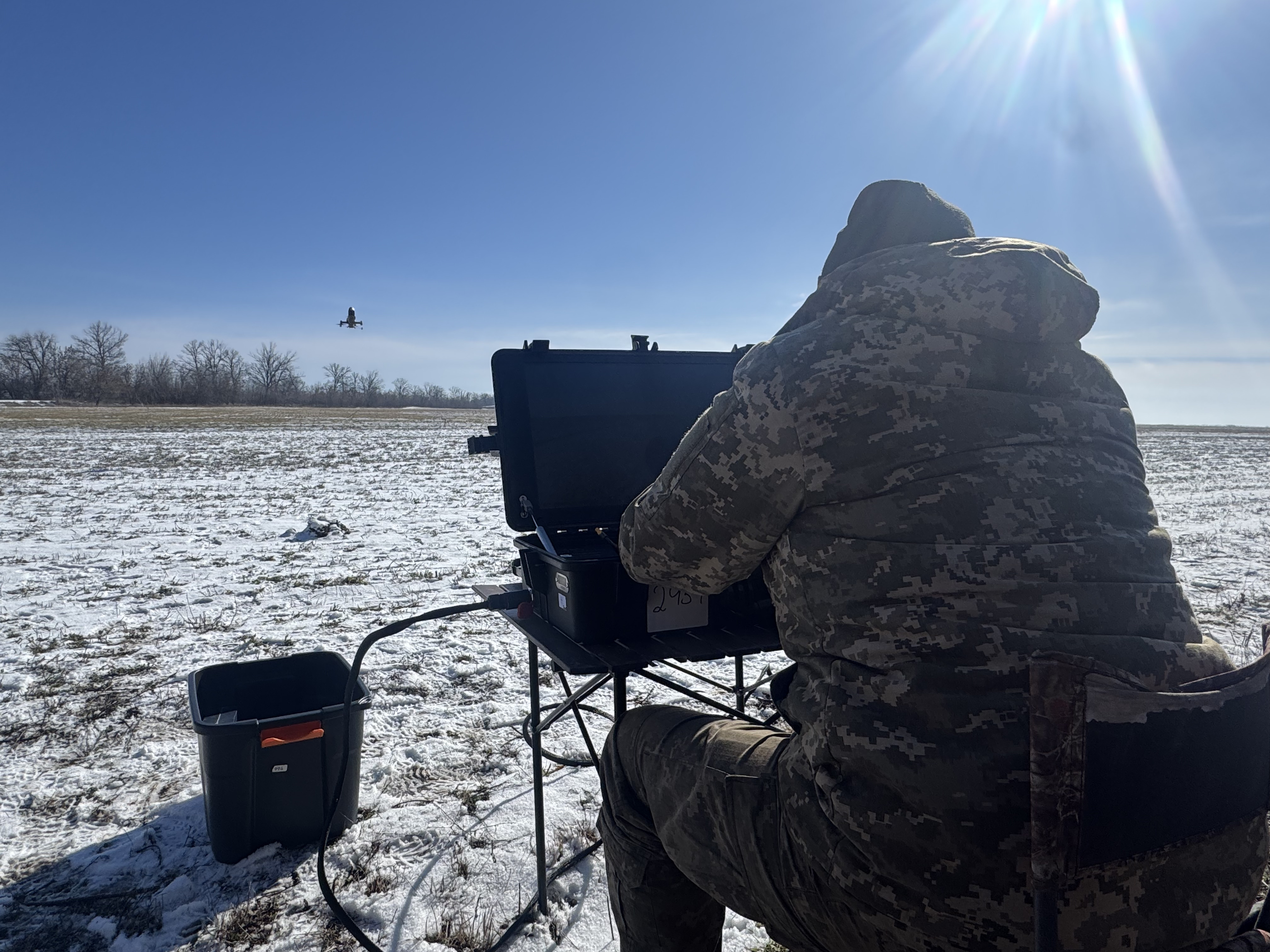
Ukraine's Air Defense Faces Threats as AI Interceptors Lag Behind
The stagnation of AI development in Ukraine's drone interception highlights vulnerabilities in their air defense strategy. Without advanced technology, Ukraine's ability to mitigate aerial threats is severely compromised.
Ukraine's air defense is on the brink of crisis as it relies on outdated interception methods, primarily manual ramming and close-in detonation, instead of developing advanced artificial intelligence systems. Despite the urgency of the ongoing conflict with Russia, Ukrainian forces have yet to integrate AI technology into their interception missions. This reliance on rudimentary tactics poses significant risks as Russian aerial capabilities continue to evolve.
Historically, Ukraine's air defense has faced myriad challenges, particularly since the onset of the Russo-Ukrainian War in 2014. Initially equipped with Soviet-era systems, Ukraine has sought Western assistance and technology upgrades, but the pace of modernization remains insufficient against the backdrop of the ongoing conflict. As Russia ramps up its aerial operations, including drone attacks on Ukrainian cities, the urgency for advanced interception methods becomes critical.
The significance of this development cannot be overstated. Without the integration of AI and advanced interception technology, Ukraine's defense against aerial threats remains severely hampered, exposing the country to increased risk of casualties and infrastructure destruction. As Russian drone capabilities expand and evolve, Ukraine risks losing critical airspace and its ability to conduct effective countermeasures, undermining its overall military strategy.
Key players, such as the Ukrainian government and military leaders, have emphasized the need for foreign assistance while grappling with domestic resource limitations and technological constraints. However, the failure to implement AI-driven solutions reveals deeper challenges in adaptation and procurement, as Ukraine competes against a more technologically advanced adversary. The disconnect between political rhetoric and operational realities further complicates Ukraine's defense posture.
Operationally, the current interception methods, while workable, lack scalability and effectiveness against the volume of threats posed by Russian drone swarms and advanced munitions. Manual interception techniques do not allow for timely response to multiple targets, raising significant concerns about the battlefield sustainability of current air defense systems. Furthermore, the lack of technological integration significantly hinders Ukraine's defense spending efficiency and operational readiness.
The likely consequences of this stagnation could result in escalating casualties and territory loss. As Russia continues to enhance its aerial toolkit, including the use of kamikaze drones and long-range missile systems, Ukraine's inability to respond effectively raises the prospect of more aggressive aerial campaigns by Moscow. An unaddressed weakness in air defense could prompt shifts in ground troop deployments and overall strategic focus.
Historically, similar technological stagnations have led to grave consequences for militaries involved in prolonged conflicts. For instance, the early years of the Syrian Civil War saw considerable losses for the U.S.-backed Free Syrian Army due to a failure to modernize its equipment in the face of advanced Russian airstrikes. Ukrainian forces may find themselves in a comparable predicament without decisive strategic reforms.
Moving forward, it is crucial to monitor Ukraine's defense procurement processes and foreign assistance developments. Key indicators will include any announcements regarding AI integration into military operations, procurement of more advanced interception technology, or improvements in operational tactics to counter aerial threats. These shifts will determine Ukraine's capability to sustain its defense posture against Russian aerial maneuvers and may foreshadow further escalations in the conflict.