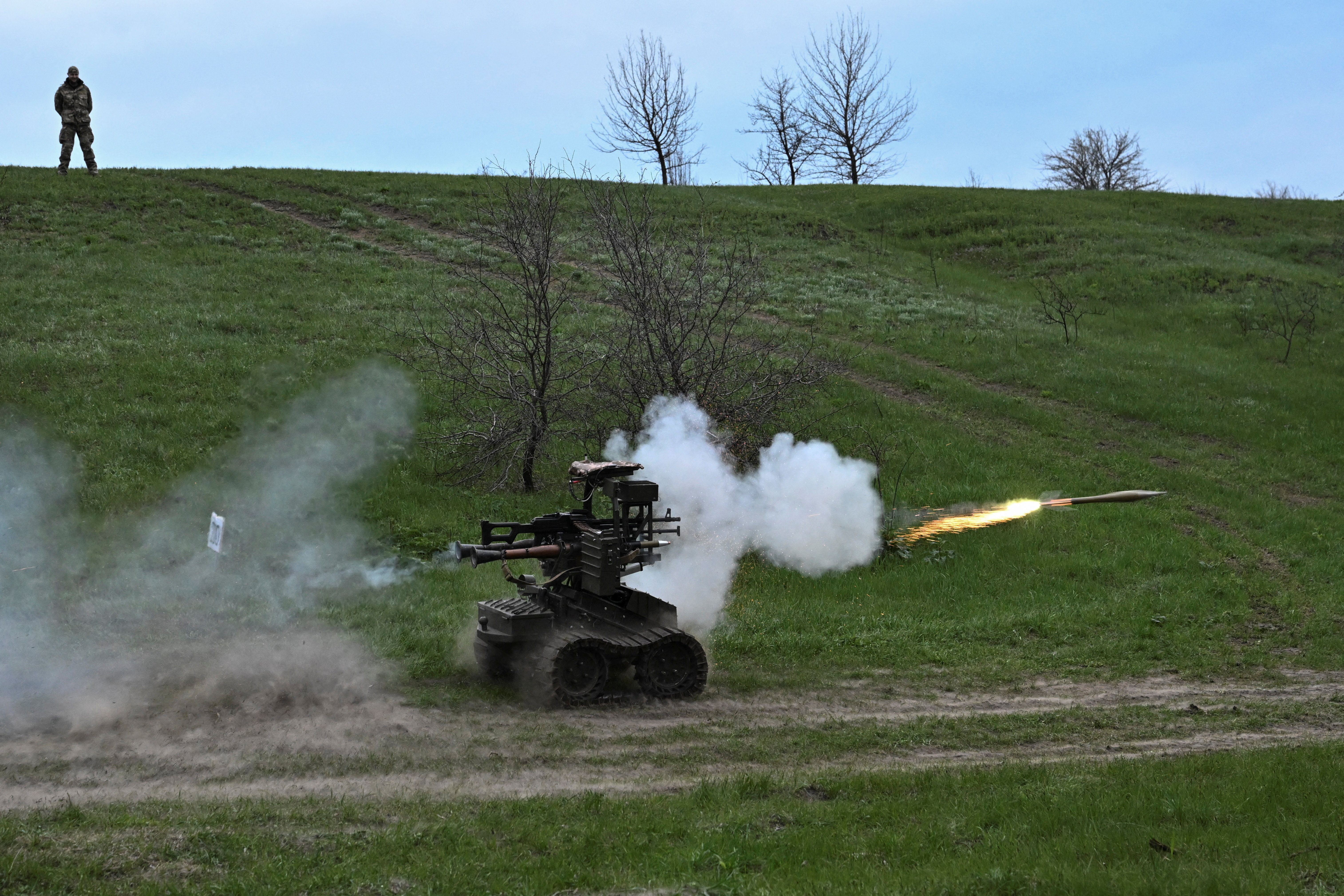
Ukraine to field 25,000 ground robots to replace soldiers in frontline logistics
Ukraine announces a major pivot to autonomous ground robotics for frontline logistics, aiming to reduce human exposure and accelerate resupply in contested areas. The plan follows a surge in robotic missions and a notable battlefield milestone last summer. Experts warn the shift will redefine logistics warfare and require robust command-and-control and cyber resilience. The move signals a new phase in mechanized support for combat operations across contested fronts.
Ukraine plans to deploy 25,000 ground robots to shoulder frontline logistics tasks, replacing large swathes of human labor in dangerous supply runs. This initiative aims to accelerate ammunition, fuel, and materiel delivery while reducing casualties among support troops manning exposed convoys. The robotic fleet is part of a broader push to harden the frontline logistics chain against interdiction, spoofing, and environmental hazards. If scaled, the program could recalibrate how armies sustain combat power in high-threat environments.
Background context shows Ukraine increasingly relies on autonomous systems as part of a broader modernization drive amid sustained conflict. Ground robotics first gained prominence in reconnaissance and casualty evacuation, then migrated toward load-handling and convoy support in contested sectors. The March escalation in robot activity marks a sharp uptick in autonomous throughput for supply lines; the growth reflects both technological maturation and the urgency of maintaining momentum on the front. Analysts note the shift aligns with patterns seen in other modern warfare theaters where logistics become a contested domain.
Strategically, the move seeks to preserve human lives while maintaining tempo under intensified pressure on supply corridors. Robotics-enabled logistics reduce exposure to air and ground threats, complicating an adversary’s targeting calculus. The deployment also aims to complicate Russian efforts to disrupt sustainment through ambushes and minefields by distributing tasks across a larger, modular network of unmanned assets. In turn, this could enable more resilient operational cycles and faster replenishment during intensifying clashes.
Technical and operational details highlight the scale: a 25,000-strong ground robot force would demand substantial charging, maintenance, and vehicle-tow logistics, plus robust cyber and comms architecture. The March data shows ground robots conducted over 9,000 frontline missions, a threefold increase from November, underscoring rapid deployment and integration into real-world supply routes. Reports indicate the robots have demonstrated autonomous navigation, obstacle avoidance, and cargo handling capabilities in demanding terrain, with at least one notable positional capture of a Russian objective last summer illustrating battlefield leverage. Procurement and industrial base capacity will be critical, as will be the development of control networks, human-robot teaming protocols, and fault-tolerant communications.
Forward assessment suggests several likely consequences and risks. If Ukraine sustains rapid scaling, expect heightened pressure on Russian logistics planners who must contend with dispersed, robot-supported supply lines. Adversaries may prioritize jamming, spoofing, or cyber operations to degrade autonomous functions, potentially prompting safeguards and retraining of human supervisors. A sustained push could also drive regional rivalries in defense tech, pushing allied states to accelerate their own robotic logistics concepts and interoperability measures for potential joint operations.