Ukraine Shares Battlefield AI Data, Threatens Power Dynamics Worldwide
Ukraine's unprecedented decision to open combat data for AI training could fundamentally alter military technology development among major powers. This move could enhance autonomous drone capabilities in a highly competitive sector, inflaming geopolitical tensions and prompting further arms races.
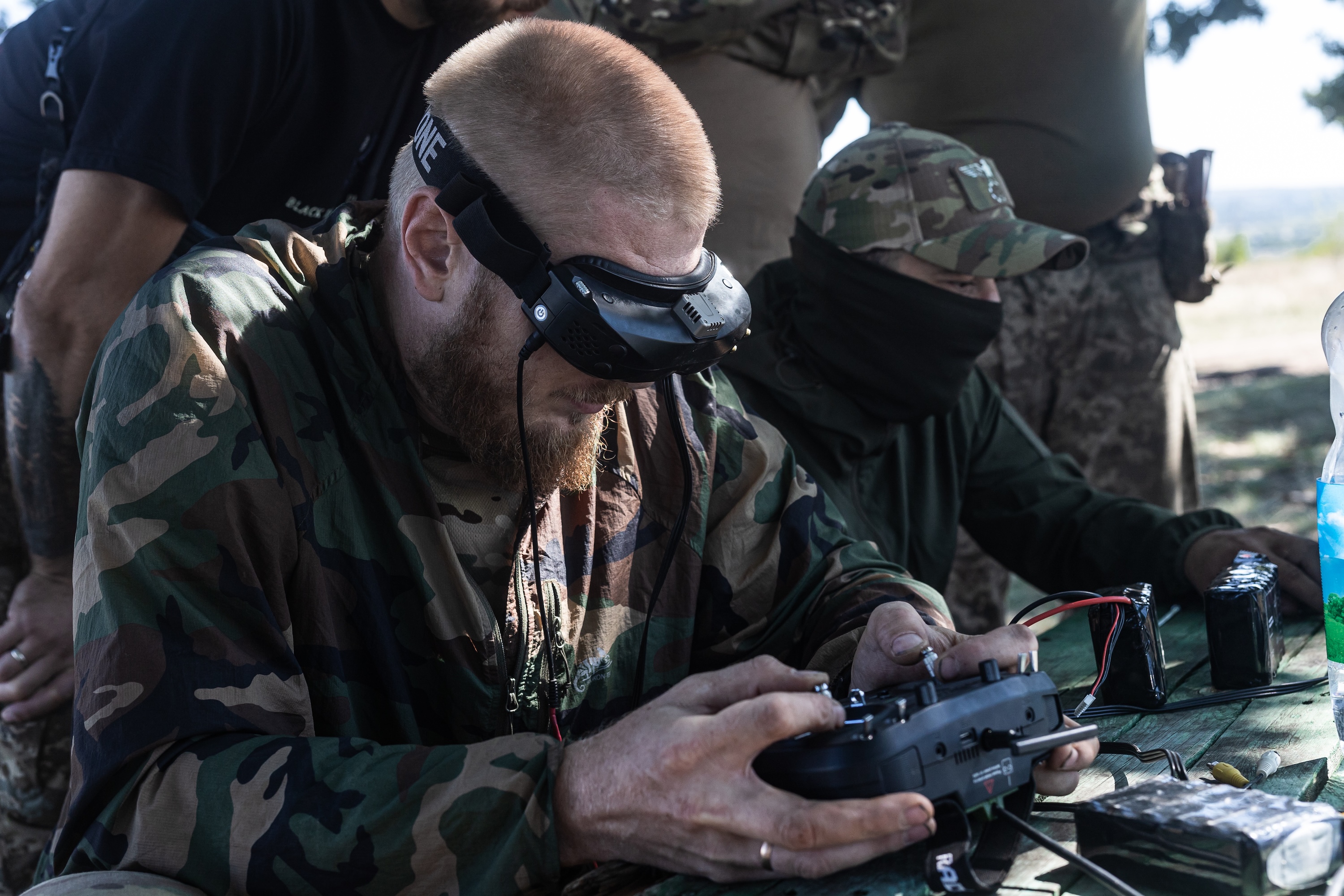
Ukraine has dramatically escalated its technological posture by giving international partners and defense companies unprecedented access to its battlefield data. This data, drawn from real combat experiences, will be instrumental in training advanced AI models intended for autonomous drone systems. The implications of this sharing initiative extend beyond Ukraine, as it seeks to boost the efficacy of its partners' military capabilities amid ongoing conflict with Russia.
The historical context surrounding Ukraine's decision to share its combat data is rooted in the need for advanced technologies to counter Russia's significant military advantages. Since the onset of the war in 2022, Ukraine has increasingly relied on innovative solutions to level the playing field, from using drones for surveillance to deploying cutting-edge missile systems. With Western support, Ukraine has consistently sought to enhance its military readiness, marking a departure from traditional defense paradigms.
This data-sharing initiative is significant because it marks a shift in the military balance of power, with potential exceptions for both Ukraine and its allies. By enhancing AI capabilities in autonomous systems, Ukraine and its partners could develop drone technologies that are not only more effective but also capable of operating in contested environments with minimal human intervention. This development could provoke reactions from countries like Russia and China, who may also be incentivized to accelerate their own drone weaponization programs to maintain parity.
Key actors in this evolving landscape include Ukraine and its NATO allies, particularly the United States and the United Kingdom, who have been at the forefront of providing military assistance. For Ukraine, transferring data to partners is not merely about technological advancement but is also a strategic maneuver to solidify these alliances amidst a heated conflict. In turn, defense companies are eager to exploit this unique dataset to leapfrog existing limitations in autonomous systems and weapon systems integration.
From a technical standpoint, the sheer quantity and specificity of the combat data provided by Ukraine remain critical. This includes data on drone operations, target acquisition, and engagement patterns that can be synthesized into AI learning models. The collaboration is anticipated to enhance the capabilities of drone systems by making them more responsive and capable of complex decision-making in warfare scenarios. Increased funding processes from allied nations may also emerge, reflecting the urgent need for innovation to match current warfare demands.
The likely consequences of this initiative could include a rapid acceleration of AI-driven warfare capabilities among Ukraine’s allies, which, in turn, may prompt a response from adversaries. Russia may feel pressured to enhance its own AI-driven military technologies. Moreover, an empowered Ukraine that utilizes next-generation autonomous systems could prolong the conflict as it seeks to maximize its battlefield capabilities. A consequent arms race may unfold, complicating international security dynamics further.
Historically, this type of data-sharing arrangement has rarely occurred, especially in live combat scenarios. Precedents include the sharing of intelligence among allies but usually not real-time combat data to improve systems militarily. This move reflects an unprecedented level of trust and collaboration that could redefine international military partnerships moving forward.
Moving forward, stakeholders should closely monitor the responses of Russia and China as they seek to adapt to the new technological advancements. Intelligence indicators to watch include shifts in military spending on AI technologies among major powers, the emergence of new autonomous systems, and potential escalations in counter-drone operations. The unfolding geopolitical chess match will signal how this data sharing reshapes modern warfare in the near future.