Ukraine Seizes Territory as Russian Army Suffers 35,000 Monthly Losses
Ukraine's recent territorial gains indicate momentum in the conflict, exposing severe Russian military vulnerabilities. The staggering loss of troops underscores a weakening Russian front and raises strategic questions about its military capacity.
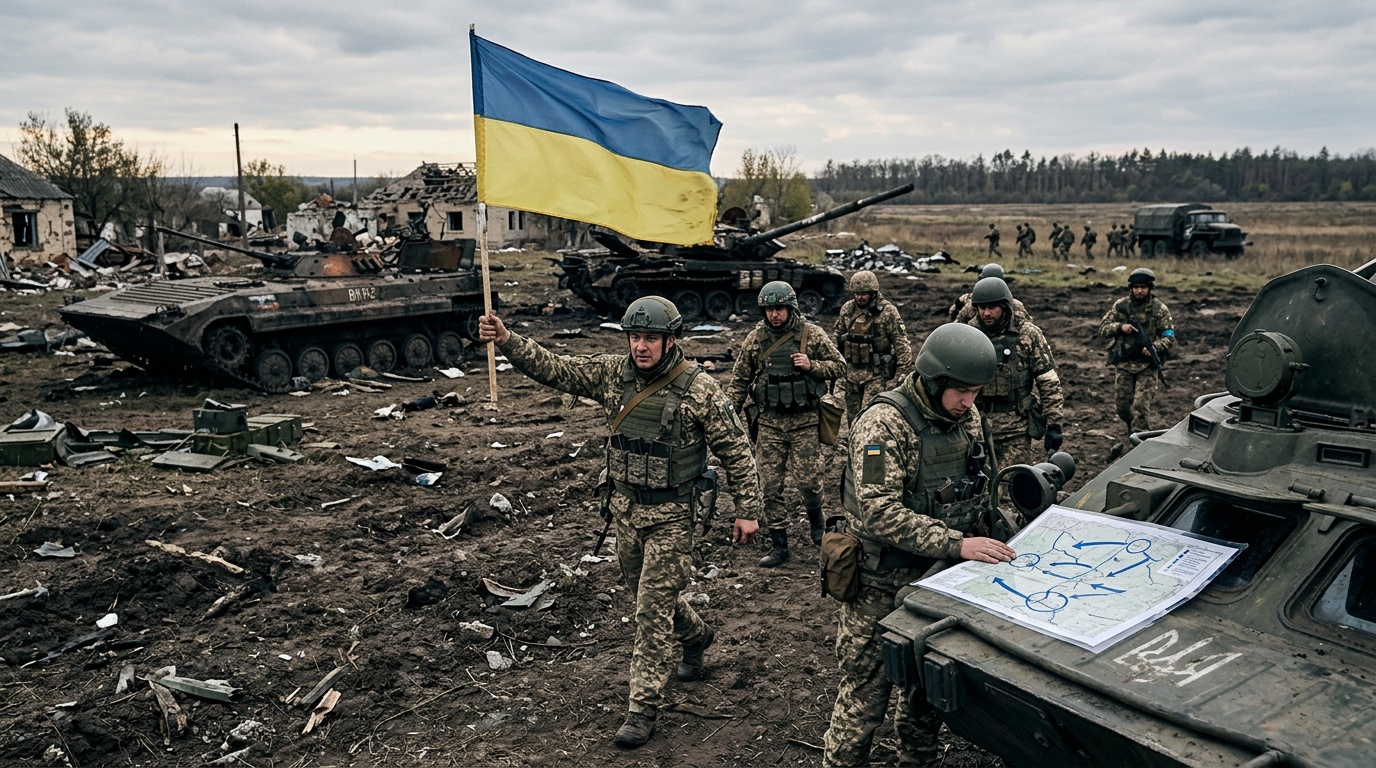
Ukrainian forces have captured critical territory in Dnipropetrovsk and Zaporizhia, marking the first significant territorial gains in 2023. These developments come as Ukrainian President Volodymyr Zelenskyy claims that Russia is suffering as many as 35,000 soldier casualties each month, further demonstrating the potential fragility of Russia's military operations in Ukraine.
The conflict in Ukraine has been ongoing since 2014, but escalated dramatically with Russia's full-scale invasion in February 2022. This invasion has seen numerous strategic shifts, with Ukraine receiving extensive military aid from Western allies while Russia increasingly relies on conscription and mercenary groups to bolster its ranks amid heavy losses. The recent advancements by Ukrainian forces can be traced back to an ongoing counteroffensive that began in 2022, as they aimed to exploit Russian weaknesses and reclaim occupied areas.
The significance of these territorial gains shifts the momentum of the conflict and raises questions about Russia's military capabilities. With such high casualty rates reported, the morale and effectiveness of the Russian military could be critically undermined. This development poses challenges not only for Russia but may also embolden Ukraine and its allies, potentially leading to escalated offensives.
Key players in this conflict include President Zelenskyy, who is seeking to solidify Ukraine's position on the global stage alongside NATO and EU partners. Conversely, Russian leadership under President Vladimir Putin faces pressure to demonstrate success in the face of mounting losses, which could drive further aggressive actions as they seek to retain territorial control and boost morale to their forces.
Operationally, Ukraine's advances have been supported by cutting-edge Western weaponry, including HIMARS rocket systems and artillery units, which have significantly enhanced their capabilities. The increased coordination between multinational forces and Ukraine, plus the successful targeting of Russian supply lines, has arguably contributed to the ongoing territorial gains. Reports indicate that Ukraine has mobilized approximately 900,000 troops against an estimated force of 950,000 for Russia, showcasing the intense manpower battle at play.
Moving forward, the likely consequences of these developments could include escalating military engagements as both sides vie for control over key regions. Ukraine's territorial gains may inspire further offensives across multiple fronts, while Russia is likely to respond with intensified strikes and an attempt to fortify its positions. The potential for wider regional conflict also looms, as elements within Russia may call for a retaliatory response as a show of strength.
Historically, similar scenarios have occurred, such as during past conflicts where initial successes emboldened one side while weakening the other. In World War II, Soviet forces saw significant territorial gains post-Stalingrad, leading to the eventual collapse of Axis defenses. This historical precedent serves as a cautionary tale for aggressors who underestimate the resolve of an embattled nation fighting for its sovereignty.
As we assess the situation moving forward, intelligence indicators to watch include shifts in Russian military strategy, potential mobilizations of reserve forces, and continued Western involvement in terms of military aid to Ukraine. Monitoring the flow of logistics and troop movements on both sides will be crucial in forecasting future confrontations and evaluating the evolving nature of this ongoing conflict.