Ukraine claims 1:5 drone kill ratio against Russia, Finnish president says
Ukraine asserts a favorable drone-led attrition against Russian forces, claiming a 1:5 kill ratio. The Finnish president, during a Washington visit, states Ukraine stands stronger now than at any prior phase of the conflict. The remarks underscore shifting regional sentiment and the impact of unmanned warfare on the Ukraine war balance.
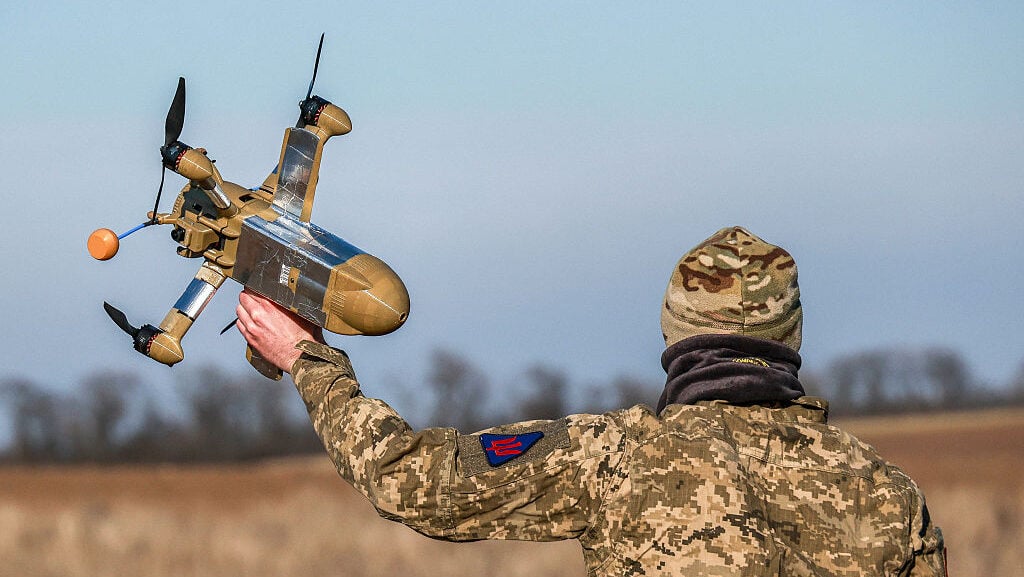
Ukraine publicly asserts a dramatic shift in the drone war against Russia, claiming a 1:5 kill ratio in recent operations. The assertion frames drones as a decisive factor in the ongoing conflict, suggesting Russian losses outpace Ukrainian casualties by five to one. While details remain unverified publicly, the claim aligns with broader discourse on unmanned warfare and deterrence. The numbers, if accurate, indicate a substantial impact on Russian operational capability and morale.
During a high-profile visit to Washington, Finnish President Alexander Stubb characterized Ukraine’s position as markedly improved compared with earlier phases of the war. He cited sustained Western support, continued Ukrainian resilience, and effective use of intelligence and air defense as contributing factors. The remarks reflect a regional consensus that Kyiv’s strategic posture has strengthened despite intensifying Russian pressure. Critics, however, caution against overinterpreting a single set of assertions amid a fluid conflict.
The exchange highlights how political leaders are shaping the narrative around battlefield effectiveness and Western support. It also underscores the sensitivity of casualty and effectiveness claims in a war where information warfare plays a central role. Analysts stress the need to corroborate drone casualty ratios with independent data and to assess how such figures influence future ceasefire considerations and deterrence dynamics. The atmosphere remains highly precarious as both sides recalibrate their tactics.
Technical discussions around drone architectures, sortie rates, and counter-drone capabilities are central to the claim’s plausibility. Ukrainian forces have increasingly integrated loitering munitions and prevalence of smaller, cheaper drones with longer-range strike options. Russia counters with layered air defense and munitions diversification, complicating attribution and casualty assessment. The evolving tech balance will shape both sides’ operational planning in the coming months.
Looking ahead, the implications for regional stability hinge on validation of the kill-ratio claim and the continuity of Western support. If Kyiv can sustain drone-enabled pressure, Moscow may face heightened tempo in defenses, logistics strain, and potential strategic recalibrations. Conversely, any erosion of Western backing or a plateau in drone effectiveness could shift the balance toward a protracted stalemate or renewed escalation.