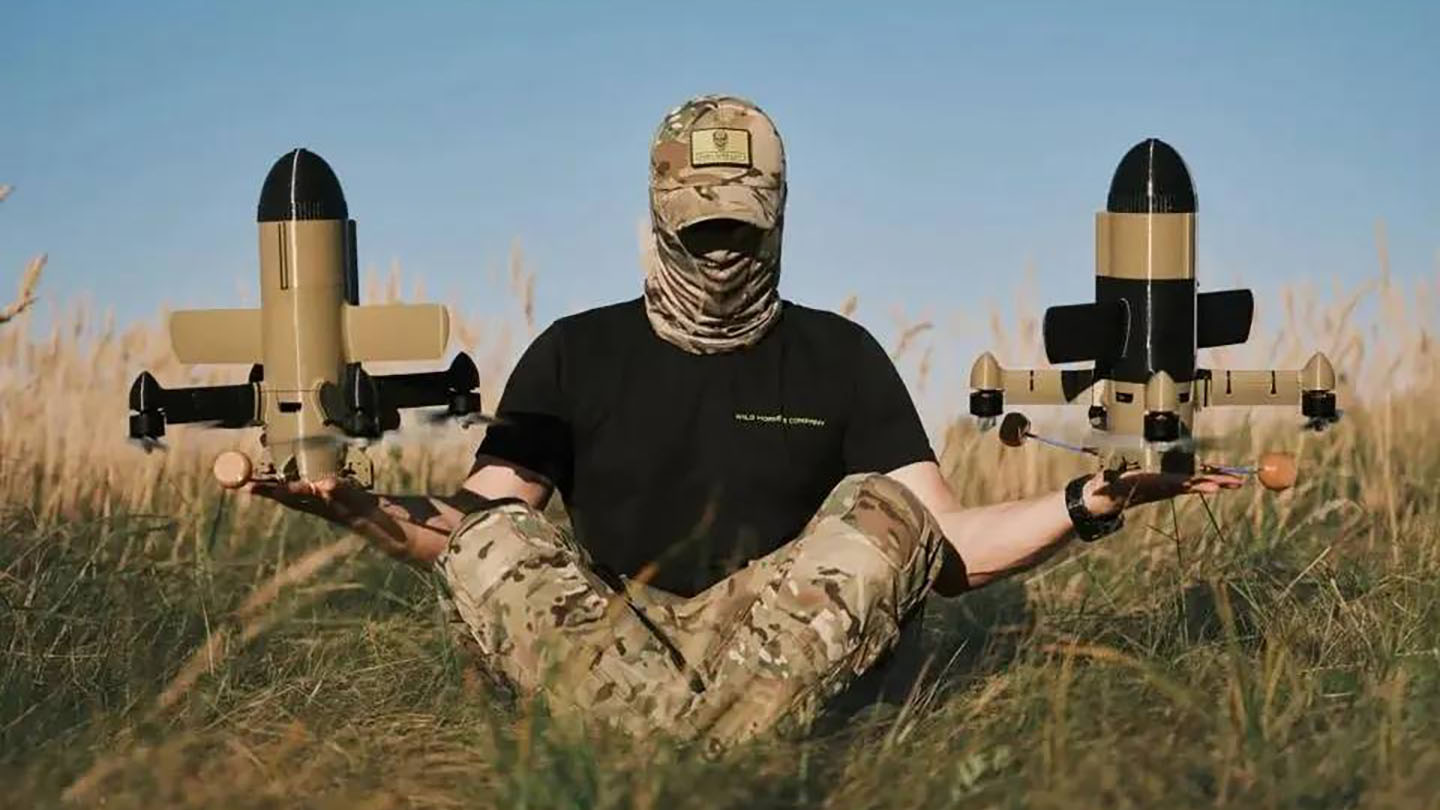
Ukraine Bans Drone Exports Amid Rising Demand From Iran Conflict
Ukraine's ban on exporting Shahed interceptor drones signals a strategic pivot as Middle Eastern conflicts intensify. This restriction not only affects Ukraine's defense industry but could embolden Iranian drone operations against regional adversaries.
In a surprising move, the Ukrainian government has declared a ban on the export of Shahed interceptor drones. This decision comes as waves of Iranian Shahed drone attacks continue to destabilize multiple countries in the Middle East, increasing the demand for effective defense measures. Ukrainian manufacturers, previously gearing up to meet this demand, now face a critical setback in their operations and export capabilities.
The context of this ban lies in the escalating drone warfare that has erupted in conflicts spanning from Syria to Yemen, where Iranian-origin drones have played significant roles. Ukraine, having developed its own interceptor systems amid rising interest in countering these threats, found itself on the verge of a lucrative export deal. However, domestic security concerns have now shifted the focus back to protecting its own airspace and bolstering its defense forces amidst ongoing tensions with Russia.
This prohibition is significant for several reasons. Firstly, it underscores Ukraine's prioritization of its national defense over potential economic gains. Moreover, it illustrates the broader geopolitical dynamics at play; as Iran expands its drone capabilities, the need for counter-drone technology becomes more urgent for nations threatened by Tehran's aggressive posturing. Ukraine's decision could unintentionally provide Iran with a freer hand to unleash its drone arsenal, knowing that adversarial nations may lack adequate defenses.
Key actors in this scenario include the Ukrainian government, which aims to consolidate its air defense, and the Iranian regime, which relies heavily on drone warfare to project power. The Ukrainian authorities are likely motivated by the reality that interceptors could fall into hostile hands or be ineffective against Iran's advanced military applications, thus deeming the potential export as a security threat rather than an opportunity for economic growth.
From a technical perspective, Shahed interceptors are designed to neutralize unmanned aerial vehicles, specifically those deployed by Iran. However, the specifics surrounding the number of interceptors to be produced and the funding allocated for their enhancements remain classified. The implications of a depleted export market could stifle innovation within Ukraine’s drone technology sector just as demand is surging internationally.
The likely consequences of this export ban could escalate tensions in the region further. Iran could interpret the restriction as a signal to accelerate its drone production and operational tactics against its adversaries. Meanwhile, other nations may begin seeking alternative technologies and partnerships with countries like Israel or the United States for air defense solutions, which could shift the balance of power in the Middle East.
Historically, similar export bans have occurred when nations perceived an external threat to their sovereignty. For instance, after Russia's annexation of Crimea in 2014, Ukraine tightened its arms export policies significantly. This precedent suggests that Ukraine's current stance is less about economic interests and more aligned with ensuring national security amid perceived threats from foreign powers.
In the short term, key indicators to watch will include any shifts in Ukrainian defense policy, potential collaborations with Western allies on enhancing domestic air defense capabilities, and Iran's subsequent military actions. If Iran increases its drone strikes or enhances its drone technology in response to this ban, regional tensions could escalate dramatically, spotlighting the drone warfare dynamic in modern conflict scenarios.