UK Signs $1.3 Billion Medium-Lift Helicopter Deal with Leonardo
The UK's $1.3 billion contract with Leonardo marks a potential shift in military aviation capabilities amidst rising global tensions. This deal emphasizes the UK's intent to bolster its domestic defense industry and strategic airlift capabilities.
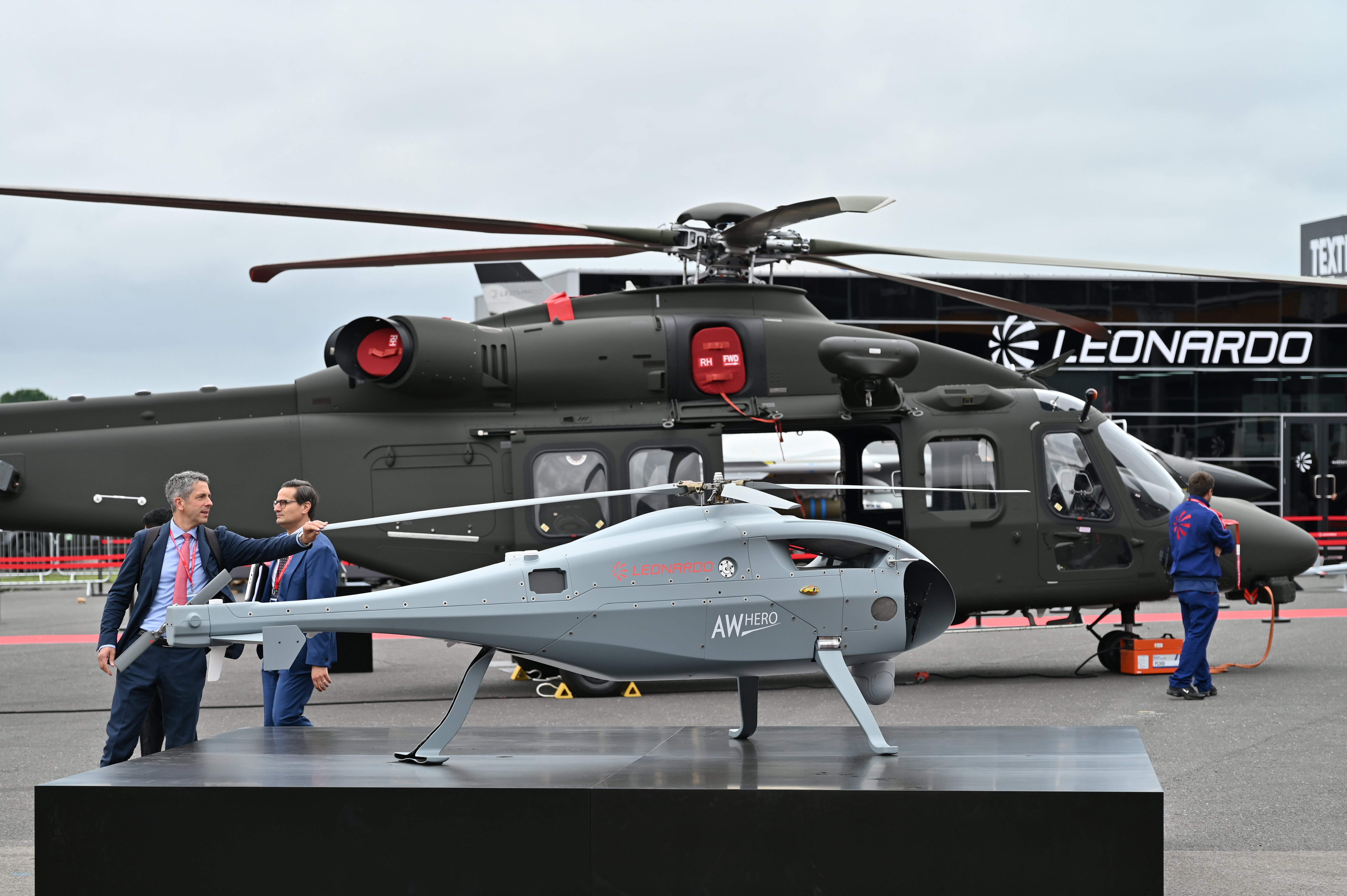
The UK government has finalized a staggering $1.3 billion deal with Leonardo for the procurement of medium-lift helicopters, a move that has significant ramifications for British military aviation. This contract is poised to reshape the landscape of the UK's helicopter manufacturing sector, promising both crewed and uncrewed aerial vehicles in the pipeline. With regional threats intensifying, the UK seeks to enhance its operational readiness and strategic airlift capabilities at a crucial juncture.
The backdrop to this deal involves a decade-long decline in domestic helicopter production, exacerbated by budget cuts and shifting defense priorities. The UK previously relied heavily on foreign suppliers, leaving its military transport capabilities vulnerable. The shift towards an indigenous manufacturing base reflects increasing geopolitical pressures and the necessity for self-reliance in defense, particularly as the threat from state actors like Russia and China looms larger.
This development is significant not only for the UK's defense posture but also as a signal to allies and adversaries alike about Britain's commitment to its military capabilities. The resurgence of the domestic helicopter sector may yield advantages in rapid deployment and logistics, directly impacting the UK's operational effectiveness in any potential conflict. Furthermore, it could stimulate broader European defense manufacturing partnerships amid strained global supply chains.
Key actors in this deal include UK defense officials, who are motivated by the need to regenerate national capabilities, and Leonardo, which stands to gain a sizable contract that could bolster its standing in the competitive global defense marketplace. This collaboration appears less about simple procurement and more about strategic alignment in defense production amid a shifting global power dynamic. The UK aims not just for quality airlift solutions but for a lasting partnership that would ensure technological transfer and job creation within the UK.
The deal encompasses not only the purchase of helicopters but also promises investments in localized production and maintenance capabilities, representing a long-term strategic investment. Specific details remain sparse, but expectations point to an array of advanced systems — potentially including variants of the AW149 or AW189, both proven platforms in military airlift campaigns. The financial commitment potentially signifies a robust transition toward innovative, digitally supported military logistics.
In terms of consequences, this deal sets a precedent for similar partnerships in Europe and could encourage other nations to reconsider their reliance on foreign defense contractors. It may also prompt rival states to accelerate their own military aviation programs, escalating the arms race in Europe and beyond. The UK’s decision to prioritize domestic manufacturing could pressure NATO allies to strengthen their collaboration on defense projects, amplifying tensions within the alliance's current framework.
Historically, moments like these echo the post-World War II arms race, where nations, facing existential crises, turned inward to secure their military futures. The UK’s investment in indigenous production mirrors past efforts to restore national pride and capability against the backdrop of perceived external threats. As in previous instances, the stakes are high for both national and international security dynamics.
Moving forward, signals to watch include announcements regarding production timelines and collaborations with other defense sectors, alongside developments in airlift strategies. Additionally, increased rhetoric or actions from Russia or other regional adversaries could further contemplate the urgency of this investment, potentially triggering additional defense contracts across Europe. The implications of this deal could resonate well beyond the UK, influencing international partnerships and airlift capabilities globally.