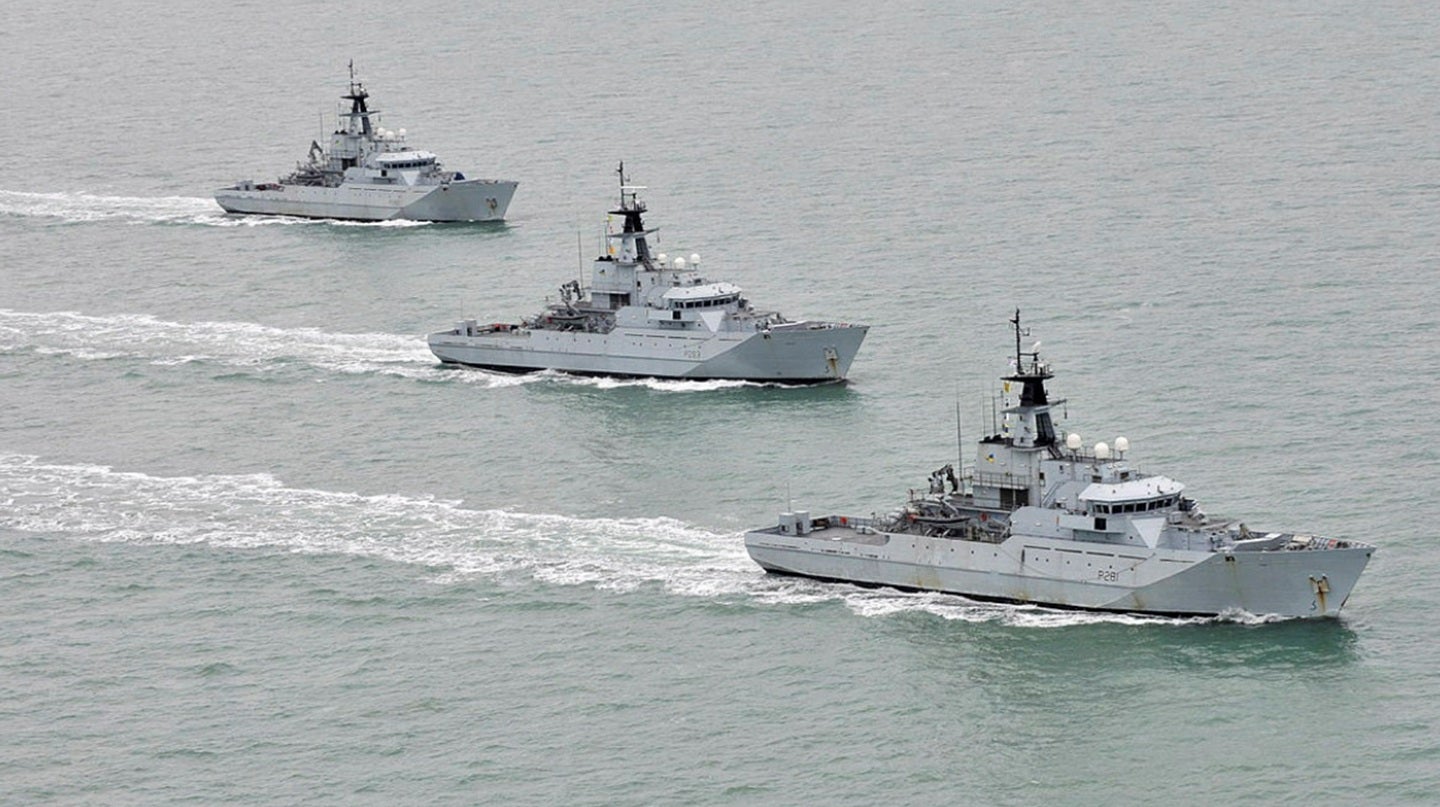
UK Plans to Sell All Batch 1 OPVs, Raises Strategic Questions
The UK’s decision to sell its first-generation Offshore Patrol Vessels (Batch 1 OPVs) signals a shift in naval priorities. These vessels, active since 2003, have patrolled UK waters but may soon end their service. This move reveals evolving maritime defense strategies amidst increasing regional tensions.
The Royal Navy intends to sell its Batch 1 Offshore Patrol Vessels (OPVs), operational since 2003. These ships have long safeguarded Britain’s territorial waters, focusing on fisheries protection, anti-smuggling, and general maritime security. Their planned disposal echoes a major transition in British maritime capabilities and defense planning.
Batch 1 OPVs were originally commissioned amid post-Cold War naval restructurings, designed for low-intensity maritime patrols rather than high-end combat. Built with a displacement just over 2,000 tons and armed mainly with a 30mm cannon and machine guns, they have limited combat value against modern threats. They have, however, provided versatile platforms for sovereignty enforcement and humanitarian missions.
Strategically, selling these older OPVs could free funds for more advanced vessels tuned to rising global naval challenges—such as hybrid threats in contested waters and great power naval competition. However, it also narrows the Royal Navy’s patrol footprint at a time when North Atlantic and Arctic security is increasingly vital.
Technically, Batch 1 OPVs like HMS Tyne and HMS Severn displace around 2,000 tons, reach speeds of 20 knots, and are crewed by about 30 personnel. Their systems are outdated compared to modern OPVs using advanced sensors and armaments. The planned sales likely target foreign navies with less demanding operational environments, willing to upgrade these vessels independently.
Moving forward, the UK must balance financial savings with the risk of diminished maritime presence against escalating global sea power rivalries. The sale highlights tensions between cost-efficiency and strategic maritime autonomy as London reshapes its naval posture for a more contested future.