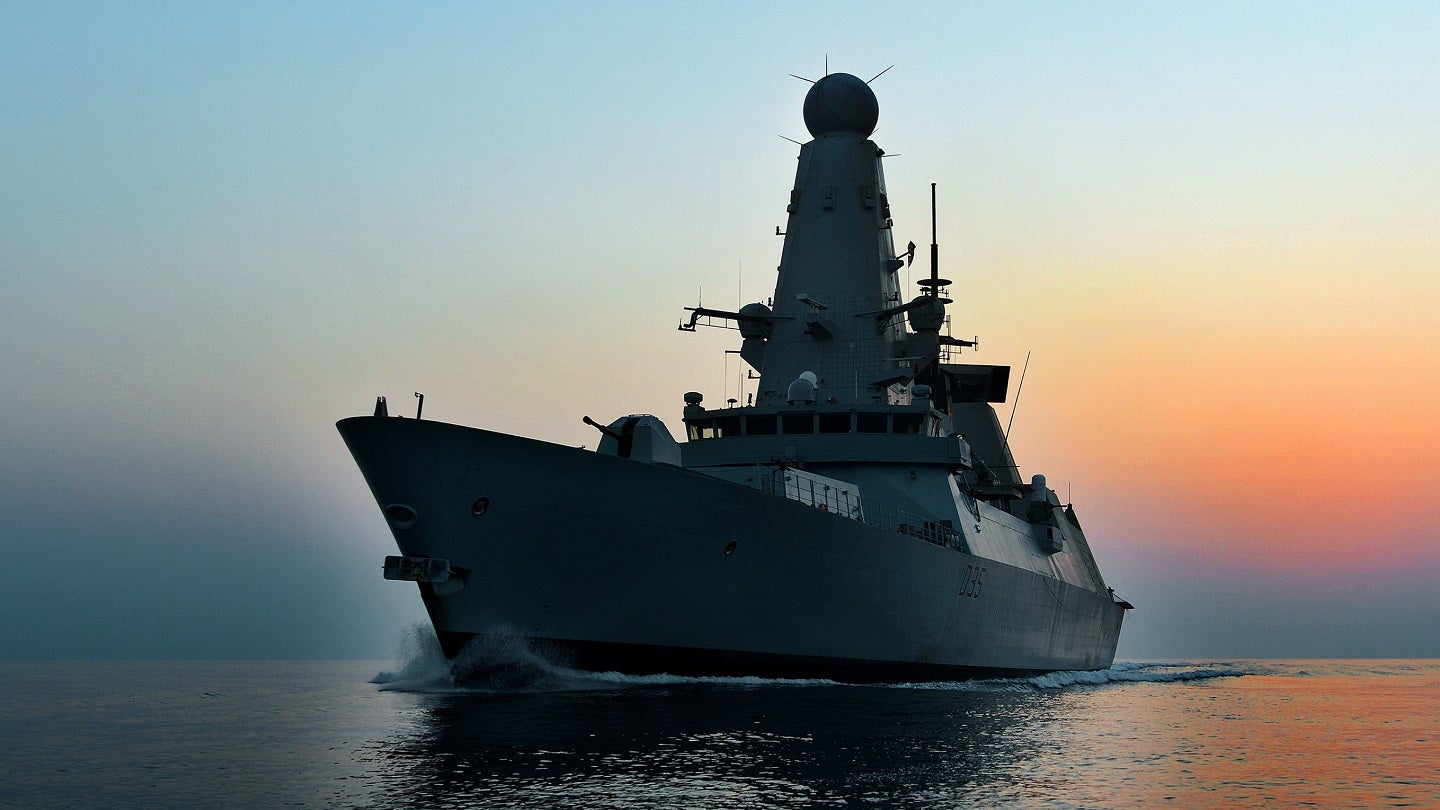
UK Fails to Deploy Type 45 Destroyer Amid Gulf Tensions
The UK's decision not to send a Type 45 destroyer to Cyprus exposes vulnerabilities in its naval readiness and signals wavering commitment amidst rising regional threats. This move could embolden adversaries and destabilize the security balance in the Eastern Mediterranean.
The United Kingdom has notably refrained from deploying a Type 45 destroyer to Cyprus, despite escalating tensions in the Gulf that have raised alarm bells for regional security. London apparently chose not to bolster its naval presence, raising questions about its strategic priorities and commitments in an increasingly volatile maritime environment. This decision comes at a time when Britain's interests and allies in the Eastern Mediterranean could be at risk from various state and non-state actors.
Historically, the UK's naval presence in the region has been a deterrent against adversarial actions, particularly from nations such as Turkey and Iran. In recent months, tensions have escalated due to confrontations in maritime oil routes and territorial disputes, particularly amid the backdrop of ongoing conflicts in nearby Syria and Libya. The absence of a Type 45, with its advanced air defense capabilities and monitoring technologies, could send a message of retreat from British influence as other powers compete for dominance.
This failure to deploy reveals significant strategic implications, as the geopolitical landscape of the Eastern Mediterranean is shifting. Nations like Turkey have been expanding their maritime operations, posing threats to shipping lanes and regional stability. By not sending the destroyer, the UK potentially exposes its assets and those of allies to increased aggression, raising the risk of confrontations that could spiral into larger conflicts.
Key players in this scenario include Turkey, which has aggressively pursued hydrocarbon exploration in disputed waters, and Iran, known for its provocative actions against shipping in the Strait of Hormuz. The UK’s withdrawal could be interpreted as weakness, emboldening these states to escalate their actions further, potentially undercutting British diplomatic efforts in the region.
The Type 45 destroyer, equipped with the Sea Viper missile system and advanced radar capabilities, represents one of the most sophisticated surfaces ships in the Royal Navy, capable of engaging threats within a 70-kilometre range. The decision not to utilize such a potent asset is alarming, especially considering the Royal Navy’s ongoing operational commitments and a defense budget that has come under scrutiny due to funding issues. Each Type 45 destroyer costs approximately £1 billion, indicating that strategic asset misallocation could have dire implications for future UK naval operations.
The immediate consequences of this deployment failure are manifold; it may provoke a reconsideration of UK defense commitments in the region and inspire adversaries to test British resolve. The lack of a maritime deterrent could embolden hostile actions from regional players, and may lead to increased risk for commercial and military vessels operating in the area. This situation creates a platform for potential clashes, especially if maritime routes continue to attract aggressive posturing.
Historically, the absence of a robust naval response during crises often leads to escalated tensions, as evidenced by multiple instances in the South China Sea where naval inactivity has resulted in territorial aggressions. The UK's lack of presence notably mirrors past mistakes where rapid deterioration of security followed hesitance in deploying forces when called for.
Moving forward, observers should watch for shifts in the operational readiness and deployment strategies of the UK’s naval forces. Intelligence indicators will include increased maritime activity from Turkey and Iran, potential threats to shipping routes, and any escalations directly involving British assets in the region. This situation serves as a critical juncture for the UK to reassess its naval strategy and consider the longer-term implications of its current stance in a geopolitical arena fraught with uncertainty.