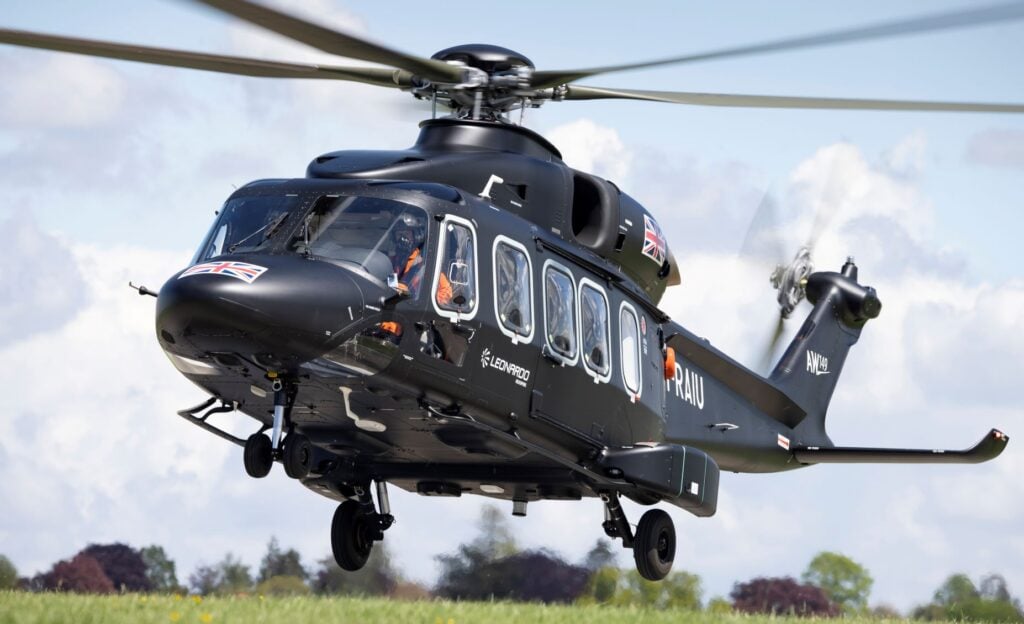
UK Faces Rotary Capability Crisis, Awards $1.3B AW149 Contract
The UK military confronts a critical rotary-wing capability gap as it retires the Puma HC2 fleet in 2025, necessitating urgent investment in the AW149 helicopters. This contract represents a substantial shift in defense priorities amidst increasing operational demands.
The United Kingdom has awarded Leonardo a $1.3 billion contract for the new AW149 New Medium Helicopter, aimed at addressing an imminent rotary capability crisis. With the retirement of the Puma HC2 fleet scheduled for March 2025, this investment is crucial to maintaining essential air support functions within the British Armed Forces.
The need for the AW149 fleet stems from the downsizing and phase-out of the Puma HC2, which has been a key component of the UK's rotary operations. The aging fleet has faced reliability issues and operational limitations, while the ongoing global conflicts and security challenges demand modernized and versatile helicopters. The AW149, designed for transport, reconnaissance, and utility missions, is positioned to fill this operational void effectively.
This development is significant not only for the UK's military capabilities but also for its defense posture amid rising regional tensions. The ongoing conflicts in Ukraine and escalating threats from Russia have heightened the urgency for the UK to enhance its air mobility and support capabilities. Failure to address the rotary-wing gap could severely impair the UK's ability to respond to crises, undermining its standing as a key player in NATO operations.
Key players in this contract include the UK Ministry of Defence, which seeks to modernize its aerial fleet, and Leonardo, poised to continue its important role in supplying advanced military aviation assets. The UK government’s motivation lies in ensuring operational readiness and responding to increasing defense budget pressures due to external threats and global instability.
The AW149 helicopter boasts specifications tailored for diverse missions, including a range of 500 nautical miles and the capacity to carry up to 12 troops or 2,400 kg of cargo. Its modular design allows for quick reconfiguration for various roles, addressing a variety of mission profiles. The allocation of $1.3 billion underscores the UK's commitment to advancing its aerial warfare capabilities as geopolitical tensions continue to rise.
The consequences of this contract could lead to increased military readiness, but it also sets the stage for potential backlash from adversaries observing UK defenses sharpen. The window until 2025 will be critical as the UK seeks to integrate the AW149 into operational squadrons while phasing out the Puma HC2—execution could reveal gaps in capabilities during an extended transition period.
Historical precedents can be drawn from the UK’s previous defense contracts, such as the introduction of the Apache AH-64E and the A400M Atlas transport aircraft, which faced significant delays and integration challenges. These examples highlight the obstacles the UK might encounter as it works to field the AW149 in a timely manner.
Moving forward, defense professionals should monitor the UK’s procurement timeline and any indications of delays or issues with integration. Key indicators include updates on test flights, contractor performance reports, and how the transition from Puma HC2 to AW149 progresses. Continued scrutiny will reveal how effectively the UK can preserve its capability in the face of growing demand for rotary-wing support.