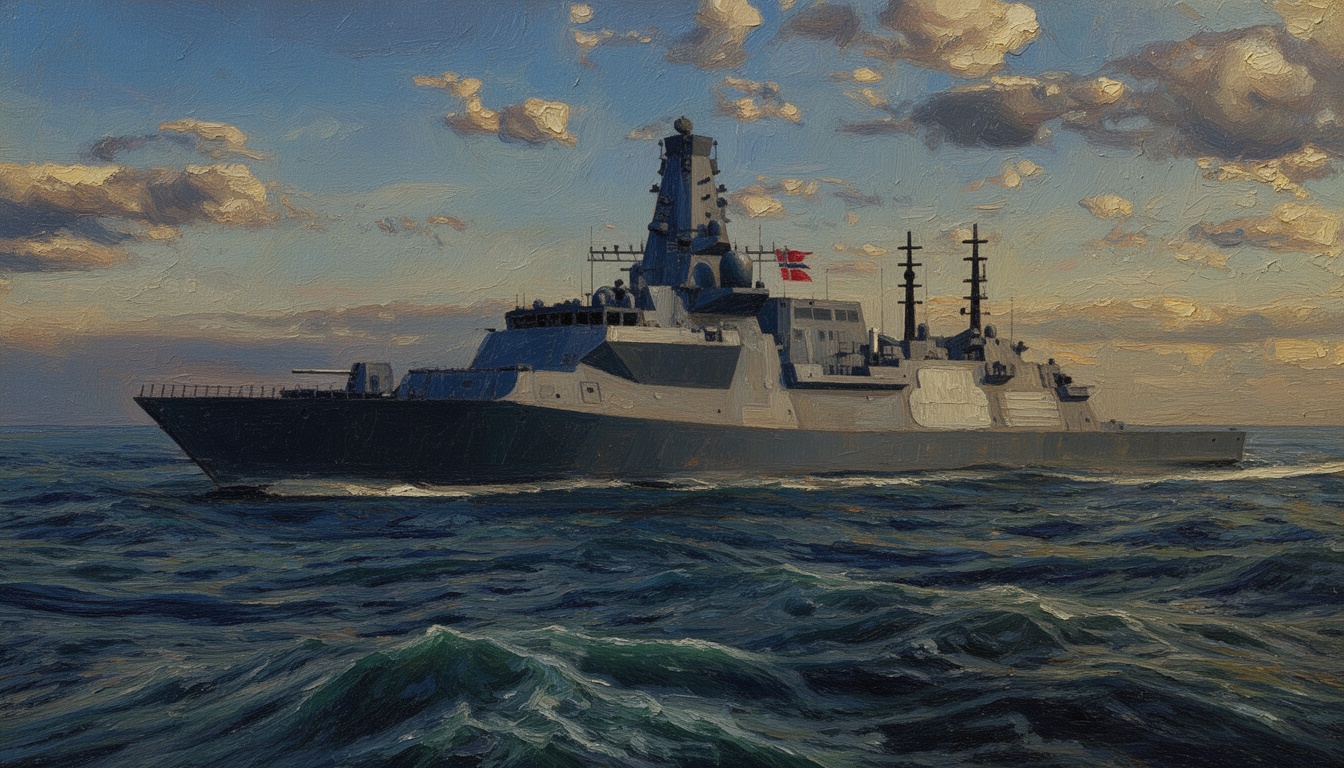
UK Cedes Type 26 Frigates to Norway, reshaping NATO naval balance
Britain confirms it will cede an unknown number of the first eight Type 26 frigates to Norway. The move signals intensified NATO interoperability and deterrence on the North Atlantic front, while triggering industrial and alliance-wide questions about fleet modernisation timelines and basing. The dynamic underscores ongoing shifts in allied force distribution and defense industrial policy.
The UK government has confirmed that an unknown number of the first eight Type 26 frigates will be ceded to Norway. The announcement follows long-standing discussions within NATO about strengthening northern maritime deterrence and interoperability. While the exact figure remains undisclosed, the decision signals a clear UK commitment to bolstering Norse sea power and regional ballast against evolving Arctic and North Atlantic threats. Analysts are weighing the implications for Britain’s own carrier and escort fleet commitments as industrial and staffing constraints come into play.
Contextually, the Type 26, successor to the Type 23 Duke-class, is designed for anti-submarine warfare, air defence, and surface combat roles with modular mission packages. Norway’s fleet already relies on a mix of frigates and corvettes, with deep-water patrols in the North Atlantic and the Barents Sea a constant demand. The transfer aligns with broader Western efforts to standardize tactics, training, and maintenance cycles among allied navies, reducing fratricide risk and improving joint maritime operations.
Strategically, the ceding sharpens Norway’s deterrent and extends alliance reach into the Arctic theatre. It also influences NATO’s force planning by advancing common hulls and spares pools, potentially easing logistics for combined patrols and escort operations. For Russia and other Arctic actors, the shift tightens allied anti-access/area denial postures and could spur reciprocal moves in northern deployments or basing arrangements.
Operationally, the Type 26 provides multi-mission capability with advanced anti-submarine sensors, integrated air defence, and a flexible mission bay. The exact configuration of the Norwegian ships—weapon fits, radar suites, and crew size—remains under consideration by ministries of defence on both sides. Budget implications, industrial offsets, and maintenance pipelines will shape the pace of handover and training intensives, determining how quickly Norway can integrate these hulls into active service.
Looking ahead, the unanswered questions revolve around the number ceded, the impact on Britain’s own escort complement, and how swiftly Norway can bring the ships to full operational status. The arrangement may recalibrate North Atlantic maritime deterrence, with Norway emerging as a more capable bulwark against both sea denial and air/missile threats. Short-term risk includes potential bottlenecks in industrial capacity and crew training, while longer-term effects could redefine alliance-based navy modernization benchmarks across Europe.