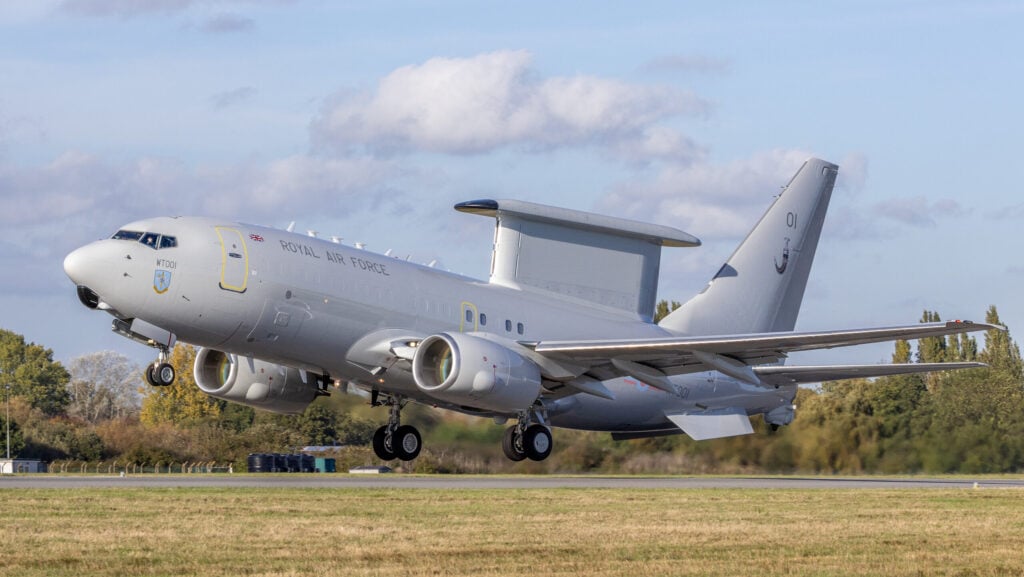
UK Blasts Boeing Over E-7 Wedgetail Delays, Program Jeopardized
The United Kingdom publicly rebukes Boeing for persistent failures and delays in the E-7 Wedgetail AEW&C program, now pushed back to 2026. Strategic air surveillance capabilities are at risk, destabilizing NATO's aerial command continuity.
Britain’s Ministry of Defence has openly slammed Boeing as a 'troubled partner', intensifying the crisis surrounding delivery of the critical E-7 Wedgetail AEW&C aircraft, with initial operational capability delayed until at least 2026. The public censure underlines a severe rupture in transatlantic defense-industrial trust that threatens core airborne C2 capacity for NATO's northern flank.
London initially committed to field the E-7 fleet early in the 2020s but last year conceded that delivery timelines were slipping drastically, forcing acceptance of a revised 2026 target. The UK’s early retirement of its E-3 Sentry AWACS, based on promises for rapid E-7 induction, has left a strategic coverage gap and exposed dependence on external NATO assets for crucial surveillance roles.
This escalation exposes vulnerabilities not only for the UK but for all NATO operations relying on seamless airborne warning and control. In the context of heightened Russian air activity and the erosion of airpower warning times, such delays erode the alliance’s deterrent credibility and operational readiness across Europe’s air highways.
Boeing, once favored as a stalwart supplier, has been accused by UK officials of chronic delays, mismanagement, and failing to provide assured timelines. The company’s rocky delivery record now raises doubts over other major procurement efforts and sows distrust in US-Europe defense industrial relations just as the alliance faces its gravest security crises in decades.
Technically, the E-7 Wedgetail, based on the Boeing 737-700 platform with a Northrop Grumman MESA radar, was to replace the aging E-3D fleet with five aircraft. The program’s value reportedly exceeds £2 billion. Persistent production and integration challenges have crippled schedules, with just a single test airframe reportedly flying.
The loss of indigenous UK airborne early warning until at least 2026 leaves operational commanders blind, forcing greater reliance on US and NATO AEW assets, and eroding Britain’s ability to independently support rapid deployment or homeland defense operations.
Past Western procurement debacles—from the A400M to NH90—illustrate that alliance cohesion can fray rapidly when industrial partners fail to deliver on high-assurance projects. The Wedgetail crisis is the latest fissure undermining European faith in long-standing transatlantic defense supply chains.
Intelligence should monitor for further program slippages, signs of British moves towards alternative systems or partners, and downstream effects on NATO C2 resilience. Slippage beyond 2026 or reduced fleet size would signal deepening crisis and likely drive allied procurement realignments.