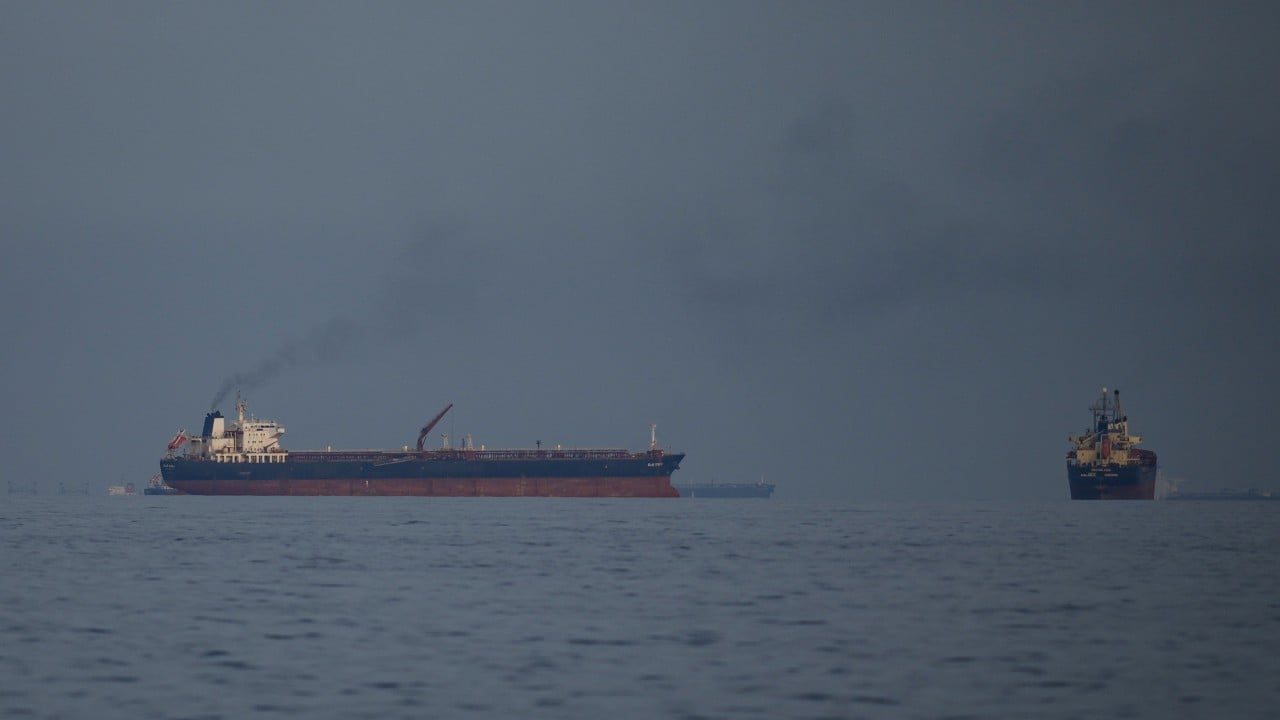
UK Accuses Russia and Iran of Crisis over Hormuz Blockade
Russia and Iran's blockade of the Strait of Hormuz threatens global economic stability and escalates regional tensions. The disruption has already triggered a spike in oil prices, intensifying inflationary pressures worldwide.
The UK has accused Russia and Iran of orchestrating a blockade in the Strait of Hormuz, a critical artery for global oil shipping. This situation has led to significant disruptions in oil supply, contributing to prices soaring to approximately US$100 per barrel. Such a spike poses severe implications for inflation rates internationally, adding strain to economies recovering from the pandemic.
The backdrop of this crisis includes a sustained campaign of military actions from both the US and Israel against Iranian targets. Following these strikes, Iran's new supreme leader has explicitly vowed to retaliate, indicating intent to target commercial shipping in the strategic waterway. The Strait of Hormuz serves as a transit point for about 18 million barrels of oil per day, underscoring its importance in global energy security.
This blockade represents not just a regional dispute but a direct challenge to international economic stability. Global markets have reacted swiftly to the news of rising prices, with fears that prolonged tension could lead to supply shortages. Investors and policymakers alike are grappling with the potential for a cascade of economic disruptions that could affect not only oil-rich nations but also heavy consumers of oil worldwide.
Key players in this scenario include Iran, which seeks to assert its influence in the region despite external pressures, and Russia, which appears to be aligning with Tehran to destabilize Western interests. Their motivations are rooted not only in retaliating against perceived aggression but also in leveraging their position to gain economic and political advantages on the world stage. The UK's comments reflect a growing concern over a potential coalition between these nations that might undermine global agreements and oil market stability.
Currently, estimates suggest that Iran has positioned naval assets to enforce this blockade, a move that could involve confrontations with international vessels. The logistics of maintaining such a blockade point towards Iran's willingness to escalate military operations. If tensions continue unchecked, there is a high likelihood of military engagements with US or allied naval forces, leading to further instability in the region.
The historical context provides a cautionary tale, with similar confrontations in the past leading to significant military escalations in the Persian Gulf. Events such as the 1980s Tanker War serve as reminders of how quickly disputes in this strategic region can escalate into broader conflicts, drawing in multiple international actors.
Looking forward, observance of military movements and naval deployments by both Iran and Western forces will be critical. This crisis is expected to unfold further, with intelligence indications pointing to a potential surge in military readiness from US and allied navies. The coming weeks will be pivotal in determining whether diplomatic efforts can resolve these tensions or whether they will lead to a full-blown maritime conflict with global repercussions.