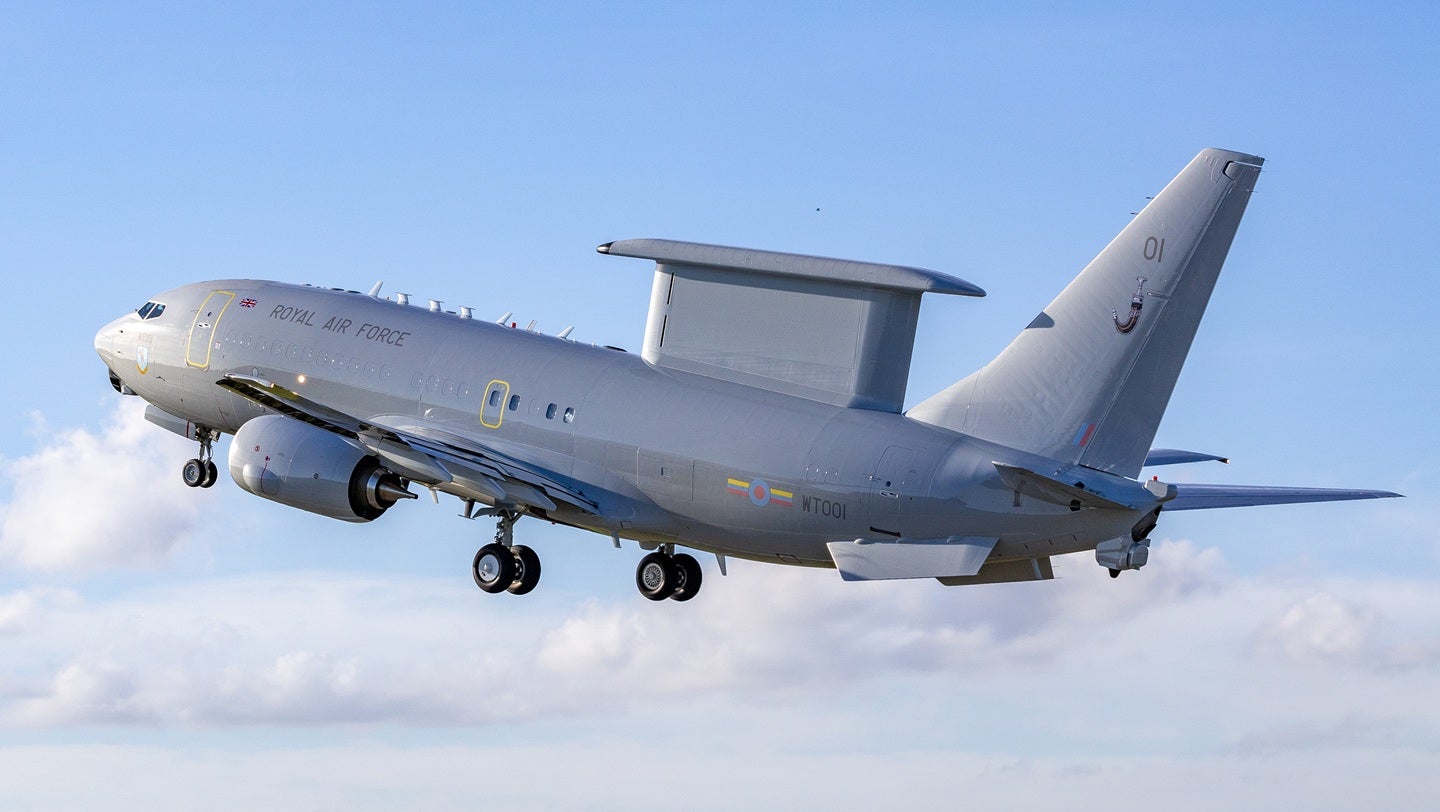
UK £2bn E-7 Wedgetail Faces Obsolescence Before Service Start
The UK's £2 billion E-7 Wedgetail AEW&C aircraft program confronts obsolescence challenges prior to Royal Air Force deployment, raising concerns about capability gaps in airborne early warning. This delay threatens Britain’s strategic surveillance capacity as regional and global tensions intensify.
The UK’s £2 billion E-7 Wedgetail airborne early warning and control (AEW&C) program is encountering critical obsolescence challenges before its aircraft have even entered Royal Air Force (RAF) service. These technical and capability setbacks risk leaving the RAF without a modern AEW&C platform at a time when surveillance demands are increasing globally.
Originally intended to replace the aging Boeing E-3 Sentry fleet, the E-7 Wedgetail is expected to provide superior radar and command coordination capabilities. However, rapid advancements in electronic warfare and sensor technologies have outpaced program development, casting doubts on the platform’s effectiveness upon entry into service.
The strategic relevance of AEW&C platforms like the Wedgetail lies in their force multiplier effect, enabling airspace dominance and early threat detection. The UK’s delay in deploying an up-to-date AEW&C system reduces its ability to monitor contested environments, impairing joint operations with NATO allies amid rising regional conflicts.
The Wedgetail is built around a modified Boeing 737-700 platform equipped with the Northrop Grumman MESA radar system, which offers 360-degree coverage and enhanced tracking capabilities. Despite a £2 billion investment, integration and software updates have lagged, compromising radar performance against emerging stealth and electronic warfare threats.
If obsolescence issues remain unresolved, the RAF risks a critical surveillance gap that may force reliance on allied platforms, impacting UK defense autonomy. Moving forward, accelerated modernization or acquisition of complementary systems will be necessary to maintain global operational relevance in airborne early warning roles.