UAE Faces Iranian Assault, Accelerates South Korean Missile Shield Deployment
The UAE urgently escalates air defense preparations amid Iranian retaliatory strikes, revealing regional vulnerabilities and shifting military dynamics.
The United Arab Emirates has requested expedited deliveries of Cheongung-II surface-to-air missile batteries from South Korea as Iranian forces initiate retaliatory missile strikes across the Middle East. This dramatic move underscores the UAE's urgent need to bolster its air defense capabilities in the face of intensifying threats from Tehran. As Iranian missiles rain down in response to alleged U.S. and Israeli aggressions, UAE officials are racing against time to fortify their skies.
The backdrop to this crisis is a deepening geopolitical confrontation in the Middle East, fueled by sustained U.S. support for Israel and increasing Iranian hostility. The UAE's entreaty to South Korea is a direct reflection of its growing unease as Tehran demonstrates its ability to project power and strike targets far beyond its borders. Following recent skirmishes and high-stakes naval confrontations in the Arabian Gulf, the regional security landscape has become dangerously volatile.
This situation is significant as it exposes the weaknesses of Gulf states in deterrence capabilities against advanced missile threats, particularly from Iran. The escalation raises the specter of a broader regional conflict, where miscalculations could spiral into open warfare. The need for rapid military enhancements highlights the fragile nature of current partnerships and alliances in the region.
Key actors in this scenario include the UAE, which seeks to ensure its national security against an increasingly assertive Iran, and South Korea, looking to solidify its defense export footprint. Iran's motivation stems from a desire to retaliate against perceived humiliations and threats from U.S. and Israeli forces. Their enriched nuclear capabilities and advanced missile technology present a potent challenge to regional stability as Tehran seeks to leverage its military assets.
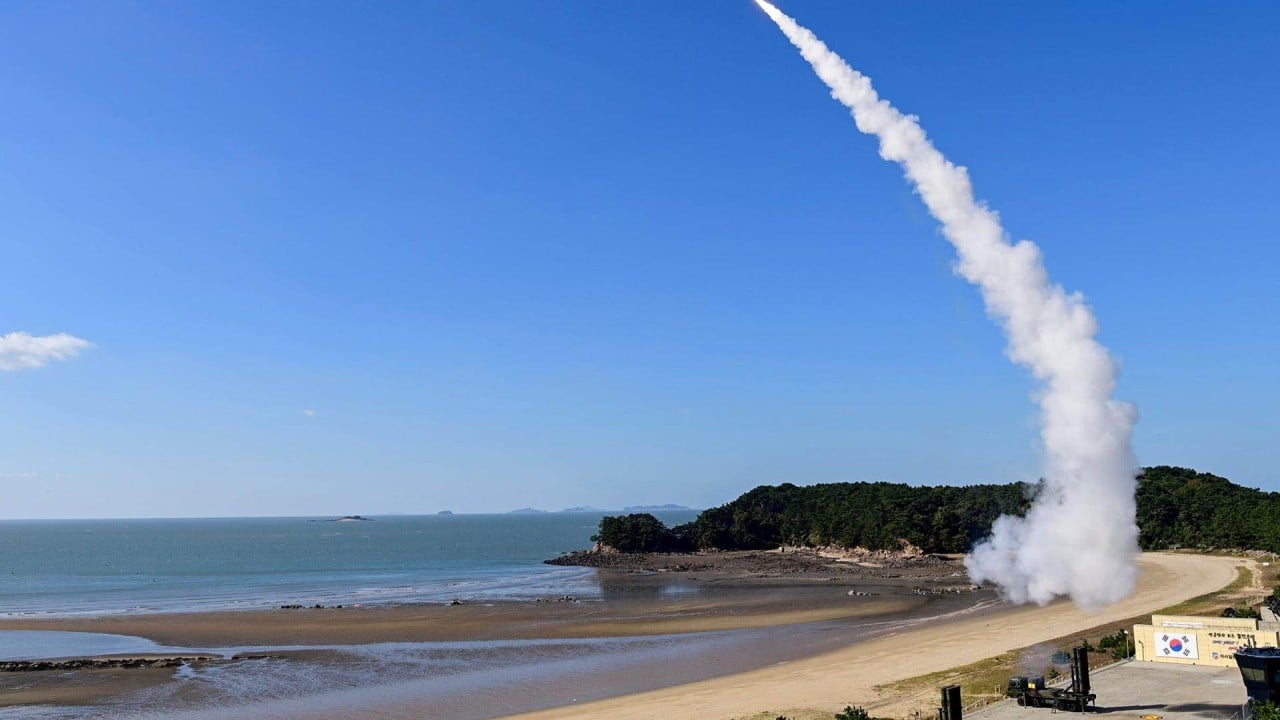
The Cheongung-II missile system, part of Seoul's strategic export initiatives, offers the UAE a more capable defense against aerial threats. This advanced surface-to-air missile system is equipped to engage various aerial targets at ranges exceeding 40 kilometers and offers layered defense capabilities against drones and cruise missiles. Given the escalating threats, timely integration of this technology is crucial for the UAE.
Consequences from this situation are likely to exacerbate tensions not only between Iran and the Gulf states but also draw in global powers like the United States. Should Iranian strikes result in significant damage or casualties in the UAE, retaliation by both U.S. and Israeli forces could elevate the conflict to dangerous levels. The likelihood of a military response from the UAE increases as their patience wears thin against these provocations.
Historical parallels can be drawn to the 1980s when Iran effectively used its missile capabilities against its neighbors, significantly altering the military balance in the Persian Gulf. The ongoing support of missile technology and training to various regional proxies illustrates a continuous threat that persists in the complex geopolitical environment. Past events show that when regional powers bolster defenses amidst threats, it often leads to escalatory cycles.
Looking ahead, intelligence watchers must closely monitor the rate at which the Cheongung-II systems are deployed and integrated into UAE's defense architecture. Surveillance of Iranian missile capabilities and testing frequencies remains critical, as does the strategic responses from Israel and the U.S. Any major incidents or escalations will trigger reactions that could change the dynamics of the region even further.