UAE Confronts Surge in Iranian Attacks, Downgrades Transparency on Defenses
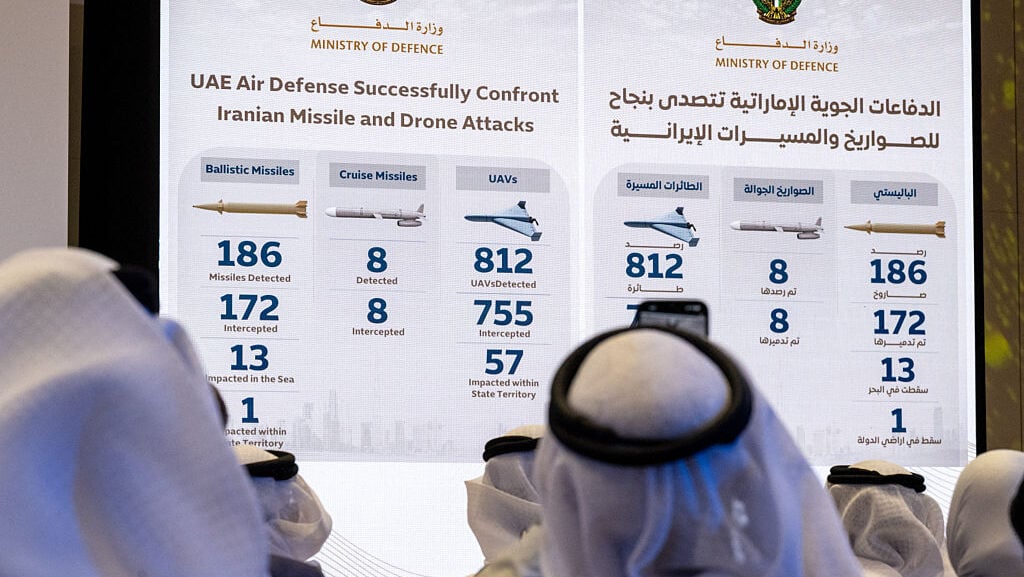
The UAE is facing an intensified wave of Iranian aggression yet has reduced public disclosure of its interception rates, raising concerns over operational security. This shift could indicate deepening security vulnerabilities amid rising tensions in the Gulf region.
The United Arab Emirates (UAE) is currently grappling with a significant increase in hostile actions attributed to Iran, particularly in the realm of drone and missile strikes. Reports indicate that Iranian forces have heightened their operations against UAE targets, leading to a marked strain on the Emirati military's defenses. In a surprising turn, the UAE has opted to limit the public sharing of its interception rates, posing questions about the effectiveness of its air defense systems.
The backdrop to this situation includes a history of escalating tensions between the UAE and Iran, particularly following events such as the 2019 attacks on Saudi oil facilities, which were widely attributed to Iranian proxies. The UAE's defense posture has traditionally relied on U.S. support and sophisticated air defense systems, including the American-made THAAD and Patriot missile systems, yet recent incidents suggest that Iranian capabilities may be evolving beyond what the UAE is prepared to counter effectively.
The significance of this development cannot be overstated. The UAE's decision to pull back on transparency regarding its interception success raises alarm bells about its operational readiness and the effectiveness of its defense systems in the face of Iran's growing military arsenal. With Iranian threat capabilities expanding, the shifting dynamics could embolden Tehran's regional ambitions, potentially destabilizing an already fragile security environment in the Gulf.
Key players in this scenario include the UAE government, which is likely motivated to maintain public confidence and international partnerships, and Iran, whose leadership views regional hostilities as a pathway to assert power and influence. The UAE's strategic communications pivot, downplaying interception statistics, illustrates a desire to project strength while navigating the looming threats posed by Iranian advances.
Operationally, the specifics of the UAE's defense capabilities include a mix of advanced radar systems and missile interceptions, with particular emphasis on the THAAD system, designed to engage in high-altitude threats at ranges of up to 200 kilometers. Recent investments in drone defense systems also signal an acknowledgment of new combat paradigms imposed by Iranian drone strikes, although exact figures for intercept rates have not been disclosed.
The consequences of this situation could be severe, as the reduction in interception reporting may embolden Iranian forces, leading to an escalation in attacks. Furthermore, regional allies may perceive this withdrawal as a signal of weakness, potentially prompting recalibrations in military partnerships and alignments. Increased Iranian activity could potentially escalate into direct confrontations, making the Strait of Hormuz a focal point for future military engagement.
Drawing parallels to the 2006 Lebanon War, where Israel's military faced unforeseen challenges against Hezbollah's asymmetrical warfare tactics, the UAE may find itself in a prolonged defensive posture regarding Iranian threats, challenging its previously perceived military dominance in the region. The lessons from that conflict underscore the unpredictable nature of asymmetrical warfare and the importance of clear strategic communication.
Moving forward, intelligence analysts should closely monitor the frequency and intensity of Iranian attacks against UAE assets and any subsequent changes in Emirati military strategy or capabilities. Key indicators to watch will include shifts in interception rates, increased military exercises, or the introduction of new partnerships in defense technologies, as the UAE seeks to bolster its operational security against growing Iranian threats.