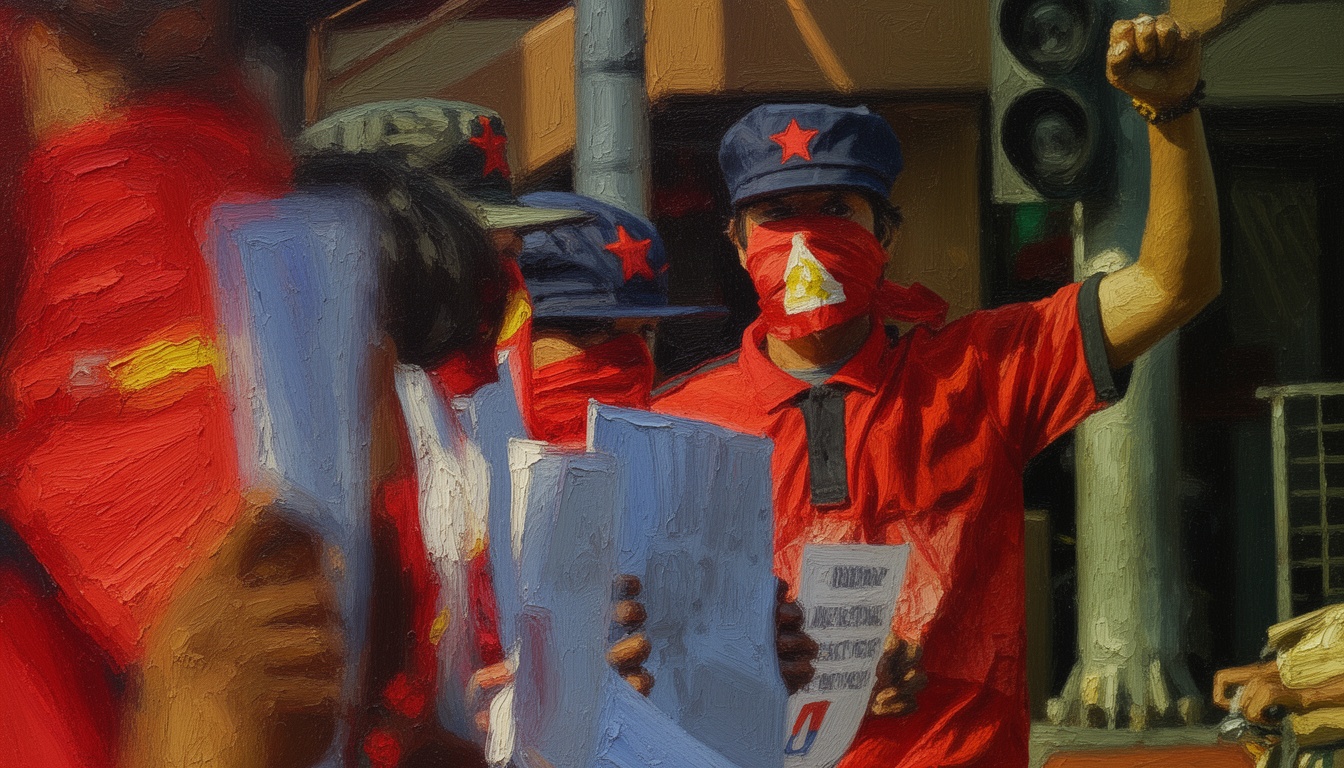
Two Americans among 19 killed in Philippine raid
A raid targeting an alleged communist stronghold in Negros Island left 19 dead, including two U.S. citizens. The incident prompted a rights commission probe and a mass displacement in the Toboso municipality. The event underscores ongoing insurgent tensions and the volatility of rural security operations in the Philippines.
Two United States citizens were killed in a raid on an alleged communist stronghold in the Philippines, a government task force reported. The operation also claimed the lives of 17 other individuals, leaving authorities to contend with casualty assessment and potential legal scrutiny. A rights commission has launched a formal probe into the incident, signaling the seriousness with which civilian protections are being treated in these counterinsurgency efforts.
Background in the region shows Toboso in Negros Island as a remote sugar cane-growing area with a history of insurgent activity. Local officials described the firefight as intense, with gunfire echoing across the municipality on April 19. In the wake of the clash, more than 300 residents fled their homes, seeking shelter as authorities attempted to establish casualty figures and secure the area. The precise operational objectives of the raid remain partially explained, fueling questions about targeting and proportionality in the use of force.
Strategically, the Negros operation highlights the Philippines’ ongoing challenge of balancing counterinsurgency with civilian safety in rural zones. The involvement of foreign nationals adds a layer of diplomatic sensitivity, potentially affecting international perceptions of the security campaign. This incident may influence the broader calculus of regional partners regarding support, risk assessment, and humanitarian protections in future operations.
Technical and operational details remain sparse in official disclosures. The government task force described the raid as aimed at an alleged base network; casualty counts are fixed at 19 dead in total, including the two American citizens. No verified data on weapons systems, unit composition, or precise engagement rules have been publicly released, leaving analysts to rely on procedural norms and past patterns of similar operations in the country. As investigations continue, questions persist about search-and-clearance methodologies, civilian evacuation protocols, and post-raid stabilization requirements for the affected communities.
Looking forward, the incident is likely to prompt renewed scrutiny of counterinsurgency practices and civilian protections in the Philippines. If the probe uncovers procedural shortcomings, there could be adjustments in engagement rules, risk assessments, and loss-minimization measures for future missions. Regional partners will monitor the findings for implications on interoperability, legal frameworks, and the political ramifications of foreign nationals being killed in such operations.