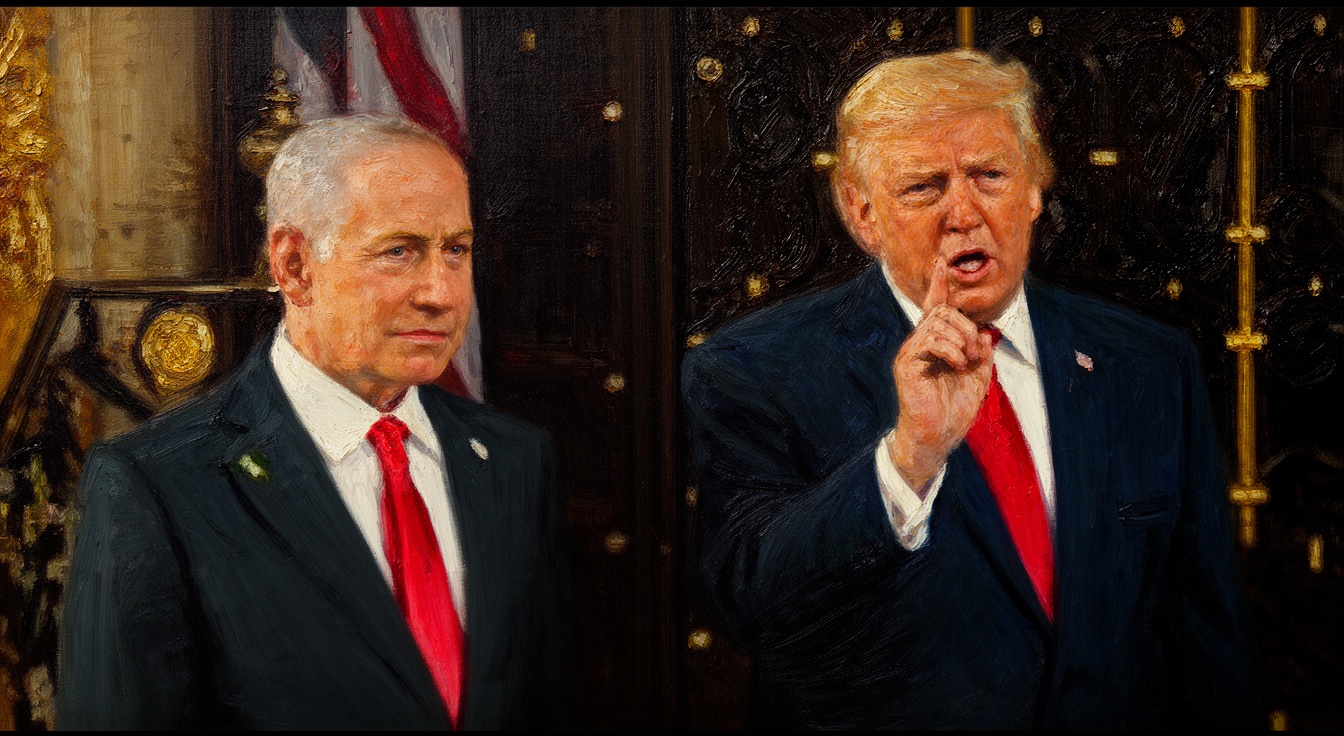
Trump's Lebanon ceasefire takes Israel by surprise
Strategic pause in Lebanon-under- Hezbollah dynamics surprises Jerusalem and Washington. The move reframes deterrence, signaling a possible shift in US policy toward a volatile security frontier. Long-term implications hinge on Hezbollah’s reaction and regional power calculus.
The Lebanon ceasefire initiative, attributed to President Trump's diplomacy, reverses recent trajectories and shocks Israel. It arrives as a declared halt intended to curb cross-border escalation with Hezbollah while prompting regional actors to reassess red lines. The core development is a political halt that could translate into a temporary security lull, but leaves the underlying dynamics intact. The immediate question is whether the truce holds or crumbles under pressure from hardline actors on both sides.
Context matters: Lebanon's security climate has long been shaped by Hezbollah's deterrent posture and Iran's regional influence. Previous cycles showed that truces often collapsed as actors tested limits and external sponsors recalibrated risk. The public narrative from Washington and Beirut suggests a scope for diplomatic maneuvering, yet both sides retain substantial leverage to reurge tit-for-tat actions if deterrence erodes. For Israel, the truce may reduce immediate bombardment risk, but it also complicates acceptable redlines and timing for future strikes.
Strategically, the ceasefire reframes threat calculations for the region. It constrains spontaneous misfires that could escalate into wider clashes, while increasing the importance of intelligence, timing, and political signaling. Washington’s involvement signals a desire to manage escalation through layered diplomacy rather than sheer military dominance. The balance now hinges on Hezbollah's assessment of risk versus reward in any provocation, and on whether Israel perceives credible avenues to preserve deterrence without triggering a broader war.
Operationally, the ceasefire implies a thaw in kinetic activity along the Lebanon-Israel border, but not a withdrawal of capabilities. Hezbollah's tactical posture, Iran's influence network, and Israeli counter-reconnaissance efforts will determine if calm endures. The underlying force structures— Hezbollah's mobilization reserves, Israeli air and ground readiness, and the regional airspace management— remain unchanged even as political constraints take precedence. Budgetary and equipment implications will emerge as actors translate diplomatic language into practical limits and monitoring.
Looking ahead, the most likely near-term trajectory is a fragile equilibrium punctuated by episodic incidents that test the ceasefire’s durability. If Hezbollah accepts the pause, the region could experience temporary breathing room and a window for negotiations on broader security arrangements. If provocations resume, the re-escalation risk will spike, triggering allied consultations and potential shifts in regional deterrence postures. The impact on regional stability will depend on how credible actors interpret the pause and whether external powers stay aligned or split over strategy.