Trump's Emotional Decision Drives US into Iran Conflict Crisis
President Trump's impulsive decision-making has escalated the US-Iran conflict to alarming levels. This approach risks broader regional instability and security consequences for global powers.
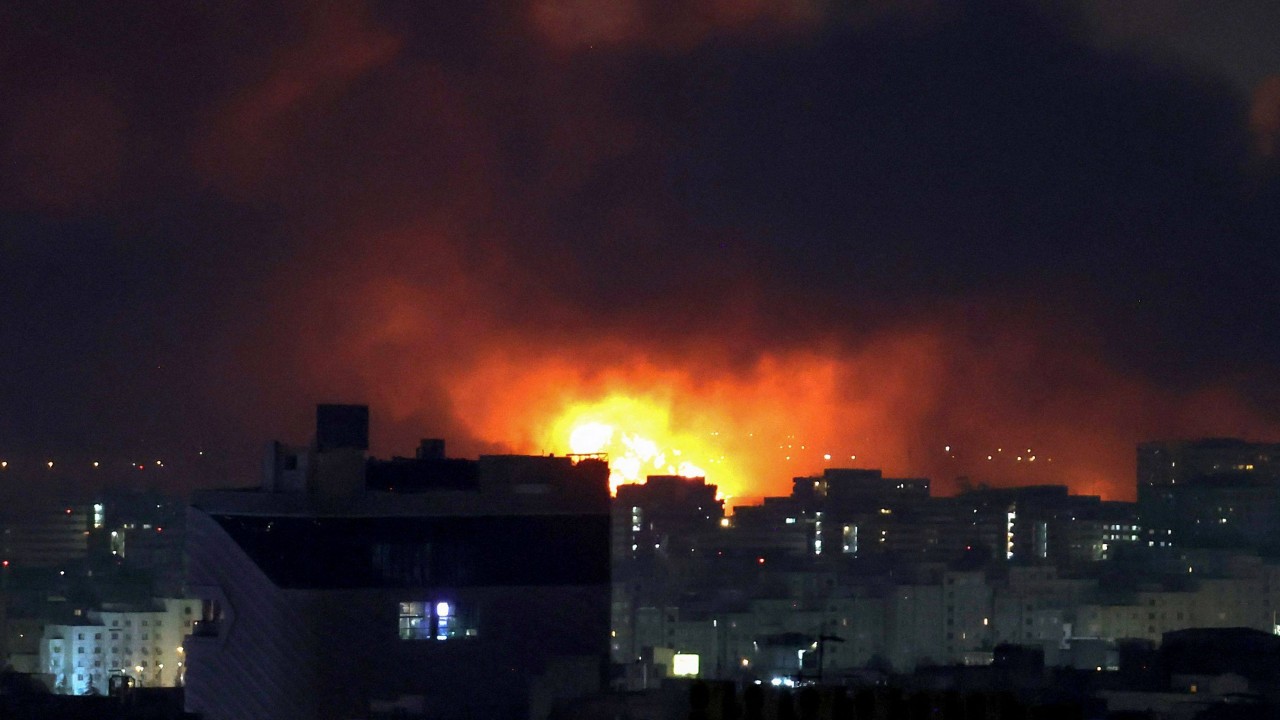
The United States has entered a significant conflict with Iran primarily due to President Donald Trump’s impulsive decision-making, prioritizing his 'feelings' over strategic rationale. Official White House communications feature a strikingly arrogant tone, dismissing substantive discourse in favor of emotional appeals. In statements made to the press, Trump himself boasted, 'I hope you’re impressed,' displaying an alarming level of detached self-aggrandizement as the situation worsens.
The current crisis follows a long history of escalating tensions between the US and Iran, driven by a series of provocations, including sanctions and military posturing. Since the US withdrawal from the Joint Comprehensive Plan of Action (JCPOA) in 2018, relations have deteriorated significantly, escalating skirmishes in the Gulf and attacks on US military bases in Iraq. Both nations seem locked in a downward spiral of retaliation, with the latest US airstrikes igniting widespread regional fears of a broader conflict.
This escalation is significant not only for Iranian and US security but also for all stakeholders in the region. The potential for military confrontation poses a major risk to global oil supplies, with the Strait of Hormuz — crucial for the transit of 20% of the world's oil supply — facing heightened security threats. Furthermore, the conflict could destabilize neighboring countries like Iraq and Syria, exposing vulnerabilities in the fragile geopolitical balance.
Key actors in this unfolding drama include the Iranian Revolutionary Guard Corps (IRGC), which has vowed retaliation, and the US military, which continues to bolster its presence in the region. Trump's motivations appear to revolve around a desire for a show of strength, both domestically and internationally, at a time when his administration faces immense pressure from political opposition and global scrutiny over its foreign policy.
The situation is further complicated by the deployment of advanced military hardware. The US has increased its naval presence in the Persian Gulf, deploying vessels like the USS Abraham Lincoln aircraft carrier strike group. As both sides bolster capabilities, the risk of miscalculation, leading to an unintended military engagement, rises dramatically. The Trump administration's reliance on emotional rhetoric in the face of complex geopolitical realities is both dangerous and reckless.
The likely consequences include an escalation of hostilities between Iranian and US forces, with a significant risk of collateral damage to civilian populations. Should a full-scale conflict erupt, analysts warn it could engulf regional allies such as Israel and Saudi Arabia, further destabilizing the Middle East. The odds of regional conflicts spilling into international theaters also increase, implicating major powers who have strategic partnerships or vested interests in the area.
Historically, the US-Iran conflict echoes earlier crises, such as the Gulf of Tonkin incident, which propelled the US into the Vietnam War under dubious justifications. The historical precedent of engaging based on perceived threats rather than solid intelligence illustrates how impulsive decision-making can spiral out of control, leading to protracted and costly conflicts.
In the weeks to come, key indicators to monitor will include Iranian military movements, US troop deployments, and shifts in oil prices—essential signals that could elucidate the trajectory of this crisis. Observers should remain vigilant for any diplomatic overtures or further military actions, as both escalation and resolution remain precariously poised on the actions taken by key stakeholders in this high-stakes standoff.