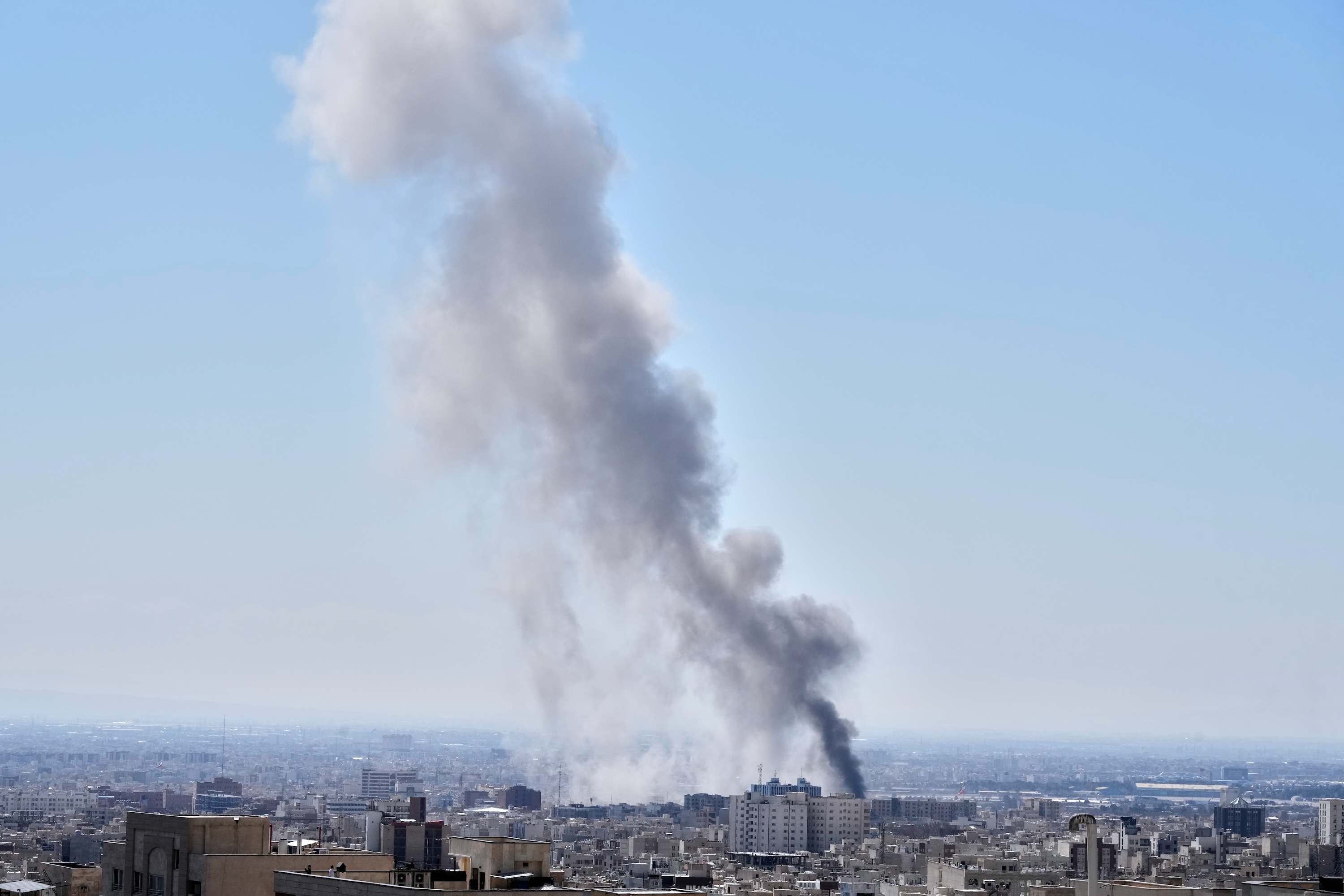
Trump Vows Retaliation as US and Israel Bomb Iran Following US Casualties
The U.S. and Israel have intensified airstrikes against Iran, escalating tensions after the deaths of three American service members. Trump's threat of further retaliation signals a dangerous escalation in U.S.-Iran relations, risking a wider conflict.
The U.S., in coordination with Israel, has launched a series of airstrikes against Iranian targets, culminating in a substantial military response following the deaths of three U.S. service members. President Trump has openly vowed to 'avenge' these casualties, warning that there will likely be more American lives lost as the conflict progresses. This escalation marks a significant turning point in U.S.-Iran relations, with potential ramifications for regional stability and international alliances.
The backdrop to this crisis includes decades of hostility between the U.S. and Iran, intensified by Iran's military activities in the region and its pursuit of nuclear capabilities. The death of U.S. personnel has triggered a renewed urgency for American military action, converging with ongoing Israeli operations aimed at countering Iranian influence in Syria and Lebanon. The intricate web of alliances and animosities in the region fuels an environment ripe for miscalculation and escalation.
This situation is globally significant not only due to the potential for broader military engagement but also because it underscores vulnerabilities in U.S. military deployments and Iranian strategic resilience. The high-stakes gambit could destabilize entire regions, particularly the Gulf, where any extended conflict may hinder oil supplies and provoke reactions from other global powers. Furthermore, increased Iranian aggression in response could incite more violent reprisals from the U.S. and its allies.
Key actors in this crisis include the Iranian regime, which seeks to assert its power through unconventional warfare and asymmetric tactics. Meanwhile, Trump's administration appears focused on demonstrating strength in the face of casualties, viewing decisive military action as a way to reinforce U.S. credibility abroad. This confrontation also serves Trump’s political narrative as he seeks to project an image of toughness ahead of elections.
Operationally, the U.S. has deployed advanced missile systems and increased air assets in the region, enhancing its capacity for further strikes. Intelligence suggests that as many as 100 precision-guided munitions are being prepared for deployment, potentially targeting Iranian military installations linked to missile programs. The financial costs of these operations could soar, with estimates indicating a potential expenditure in the billions should an extended campaign occur.
The implications of this confrontation could lead to severe escalation, particularly if Iran retaliates against U.S. or allied assets in the region. A cycle of retaliation could spiral into a broader military conflict, dragging in numerous international players and destabilizing the Middle East further. The potential for direct confrontations, whether in Iraq, Syria, or through proxy forces elsewhere, cannot be underestimated.
Historically, parallels can be drawn to the events leading up to the Iraq War, where military engagement was predicated on casualties and perceived threats. The situation recalls the quick escalation of conflicts with limited objectives that ultimately led to prolonged engagements. Moreover, past U.S. responses to Iranian provocations signal a strategy of limited strikes followed by conditional negotiations, indicating a potential pattern in this renewed crisis.
Looking ahead, key indicators to monitor include troop movements in the region, increased Iranian militia activities in Iraq and Syria, and any signs of diplomatic overtures from either side. Observers should also watch for updates regarding U.S. air defense capabilities and heightened alert statuses among military commands. A full-scale military confrontation remains a looming threat, and developments over the upcoming weeks will prove crucial for understanding the future trajectory of U.S.-Iran relations.