Trump Threatens Total Trade Shutdown with Spain Over Iran Strategy
Trump's declaration to sever trade with Spain escalates diplomatic tensions and undermines NATO unity. Spain's rebuke signals potential for broader economic fallout as Washington's military ambitions clash with European commitments.
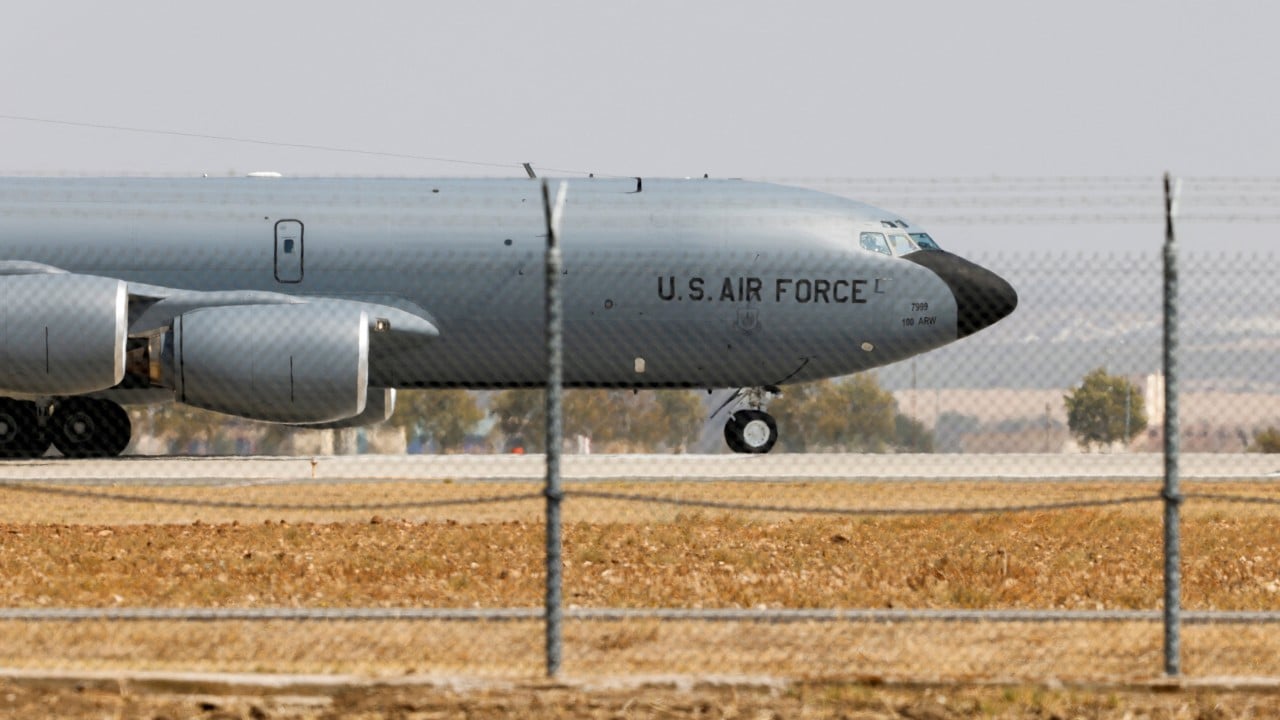
Donald Trump declared an intention to sever all trade ties with Spain following the country's refusal to grant access to its military bases for a bombing campaign against Iran. This provocative stance amplifies tensions not only between the U.S. and Spain but also highlights the fractured alliances within NATO concerning the Middle East conflict. Trump's inflammatory rhetoric during a White House meeting reflects a growing disregard for diplomatic protocols in pursuit of his administration's military objectives.
Historically, Spain and the U.S. have maintained strong military and economic ties, particularly within the context of NATO and shared counterterrorism efforts. However, Spain's recent rejection of U.S. military requests marks a significant pivot in its foreign policy, illustrating its growing reluctance to engage in operations perceived to be driven by unilateral U.S. interests. The backdrop of this crisis can be traced to Spain’s increasing sensitivity regarding its military posture in light of European stability and its desire to prevent regional escalation.
This threat to halt trade poses a profound global security risk, potentially destabilizing established economic relationships in Europe while undermining U.S. influence within NATO. Spain's refusal signals a rift in alliances and powder keg dynamics that could invite further geopolitical fractures, especially as member nations assess the repercussions of backing U.S. military interventions. Trump's reckless ultimatum broadcasts a willingness to prioritize aggression over diplomacy, raising alarm bells among global leaders.
Key players in this confrontation include President Trump, whose aggressive foreign policy is emblematic of his administration's approach, and Spanish officials who prioritize their national sovereignty and adherence to international agreements. Spain’s swift rebuke underscores a broader European apprehension regarding American military endeavors, prompting questions about the reliability of U.S. assurances. Paradoxically, Trump's trade threat appears like a clumsy weapon instead of diplomacy, damaging longstanding relations rather than addressing the root causes of dissent.
Details concerning potential economic fallout remain vague; Trump’s plan to implement a trade ban could involve significant tariffs on Spanish imports and a cessation of American exports, which last year were valued at approximately $19 billion. Items at risk could include machinery and pharmaceuticals, further complicating supply chains amid the economic recovery from the COVID-19 pandemic. Speculation over the exact implementation timeline raises uncertainty about both nations' short-term market stability.
The implications of Trump's threats extend beyond immediate trade concerns, threatening to escalate into broader clashes both in economic terms and on military fronts. Spain's firm stance could embolden other NATO countries to reconsider their military collaborations with the U.S., increasingly isolating the Trump administration's approach. Moreover, a failure to resolve this trade spat may result in retaliatory measures from Spain, plunging both countries into a trade war that distracts from pressing global security issues.
Historically, this scenario recalls past economic confrontations, such as the 2002 U.S. sanctions against EU members for their opposition to the Iraq War, which disrupted trade and alliances. Echoes of this trade standoff could resonate throughout NATO, prompting members to reconsider their defense commitments and engagements with U.S. strategies. This incident serves as a grim reminder of how quickly economic relationships can sour amid military embarrassments.
In the near term, stakeholders should scrutinize potential shifts in Spanish defense policy and alliances, with specific attention on any bilateral agreements that may unravel as a result of this standoff. Key intelligence indicators will likely involve shifts in military readiness, changes in trade volumes between the U.S. and Spain, and responses from other NATO countries as they assess their positions amid the fallout. Watch for a possible escalation in rhetoric from the White House as well as responses from European Union officials seeking a collective path to mitigate the diplomatic crisis.