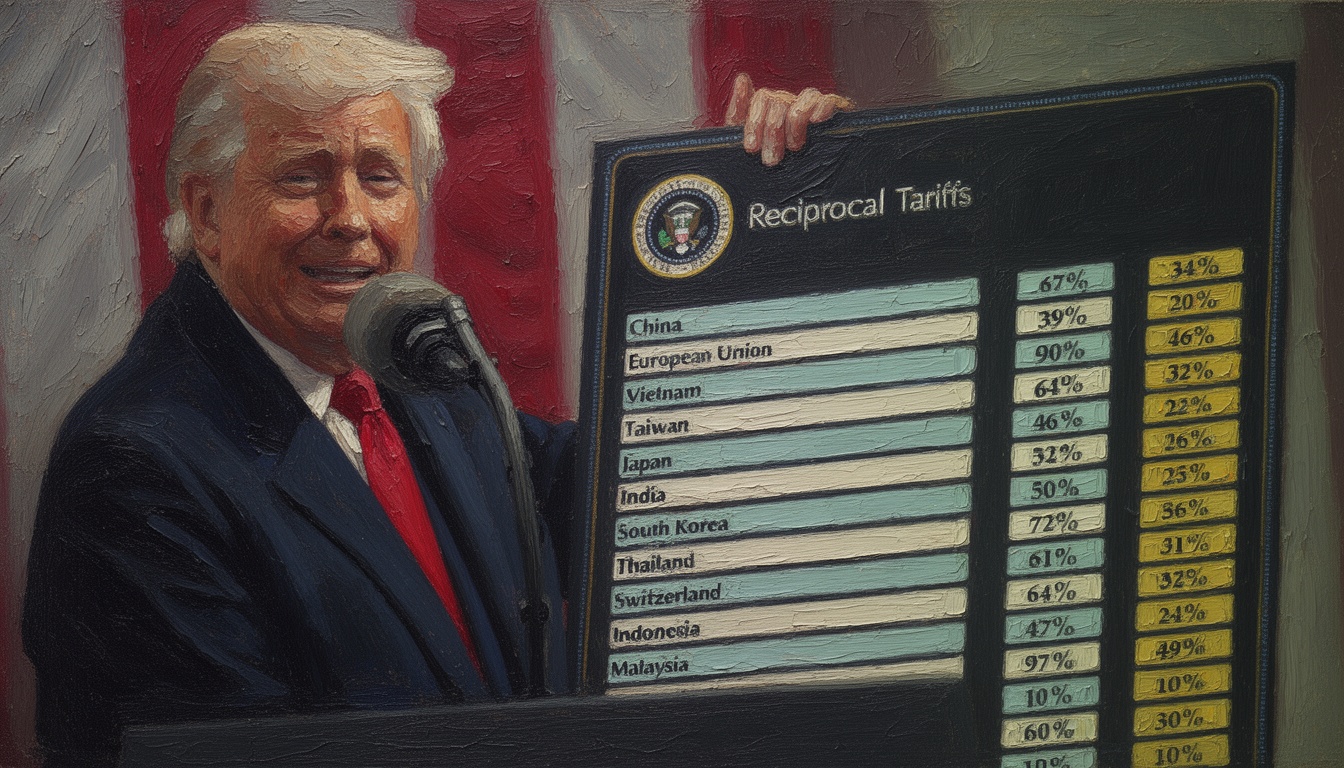
Trump Tariffs Fail to Shake Global Defense Industry One Year Later
Trump-era tariffs have limited impact on the global defense industrial base due to exemptions. Despite initial fears, the defense sector avoids major financial disruption, preserving supply chains and innovation.
One year after the imposition of tariffs by the Trump administration, the global defense industry shows few signs of financial disruption. Exemptions and waivers largely shielded critical defense contractors from the punitive tariffs, muting economic effects. Experts from multiple countries acknowledge the resilience of supply chains amid these protectionist measures.
The tariffs, initially introduced to pressure foreign manufacturers and suppliers, posed a threat to defense procurement and development worldwide. Defense officials feared increased costs for materials such as steel and aluminum, potentially delaying key military programs and innovation projects.
Strategically, the muted impact highlights the defense sector's ability to navigate economic barriers without compromising readiness or technological advancement. Major military powers rely on diversified global supply chains that adjust quickly to tariff risks, diffusing potential crises.
Technically, the tariffs targeted steel and aluminum imports essential for building military platforms and weapons systems. Waivers for defense-related imports ensured uninterrupted access to critical components. Industry leaders maintained investments, with defense R&D budgets largely unaffected by trade tensions.
Going forward, the tariff episode underscores the need for cautious trade policies regarding defense materials. Allies and partners remain vigilant to maintain uninterrupted supply chains amid geopolitical trade disputes. The defense industrial base continues adapting to both economic and security challenges without clear adverse financial fallout.