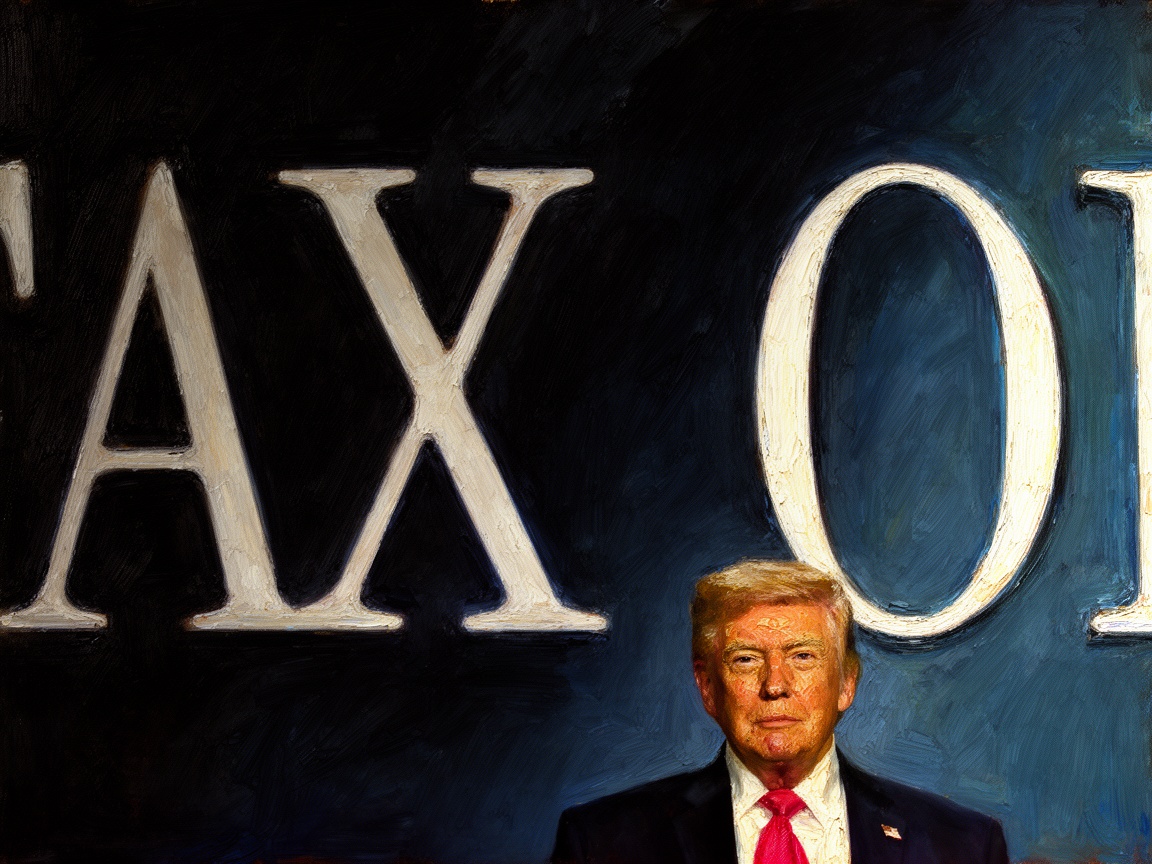
Trump signals Iran concessions ahead of talks, Hormuz remains in play
Trump’s social posts claim Iran will abandon nuclear material and vow to keep the Hormuz chokepoint open. The statements set the stage for potential US-Iran talks, but the posture invites heavy skepticism over verifiable disarmament and regional guarantees. The international security implications hinge on whether Washington translates rhetoric into verifiable concessions and enforceable commitments.
English
Trump has stoked expectations of possible US-Iran talks by posting a sequence of assertive claims about Tehran’s future behavior. He web-published a rapid-fire set of messages stating that Iran will give up nuclear material and that Hormuz will never be closed. The tone signals a hardened bargaining posture, but the public comments stop short of any verifiable framework or enforcement mechanism. The statements raise questions about credibility, verification, and the sequencing of any diplomacy with Tehran.
Background context involves longstanding US demands for Iran to abandon nuclear ambitions, trusted in part through inspections and compliance with international limits. Iran’s behavior, regional proxies, and its ballistic missile program all factor into how any negotiations could unfold. The last several years have seen fluctuations in US policy, economic pressure, and regional deterrence postures that complicate the path to diplomacy. Analysts will closely watch how domestic politics in Washington interact with Tehran’s red lines.
Strategically, the statements touch the core deterrence logic in the Gulf: the balance between Tehran’s breakout risk and Washington’s extended deterrence. If the Hormuz claim translates into tangible commitments, regional risk could ease marginally, but only if accompanied by intrusive verification and credible guarantees. Absent such measures, a diplomatic overture could become a bargaining chip rather than a durable settlement. The dynamic also affects allied calculations in the region, from Gulf states to Israel and beyond.
Technical/operational details are sparse in the posts themselves. No specific verification regime, inspection frequency, or monitoring technology is outlined. The rhetoric implies a potential framework for disarmament discussions, but without concrete numbers, timelines, or compliance triggers. Budgetary allocations, long-range diplomacy, and cooperation on security infrastructure would likely accompany any formal talks if they proceed.
Consequences and forward assessment suggest a high-stakes test of credibility for both Washington and Tehran. If talks occur, expect intense scrutiny of each side’s credibility, verification access, and enforcement mechanisms. Short-term market and political volatility could rise with every diplomatic signal, while long-term stability depends on verifiable steps and regional reassurance for Gulf partners.