Trump Proposes $1.5tn Defense Boost Cuts Domestic Spending 10%
The Trump administration demands a $1.5 trillion jump in defense budget, cutting domestic programs by 10%. This marks a sharp shift prioritizing military expansion over civilian needs, impacting global defense dynamics.
President Trump unveiled a $1.5 trillion defense budget request aimed at massively expanding U.S. military capabilities. This budget proposal simultaneously cuts non-defense spending by 10%, notably slashing funding for domestic social programs. The aggressive reallocation of funds signals a hard pivot toward warfighting readiness amid rising global tensions.
The administration's push for increased defense spending comes as great power competition intensifies, notably with China and Russia modernizing their arsenals. The budget highlights priorities including modern nuclear forces, cyber capabilities, and advanced missile systems. Concurrent removal of domestic funds deepens political division over national priorities.
Strategically, this massive defense investment widens the military-industrial complex’s footprint, consolidating U.S. edge in major weapons platforms and force modernization. The cuts to civilian spending, however, risk undermining social stability and domestic support for military expansion. The approach foreshadows sharper geopolitical rivalry and militarization.
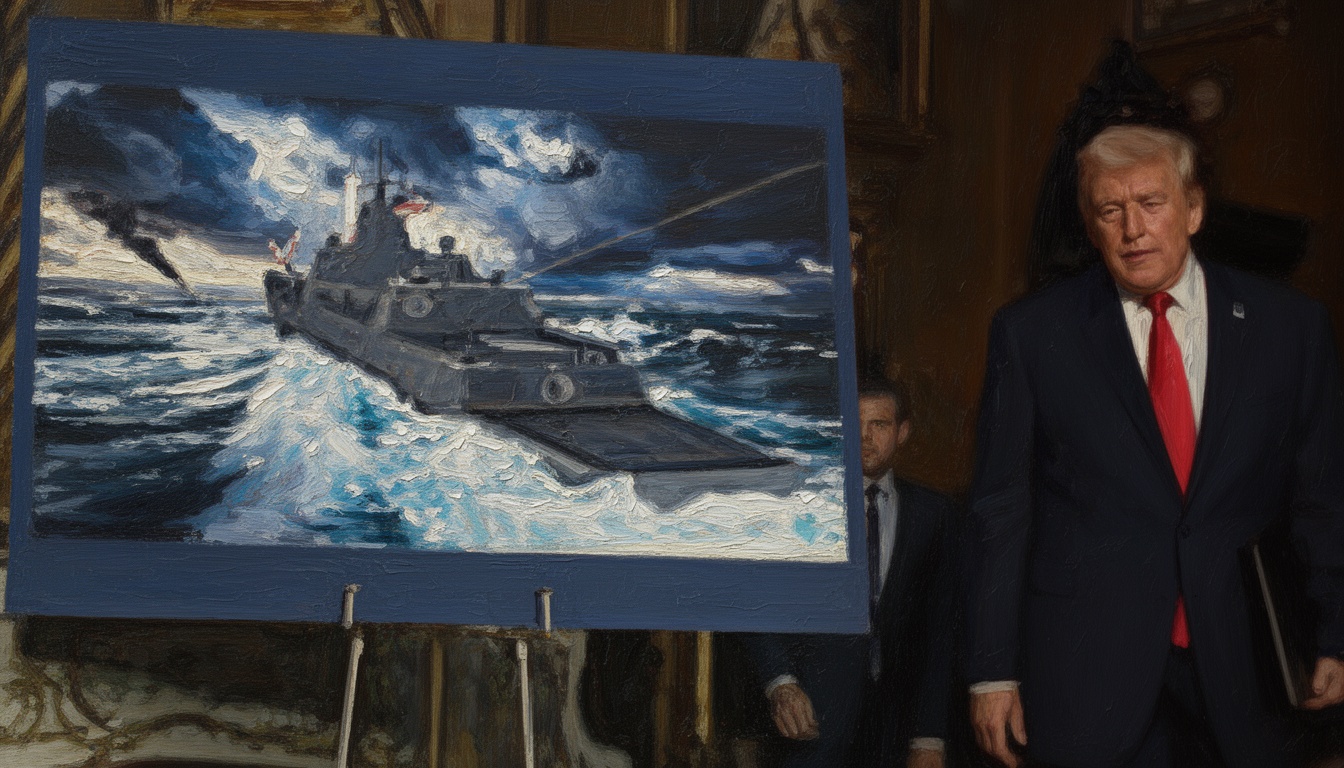
The $1.5 trillion request allocates billions to next-generation stealth aircraft, hypersonic weapon research, and expanded naval shipbuilding programs. Meanwhile, cuts target healthcare, education, and infrastructure budgets, reducing non-military federal outlays significantly. The plan intends to accelerate force readiness and extend U.S. global reach over the next decade.
Next steps will reveal congressional resistance or approval, with potential for sharp battles over domestic priorities versus military buildup. The scale of defense funding proposed will significantly impact U.S. defense posture and signal a more confrontational stance internationally. This budget escalates militarization amid fragile global peace.