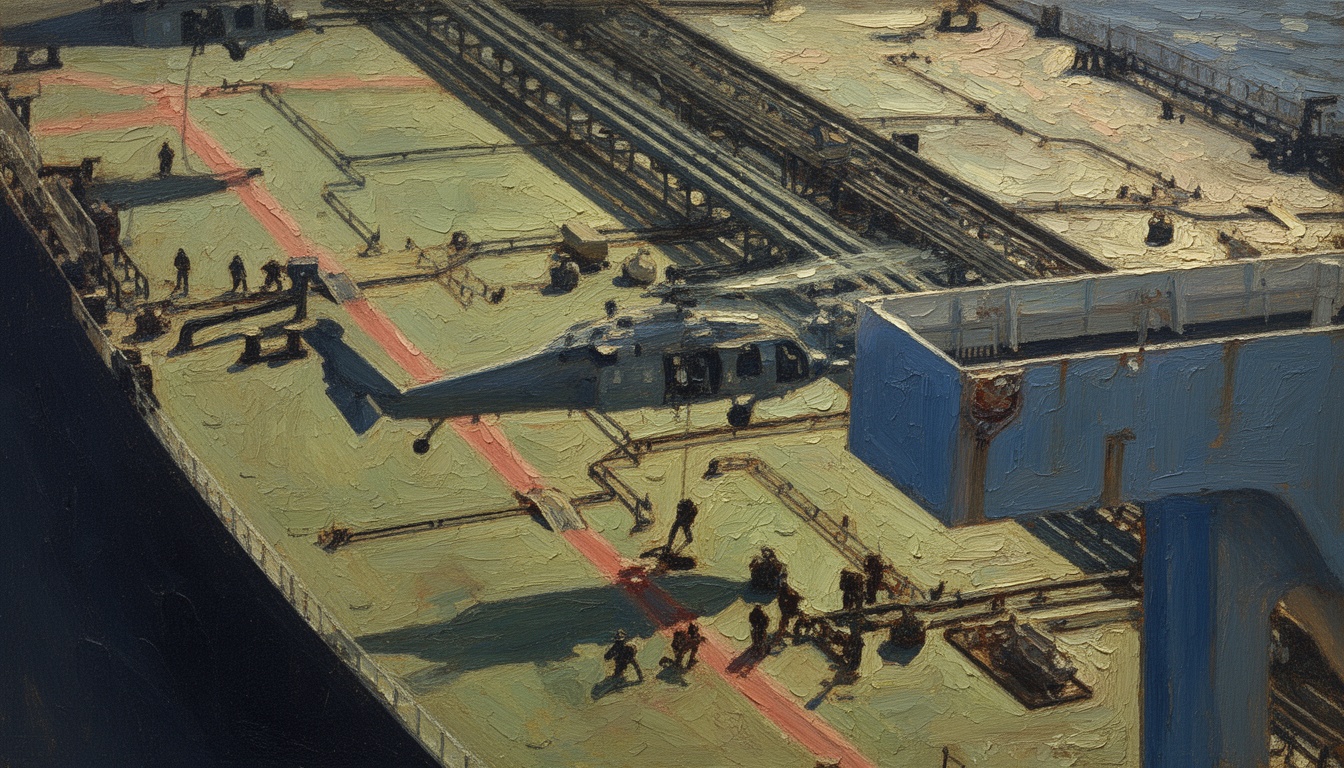
Trump orders sinking of Iranian mine-layers in Hormuz Strait
Urban crisis escalates as Washington signals military options to counter Iran’s mine-laying in the Strait of Hormuz. The move heightens risk of open naval engagement and threatens the Gulf ceasefire amid global oil and markets volatility.
The President has ordered the US Navy to destroy any Iranian vessel caught laying mines in the Strait of Hormuz. This directive marks a sharp escalation in a standoff that already strains the Gulf security architecture and global energy flows. The transfer of this command to maritime forces raises the risk of a direct clash at sea, with potential for rapid escalation if mines are deployed or if miscalculation occurs. The situation underscores a fragile ceasefire framework that could unravel under renewed Atlantic-Pacific pressure and regional maneuvering. The immediate consequence is a sharpened deterrent posture aimed at intercepting threats before they can threaten critical shipping lanes.
Background: For months, the Hormuz corridor has been a flashpoint in the wider US-Iran confrontation. Iran has repeatedly tested naval norms near the strait, while US naval operations have sought to deter provocative actions and ensure freedom of navigation. The current order comes as the broader Gulf stand-off continues to disrupt global trade and weigh on energy markets. Analysts warn that any mining activity would dramatically raise the potential for miscalculation and accidental escalation, pulling in regional actors and third-country fleets.
Strategic significance: The Strait of Hormuz remains a chokepoint that, if closed or obstructed, could force price shocks across global markets. A successful interdiction of mine-laying craft would signal a willingness to enforce denial of access, sharpening the deterrent effect against future provocations. Conversely, an incident at sea could trigger reciprocal measures, widening the conflict beyond bilateral lines and complicating international diplomacy aimed at stabilizing the region. The move also tests the resilience of the current ceasefire framework and regional security architectures reliant on maritime freedom of operation.
Technical/operational details: The order directs US naval assets in the region to engage vessels suspected of laying mines, with rules of engagement calibrated for rapid neutralization. Mine-countermeasure readiness, surveillance overflight, and coordinated naval patrols in the Strait of Hormuz would be prioritized to detect and disrupt mine-laying activities. The operational tempo would likely increase, drawing on airborne and surface assets to locate threatens and prevent exploitation of shipping lanes. Budgetary and procurement implications hinge on rapid deployment and sustainment of counter-mine capabilities in an increasingly contested theatre.
Consequences and forward assessment: The policy choice raises the probability of a maritime confrontation, which could disrupt crude flows and ripple through global markets. International reactions will shape the level of diplomatic pressure available to de-escalate or constrain future actions. If the goal is to preserve the ceasefire, the focus will shift to verification and risk-reduction measures at sea, coupled with calibrated punitive actions against confirmed provocations. The coming days will reveal whether this order deters further mine-laying or provokes a broader crisis with uncertain global economic consequences.