Trump Honors Soldiers, But Medal of Honor Controversy Persists
The awarding of the Medal of Honor highlights ongoing debates over military valor and recognition processes. The choices of honorees from different conflicts underscore unresolved issues of justice and acknowledgment in U.S. military history.
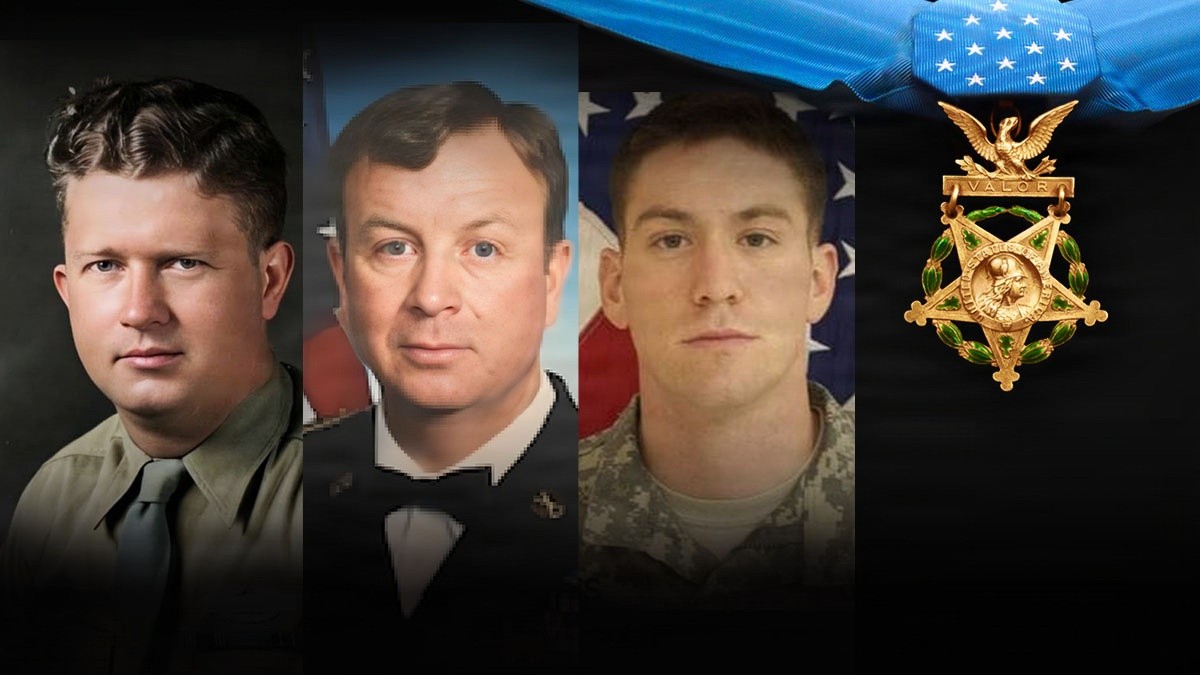
President Trump awarded the Medal of Honor to three soldiers, including Allan J. Kellermann for World War II, John E. McCain III for Vietnam, and a posthumous honor for David T. McCarthy, who fell in Afghanistan. This ceremony has reignited discussions about the significance and consistency of military accolades, often overshadowed by the complexities of each veteran's service record and the respective wars they fought in.
Allan Kellermann was recognized for extraordinary heroism during a pivotal battle in World War II, while McCain's legacy, rooted in his lengthy imprisonment and refusal to be released before other captives, still stirs controversy surrounding the Vietnam War. David McCarthy's recognition, a posthumous award, serves as a poignant reminder of the sacrifices made in the ongoing conflict in Afghanistan, which has faced criticism regarding its duration and purpose.
This event is significant as it illustrates profound questions about military recognition and its implications for current defense policy. The contrasting natures of the wars represented by these soldiers showcase the shifting landscape of American military engagements and the public's perception of valor across generations, often influenced by contemporaneous political climates and military strategies.
Key players in this scenario include the Pentagon, which shapes the criteria and processes for Medal of Honor nominations. Furthermore, Trump’s politicization of military accolades raises the stakes for how these awards are perceived not only domestically but also internationally, potentially undermining the honor of such recognitions when associated with partisan agendas.
Details such as the specific feats leading to each award underscore the valor and sacrifice involved but also reflect the complexities of a defense narrative that often gets lost amid political rhetoric. The total number of Medals of Honor awarded remains at around 3,500 since its inception, raising questions about the criteria behind each selection and the implications for current military personnel.
Anticipated consequences include heightened scrutiny over future nominations and awards as debates intensify around who truly deserves the nation's highest military honor. The politicization of such awards could deepen divides among military families and veterans, with potential ramifications for morale and public trust in military evaluations.
Historically, battles over medal recognitions have often served as flashpoints for broader societal issues. The awarding of the Medal of Honor has previously led to public outrage and demands for transparency, with moments in history where certain groups felt marginalized or overlooked.
Going forward, observers should monitor upcoming military honors and the criteria employed in selections. Any further allegations of politicization could trigger backlash, impacting the integrity of the medals and leading to calls for reform in the award process itself.