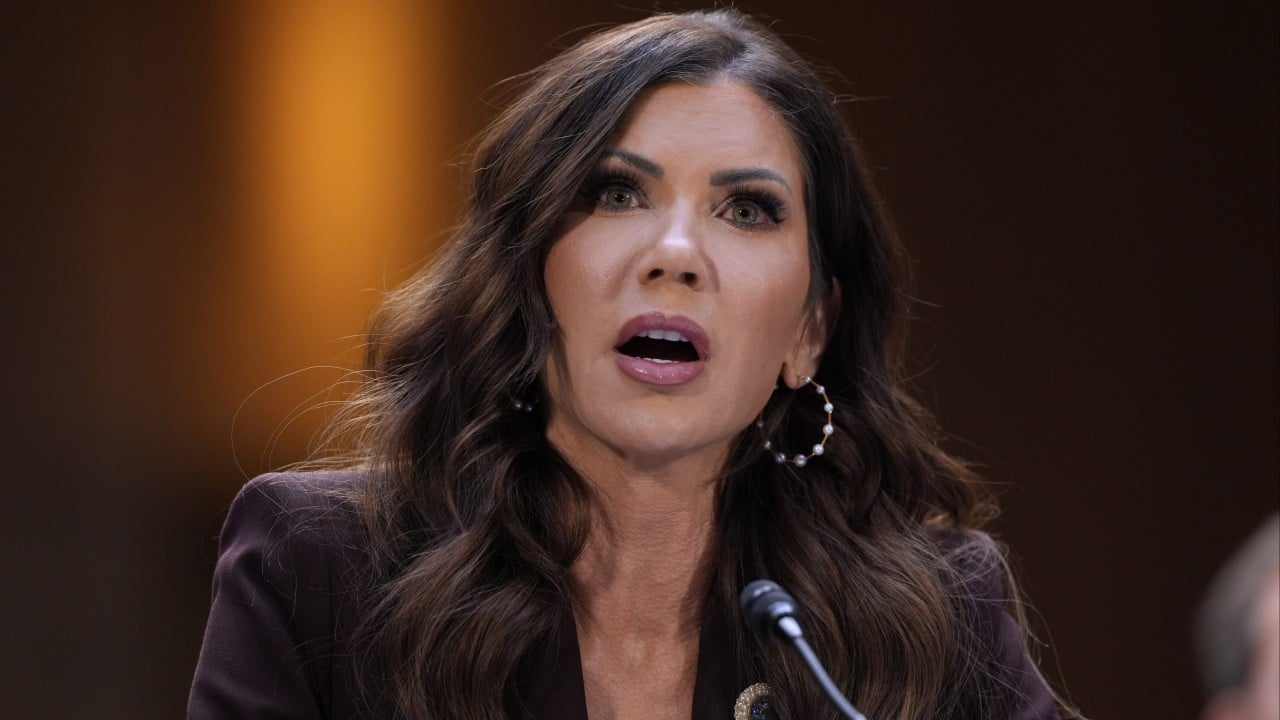
Trump Fires Homeland Security Chief Noem During Immigration Crisis
Kristi Noem's removal as Secretary of Homeland Security amid immigration turmoil underscores instability in U.S. immigration policy. Markwayne Mullin's appointment shifts the focus as enforcement intensifies.
Homeland Security Secretary Kristi Noem has been abruptly removed from her position during a critical immigration crisis, with President Donald Trump announcing her departure and the appointment of Oklahoma Senator Markwayne Mullin as her successor effective March 31. Noem, a pivotal figure in Trump's immigration enforcement strategy, was seen as instrumental in spearheading the administration's aggressive policies aimed at stemming illegal immigration and border crossings.
Noem's tenure was marked by mounting scrutiny over the U.S. southern border crisis, with illegal crossings reaching record highs. Her departure comes against the backdrop of intense public and political backlash over the administration's handling of immigration issues, including the treatment of migrants and insufficient border security measures. The shift raises alarms about a drifting immigration agenda just as Trump publicly lauds the need for steadfast control over the border amid rising political pressures.
The implications of this personnel shakeup extend beyond mere administration aesthetics; it highlights foundational fractures within Trump's immigration approach. With illegal border crossings having surged since the beginning of the year, the ongoing crisis reveals vulnerabilities within the enforcement framework. As election visibility intensifies, the Biden administration’s policies are creating significant operational rifts that Trump’s team must address rapidly or risk losing voter confidence.
Key actors in this situation include Trump, who is likely seeking to reposition his administration towards a more hardline stance on immigration, and the newly appointed Mullin, who will have to demonstrate immediate results to validate his selection. It remains unclear whether Mullin’s past priorities align with an expedited solution to the current immigration debacle or if they will lead to a continuation of the confused and inconsistent policies that have marked the Trump era.
Operationally, Noem's removal may lead to shifts not only in personnel but also in the strategies employed at the Department of Homeland Security (DHS). Under Noem, rigid policies were prioritized, but incoming Secretary Mullin may inject a new urgency for increasing ICE (Immigration and Customs Enforcement) budget allocations, and technological advancements along the border, including enhanced surveillance and tracking systems.
Looking ahead, potential consequences of Noem’s dismissal could escalate tensions at the U.S.-Mexico border. Changing leadership during a time of crisis may lead to a temporary lull in decisive action, emboldening migrant crossings, or it may catalyze an even more pronounced crackdown. With enforcement measures already strained, any missteps could provide ammunition to both political opponents and advocacy groups.
Historically, leadership pivots during key crises often exacerbate instability and delineate clear divides in policy direction. Trump's administration has seen numerous changes in top DHS personnel in past years, fueling narratives of chaos and indecision. As seen in previous administrations faced with unrest at the border, such shifts can contribute to a larger narrative of failing immigration policy.
In the immediate future, attention should focus on Mullin's early decisions and public statements, particularly regarding the allocation of DHS resources and enforcement priorities. Key indicators to watch will include changes in border security funding, congressional responses to the personnel changes, and any shifts in illegal crossing statistics, which may illuminate the effectiveness of the new leadership under pressure.