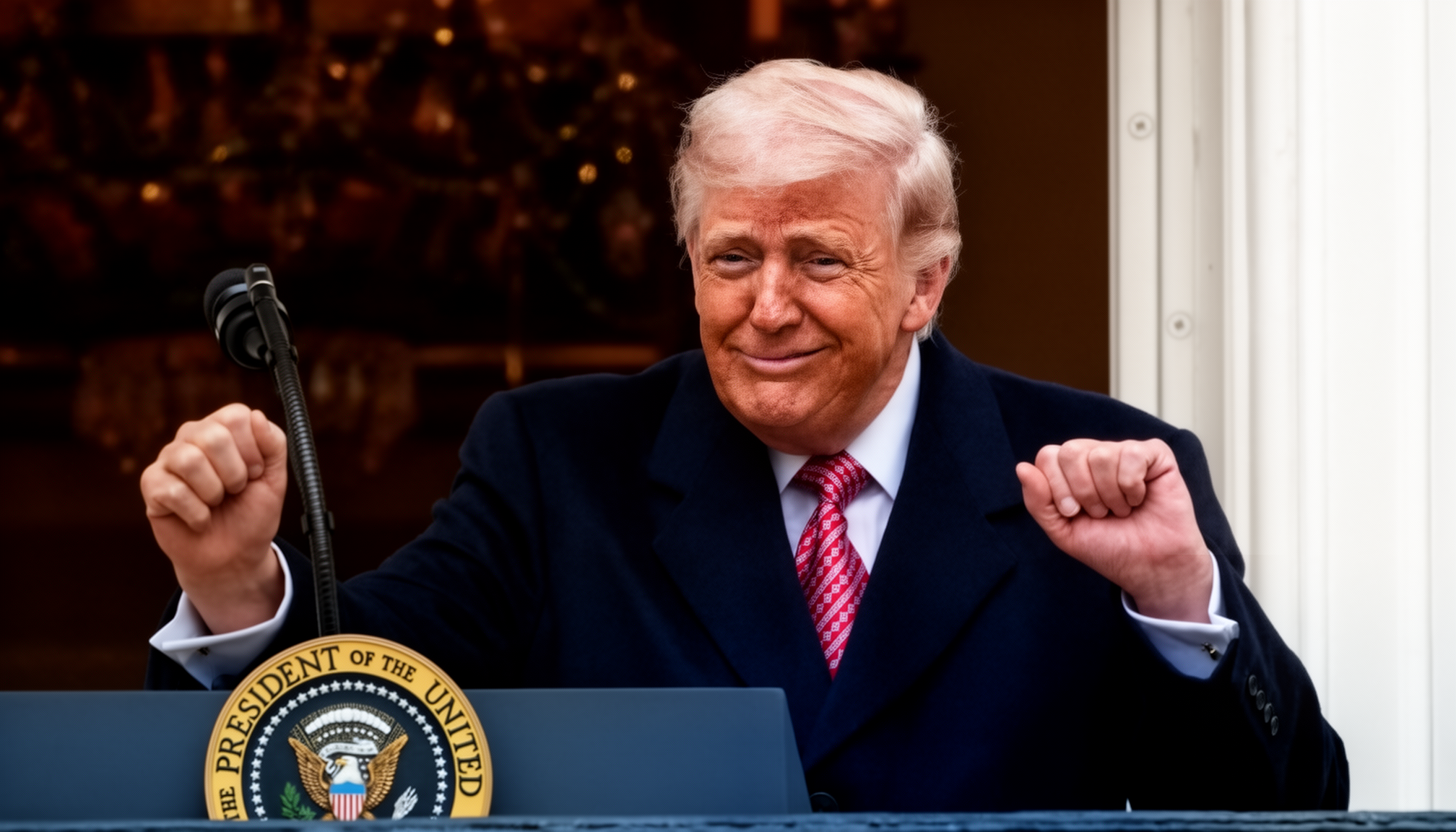
Trump Claims $40B Soybean Win Over China Before Xi Summit
President Trump touts $40 billion soybean exports to China as a major victory ahead of his face-to-face summit with Xi Jinping, aiming to shore up farm-state support before the US midterms. This follows years of damaging tariffs and trade tension that hit American farmers hard, with China as the key market in the trade war. The claim intensifies the US-China competition narrative and highlights agriculture's role in geopolitics.
President Donald Trump declared a major triumph in trade relations with China by touting that US farmers now export over $40 billion worth of soybeans to China. This claim came days before his delayed and consequential summit with Chinese President Xi Jinping scheduled in mid-May in Beijing. Trump framed the milestone as a critical win for American farmers who were heavily impacted by tariffs and retaliatory trade barriers.
The backdrop involves a bitter trade war initiated in 2018 that saw tit-for-tat tariffs disrupt agricultural exports, including soybeans—a crucial American commodity for China. Farmers in the US, particularly in midwestern states, suffered since China was the largest buyer of soybeans. Trump’s administration pursued a phase one trade deal in early 2020 which included agricultural commitments from Beijing to increase purchases.
Strategically, Trump’s celebration of this $40 billion figure is a clear election strategy targeting farm-state voters ahead of the US midterm elections later this year. Agriculture remains a strategic sector in the US-China rivalry with food supply chains and export markets used as leverage. Showcasing gains with China helps Trump claim success in his tough stance while signalling resilience to domestic constituents worried about the ongoing economic competition.
Technically, the surge in soybean exports reflects both tariff reductions under the phase one trade deal and increased demand from China as it replenishes reserves following African Swine Fever setbacks to its pork industry. China committed to purchase $32 billion in agricultural goods annually as part of the deal, with soybeans making up the largest single crop purchase. However, ongoing geopolitical risks and Covid-19 disruptions could still threaten sustained trade levels.
The summit with Xi Jinping will test if this trade momentum holds or deteriorates amid broader geopolitical tensions including Taiwan and the South China Sea. Any breakthrough could stabilize strained economic ties but failure risks renewed escalation. For US farmers, this headline figure offers hope but caution lingers on sustainable access to China’s vast agriculture market going forward.