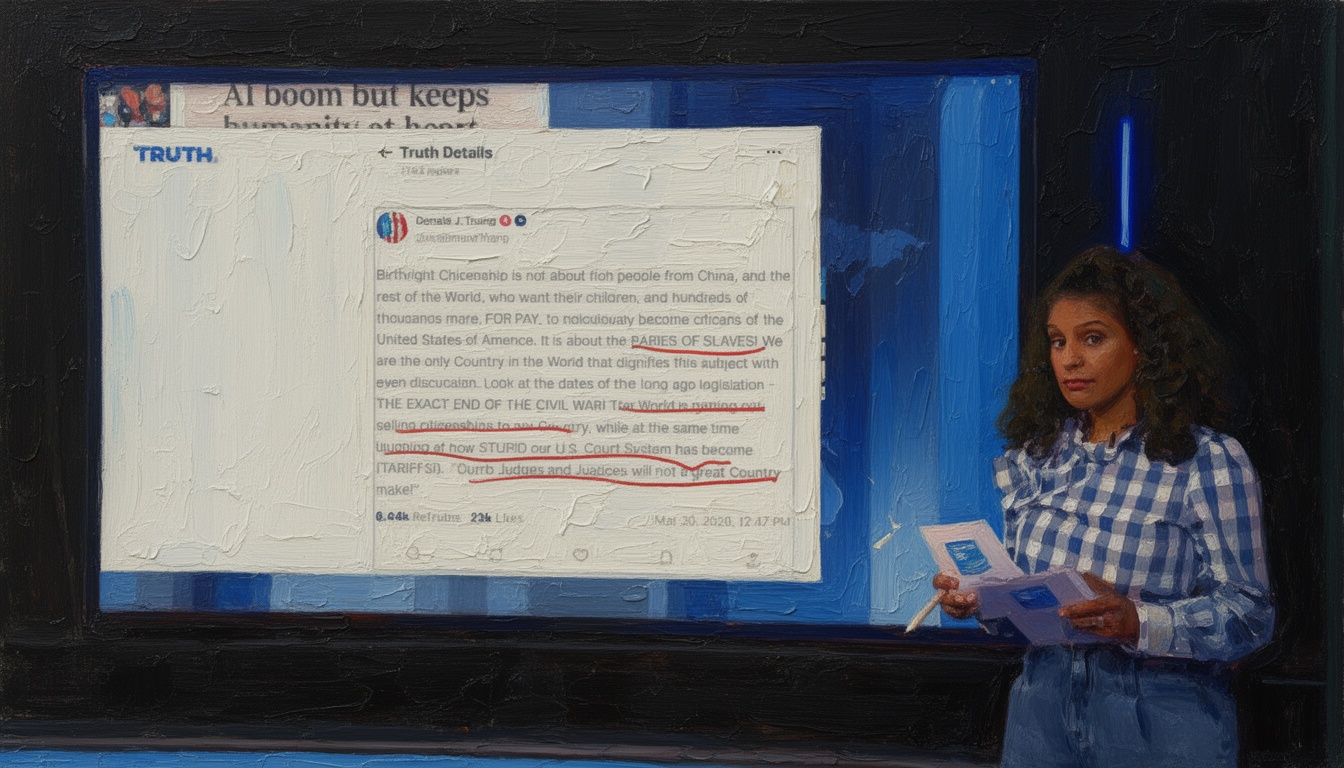
Trump attacks Supreme Court before birthright citizenship ruling
Donald Trump escalates tensions with the Supreme Court as it reviews his 2025 executive order targeting birthright citizenship. The case could reshape American immigration law with global implications. Meanwhile, allegations swirl over pre-war defense investments and a major criminal trial unfolds in France.
Former US President Donald Trump publicly insulted the Supreme Court judges as they prepared to hear a pivotal constitutional case challenging his 2025 executive order on birthright citizenship. He called the judges 'dumb' and accused them of bias, heightening political polarization ahead of the ruling. The court's decision will address whether children born in the US automatically gain citizenship, potentially overturning decades of legal precedent.
Birthright citizenship, guaranteed by the 14th Amendment, has shaped US immigration policy for over a century. Trump’s executive order seeks to limit this right, fueling a fierce legal and political battle. The case attracts international scrutiny because US citizenship laws influence migration patterns and geopolitical relations worldwide.
If the Supreme Court backs Trump’s order, the legal landscape of American immigration will shift profoundly. This could trigger changes in global migration flows, affecting neighbors like Mexico and Canada and escalating tensions around border security. The case also tests the judiciary’s independence amid rising partisan pressures.
Technically, the case addresses the interpretation of the 14th Amendment’s Citizenship Clause. Trump's order aims to restrict automatic citizenship to children of non-citizens with lawful status, excluding undocumented immigrants’ children. The Supreme Court’s composition of conservative and liberal justices adds uncertainty to the outcome.
The ruling will set a legal precedent with far-reaching consequences for US immigration enforcement and citizenship policies. It may embolden other nations to reconsider birthright citizenship laws. The case also signals broader strife over constitutional interpretation and the politicization of the judiciary in a deeply divided US.