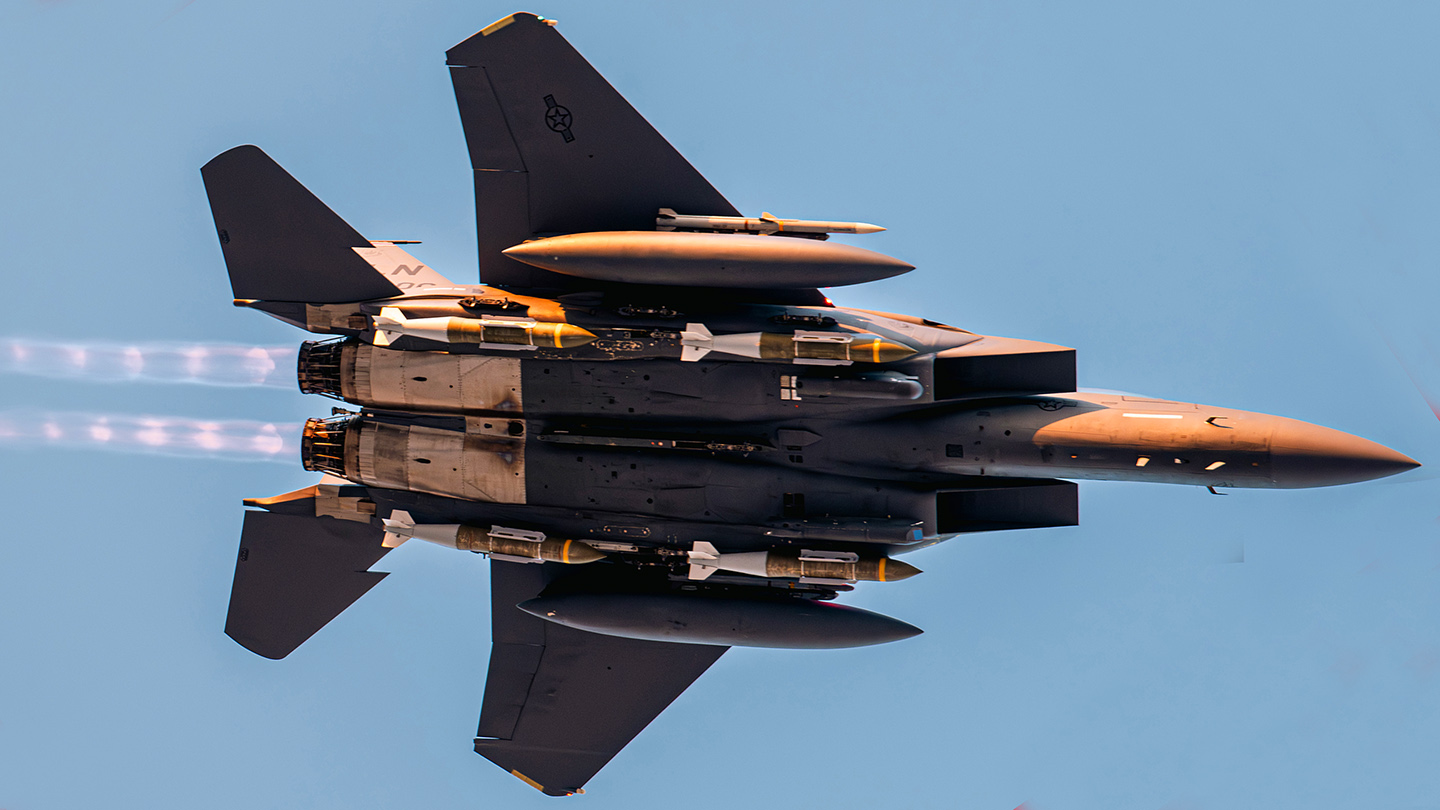
Total Air Supremacy Over Iran Remains Unachieved — Strategic Fallacy Exposed
Claims of air supremacy over Iran are grossly overstated, threatening regional stability. The balance of aerial power remains contested by Iran’s robust aerial defenses and missile capabilities.
Despite speculations circulating in defense circles, total air supremacy over Iran has not been achieved, contradicting claims of unchallenged aerial control. The Iranian air defense network, reinforced by both domestic technology and foreign systems, continues to pose a formidable challenge to any would-be aggressors. High-profile military exercises and the testing of advanced missile systems highlight Tehran's ongoing commitment to maintaining its aerial sovereignty.
Historically, Iran has leveraged its geographic advantages, coupled with substantial investments in anti-access area-denial (A2/AD) capabilities, to deter air operations by regional adversaries. Since the US-led invasion of Iraq in 2003, and further emphasized post-2011 during the Syrian Civil War, Iran's military modernization has focused on enhancing its air defense, particularly through systems like the Russian S-300 and domestically-built Bavar-373. These developments were not merely defensive posturing but rather calculated strategies to survive and counterbalance hostile actions.
The failure to secure total air supremacy over Iran presents significant implications for regional security dynamics, especially concerning Israel and the Gulf Arab states. The Iranian military's focus on developing asymmetric warfare capabilities, including drone and missile technologies, daringly challenges not just local hegemony but also the strategic frameworks that underpin Western interventions in the region. This persistent threat compromises predefined US and allied military strategies in the Middle East and exposes vulnerabilities.
Key actors in this scenario include not only Iran but also the US, Israel, and their Arab allies who perceive a direct threat from Iranian aerial capabilities. Tehran's motivations center on deterrence and regional influence, using their air defense narrative to undermine the perception of vulnerability. Conversely, US and Israeli efforts to assert air dominance continue to be hindered by Iran's effective defense network, which emboldens Tehran and raises the stakes of confrontation.
Operational specifics reveal that Iran's air defenses are equipped with several systems capable of tracking and engaging a range of aerial threats. With a network that reportedly includes over 30 radar installations and achieving around 10-12 active missile systems of different ranges, Iran's ability to challenge air power has been significantly enhanced. The cost of maintaining these capabilities is substantial; Iran's defense budget allocated approximately $20 billion in 2022, indicating its prioritization of military modernization in the face of sanctions and international isolation.
In the short term, the lack of total air supremacy over Iran may lead to increased regional tensions and a possible arms race, pushing neighboring countries to accelerate their military capabilities in response. The increased frequency of military drills and arms imports among Gulf states is likely, as they prepare for any potential conflicts sparked by Iranian provocations or miscalculations. Concurrently, any underestimation of Iran's air defense could embolden Tehran to escalate its regional engagements, further destabilizing an already tense landscape.
Historical parallels can be drawn from the late 20th-century conflicts, where Middle Eastern nations showcased their ability to compete against technologically superior adversaries. Iraq’s air defense systems during the Gulf War and Syria's military resilience during its civil war serve as stark reminders that underestimation of local defense capabilities can lead to unforeseen setbacks for foreign military interventions.
Going forward, analysts must watch for indicators of Iran’s military posture changes, particularly the introduction of new technologies or potential alliances with nations like Russia and China. Close monitoring of ICBM tests and air defense upgrades will be critical, as these elements will shape the regional security landscape over the next several years.