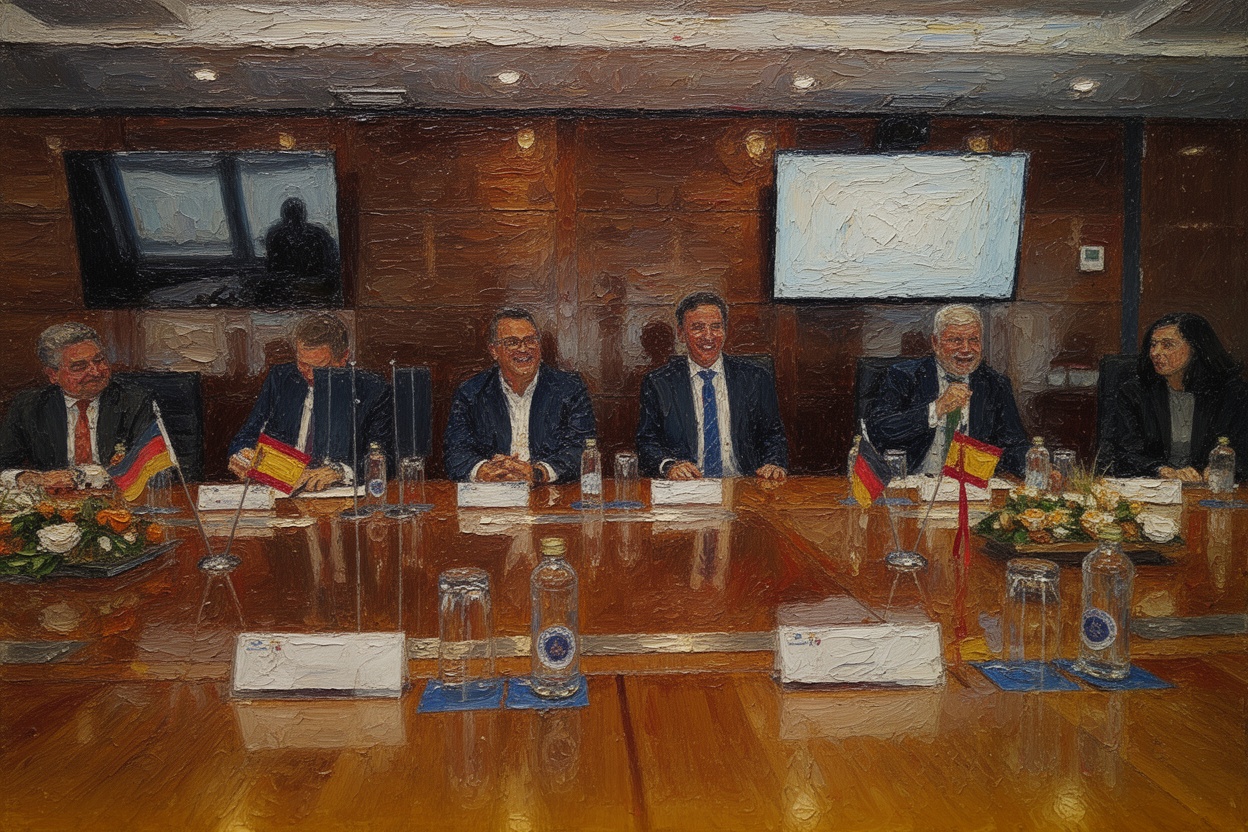
TKMS and Navantia Ink MoU on Shipbuilding Cooperation Roadmap
German firm TKMS and Spain's Navantia sign a memorandum outlining a joint roadmap for shipbuilding cooperation. The agreement contemplates potential production of TKMS vessels, notably conventional submarines, at Navantia's Spanish yards. The partnership signals a deepening European defense-industrial collaboration with implications for regional deterrence and supply chains.
A formal MoU between TKMS and Navantia establishes a joint road map for future shipbuilding cooperation. The agreement points to the potential production of TKMS vessels, with a focus on conventional submarines, at Navantia's shipyards in Spain. Both companies frame the document as a first step toward closer industrial integration across Europe’s naval sector. The release emphasizes a commitment to explore capabilities, facilities, and program alignment in the near term. The arrangement aims to strengthen the continental defense-industrial base while edging toward diversified production lines.
Background context centers on a long-standing collaboration between German and Spanish shipyards in the naval domain. TKMS possesses a broad portfolio of submarine programs and surface ships, while Navantia operates major shipyards along the Iberian coast and maintains a robust Spanish submarine capability. The MoU builds on existing bilateral interactions and seeks to formalize a roadmap that could unlock joint manufacturing, supply chain resilience, and technology transfer. Analysts will watch for the formalization of specific programs, export controls, and financial parameters as the agreement matures.
Strategic significance centers on European industrial cohesion and deterrence dynamics. A formalized collaboration could reduce procurement timelines for member states and enhance second-source options for critical platforms. By situating potential production in Spain, the plan could shift industrial risk away from single-supplier ecosystems and strengthen Spain's role as a naval manufacturing hub. The arrangement also intersects with broader European strategic priorities, including capability diversification and optimization of naval sustainment across the Atlantic theater.
Technical and operational details remain preliminary, as the MoU outlines a framework rather than concrete contracts. The emphasis is on conventional submarines, with Navantia potentially hosting production activities at its Iberian yards. The partnership would involve joint design reviews, industrial partnerships, and capability assessments to align with TKMS’s engineering standards. Budgetary figures, program schedules, and workforce implications will hinge on subsequent negotiations and security clearances between the firms and national authorities.
Likely consequences include a more resilient European submarine supply chain and a broader regional footprint for TKMS and Navantia. If the roadmap progresses, Spanish yards could become key nodes for TKMS-conceived platforms, potentially affecting regional tender dynamics and allied industrial politics. Forward assessment suggests increased collaboration in naval electronics, propulsion integration, and lifecycle support, with potential implications for regional deterrence postures and export opportunities.