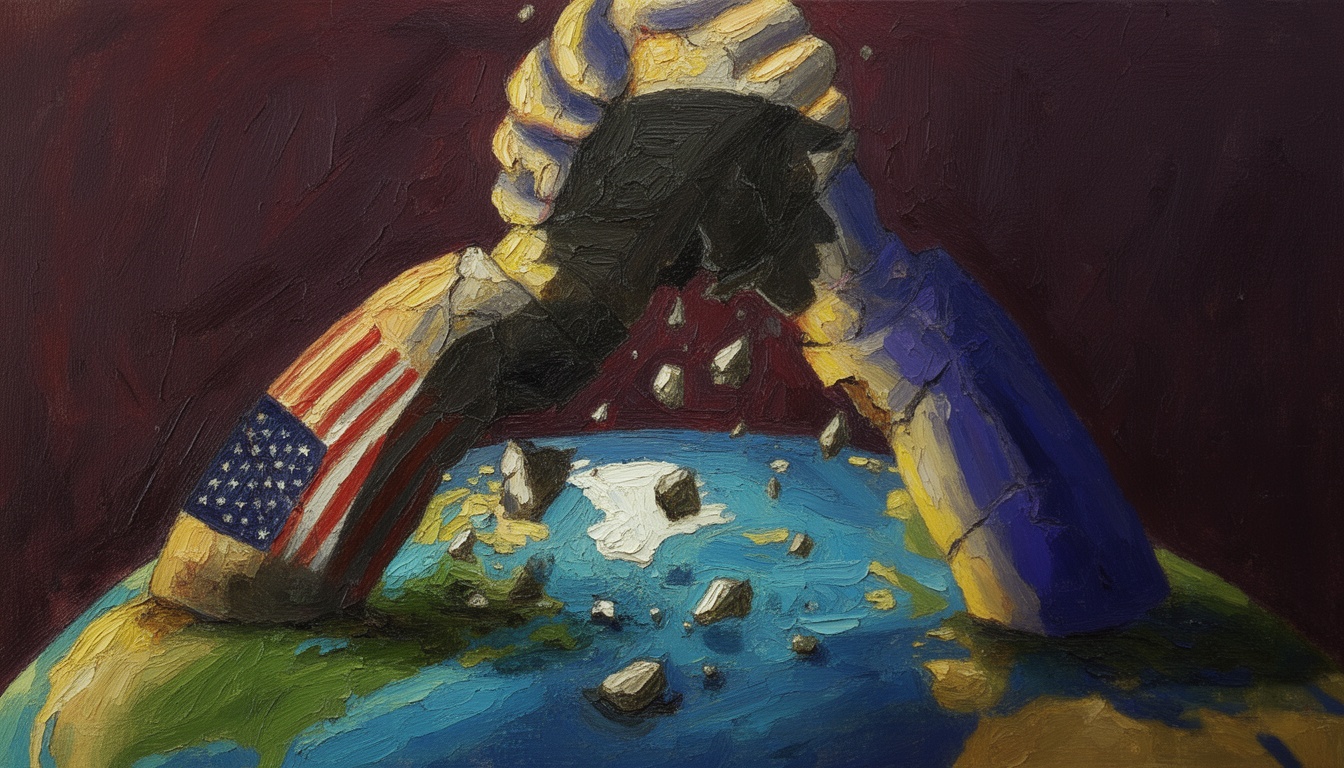
The rupture: how Europe fell out of love with America
Europe once welcomed America’s return to the table with relief. The G7 era shaped sanctions and alliance dynamics after Russia’s Ukraine invasion, but transatlantic trust has eroded under competing strategic visions, domestic divisions, and divergent responses to security threats. The alliance now faces recalibration as Europe searches for autonomy without breaking transatlantic ties.
From a Cornish podium in June 2021, Joe Biden proclaimed that America was back at the table, signaling a reset of transatlantic relations after Donald Trump’s disruption. The moment framed Europe’s expectation that Washington would restore predictability, leadership, and shared burden. It also set a political tempo that Europe would later measure against Moscow’s aggression and Beijing’s rising influence. Within months, the alliance moved from rhetoric to policy, cementing a concerted Western approach to Russia and strategic deterrence across the continent.
When Russia invaded Ukraine eight months later, the G7 solidified as the premier forum for punitive sanctions and coordinated responses. Europe embraced a more assertive role in shaping economic pressure, arms support, and diplomatic pressure against Moscow. Yet beneath the unity, fault lines emerged: energy dependence, defense spending, and the pace of strategic autonomy pushed some members toward greater independence from Washington. The crisis crystallized a tension between alliance solidarity and national interests.
The strategic consequences were immediate. The transatlantic bond remained a critical pillar of European security architecture, but the political climate grew frigid in places. Public opinion in several European capitals shifted as casualties mounted and long-term costs of sanctions accumulated. Washington’s leverage depended on credible European complements; with fatigue rising, Europe signaled a desire to diversify security partnerships beyond the Atlantic circle.
Operationally, the period reoriented defense planning, supply chains, and industrial cooperation. NATO’s deterrence posture took on new life as European forces modernized, purchased advanced systems, and increased readiness. The United States pushed for synchronized sanctions and intelligence-sharing while pressing allies to maintain unity amid domestic political pressures and competing regional priorities. The balance between alliance cohesion and strategic autonomy defined the era.
Looking forward, the likely trajectory blends continuity with recalibration. The risk of renewed great-power competition elevates the need for resilient European defense capabilities and diversified security partnerships. The international order hinges on credible deterrence, reliable supply chains, and political stamina on both sides of the Atlantic. If the West can sustain strategic trust while accommodating legitimate national interests, a stable yet autonomous transatlantic relationship could endure amid a shifting global balance.