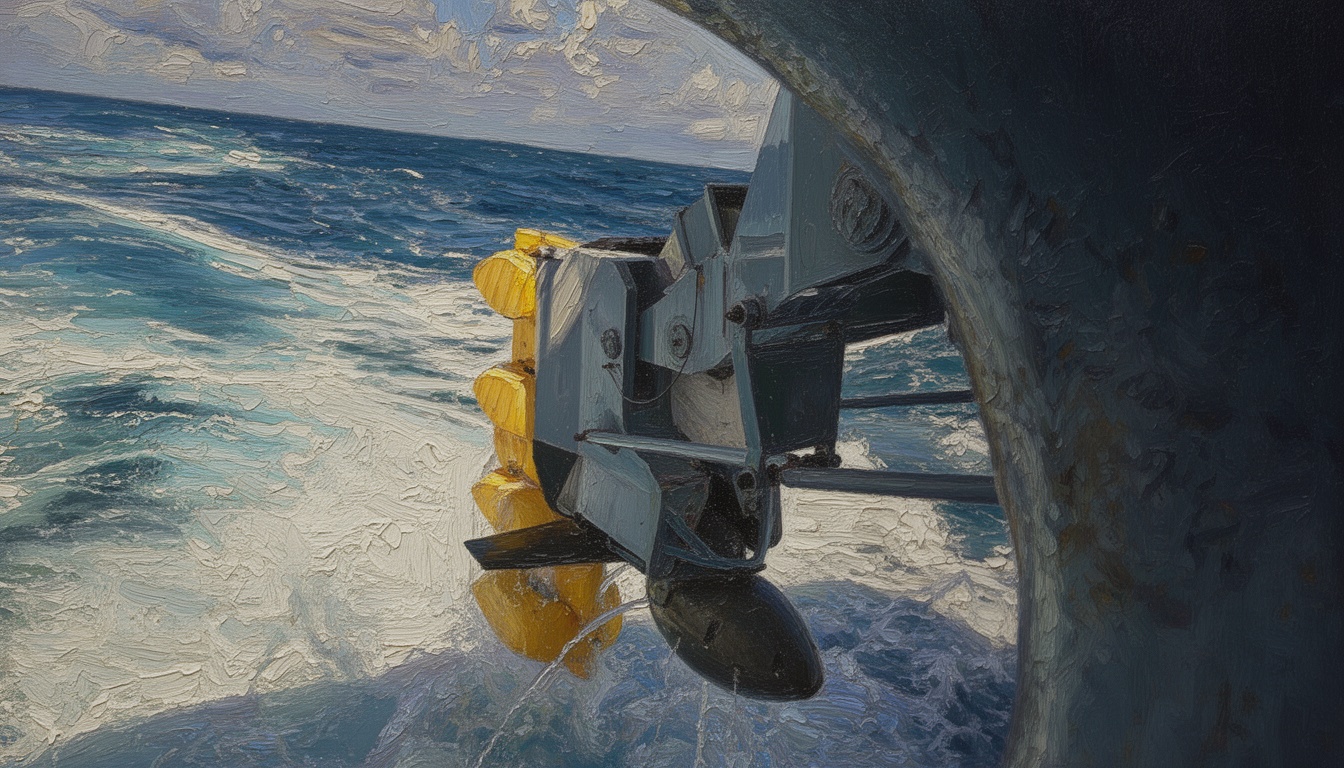
Thales CAPTAS-4 Sonar Faces New Fate After Frigate Cancellation
Thales’ CAPTAS-4 VDS sonar, once slated for the Constellation-class frigates, now faces repurposing as the U.S. Navy cancels a large surface combatant program. The interview with Thales and ACC executives outlines potential pathways for the system. The decision point reshapes naval acoustics projects and supplier leverage in a shifting defense market.
The CAPTAS-4 Variable Depth Sonar (VDS) program, long tied to the now-cancelled Constellation-class frigates, is entering a pivot phase. Thales Defense & Security Inc. and Advanced Acoustic Concepts (ACC) executives described alternate routes during a recent interview, signaling that the technology will not simply vanish. The U.S. Navy’s decision to terminate the class creates a vacuum for high-end hull-mounted and decoupled sonar capabilities in the surface fleet. Stakeholders are weighing timelines, funding, and international competition for best-in-class sensing.
Background and leverage: CAPTAS-4 is a mature, multi-array system designed for deep-water passive and active detection, with a track record in varied maritime theaters. The cancellation of the Constellation-class reduces a main procurement channel for the platform, but it does not eliminate demand for anti-submarine warfare tools. Thales and ACC emphasize that the broader U.S. and allied fleet modernization could still benefit from the same core technology sales and integration know-how. The partners argue that modularity and exportable configurations will be key to sustaining industrial momentum.
Strategic significance: The shift affects long-term dissuasion dynamics in the Western Pacific and Atlantic theaters. If CAPTAS-4 can be repurposed for other hulls or land-based testbeds, it maintains a credible deterrent edge against submarine threats. The development also tests the resilience of European defense supply chains amid higher competition for naval acoustics systems. In many scenarios, future surface combatants will demand flexible, networked sonar suites to complement unmanned systems and carrier strike groups.
Technical and operational details: CAPTAS-4 employs a variable-depth deployment concept with broad frequency coverage and advanced signal processing. The system’s integration requires compatible interfaces, power budgets, and sea-trial validation pipelines. Budgetary constraints and program scoping will determine whether the system migrates to a future frigate line, retrofit programs, or allied ships under new procurement frameworks. The ACC collaboration underscores ongoing investments in acoustic sensors and propulsion-agnostic architectures that can fit multiple ship classes.
Consequences and forward assessment: The industry will watch for whether Congress or the Navy re-scopes the surface fleet plan toward smaller, cheaper platforms or a renewed emphasis on high-end sonar reach. Export potential depends on ITAR constraints and partner country demand for submarine or ASW enhancements. In the near term, CAPTAS-4 remains a reference point for next-gen acoustics, while the frigate cancellation accelerates strategic questions about the U.S. surface fleet’s future anti-submarine architecture.