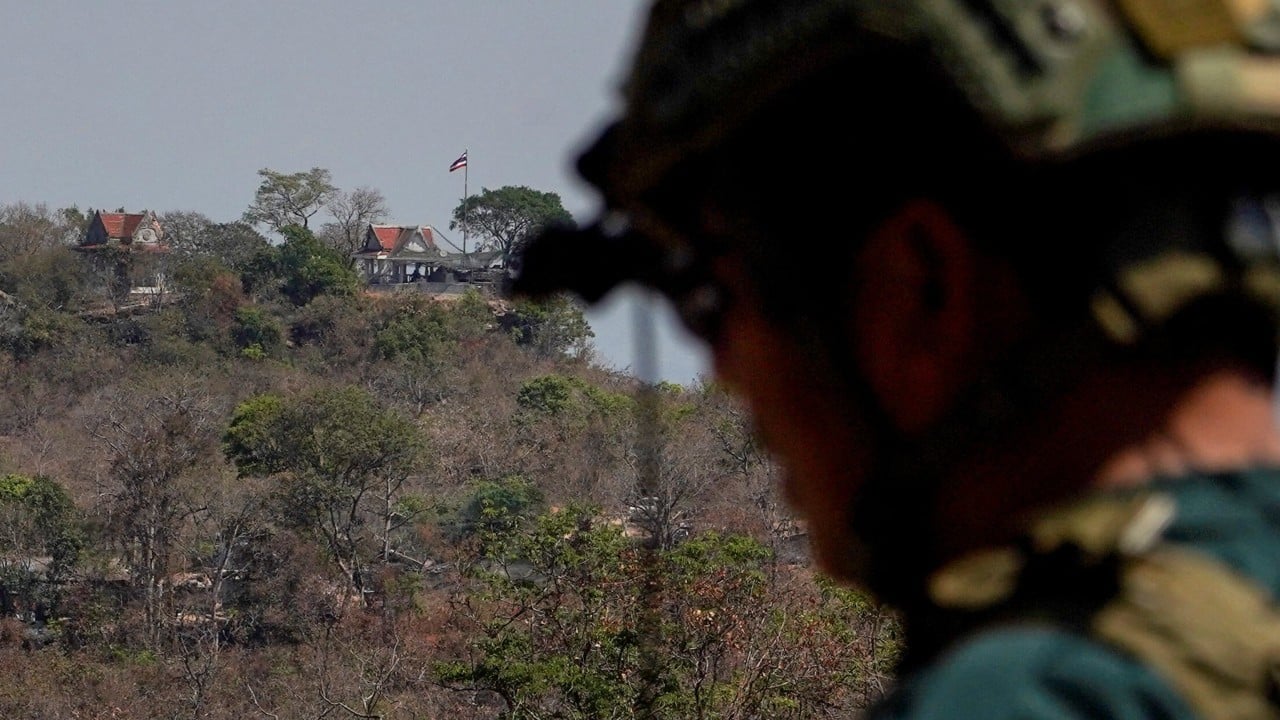
Thailand and Cambodia Escalate Diplomatic Struggle Amid Deadly Border Dispute
Thailand and Cambodia are engaged in a fierce diplomatic battle over their ongoing border conflict, which recently resulted in significant casualties and displacements. The situation underscores regional tensions with potential implications for Southeast Asian security dynamics and international diplomatic relations.
Recent developments between Thailand and Cambodia have underscored a critical diplomatic struggle regarding their contentious border dispute. Cambodian Prime Minister Hun Manet has accused Thailand of violating a ceasefire and spreading disinformation during a visit to Washington, D.C. This accusation comes on the heels of intermittent clashes that had resumed in July 2023 and resulted in significant casualties—149 lives lost and widespread displacement—culminating in a second ceasefire agreement reached on December 27, 2023.
The geopolitical implications of this dispute are pronounced, particularly in the context of Southeast Asia, where regional stability is paramount. Both nations, sharing an 817 km (508-mile) border, are seeking to assert control over disputed territory that holds not only strategic significance but also potential natural resources. As ASEAN nations navigate a landscape marked by rising tensions with larger powers such as China, the rhetoric and actions of Thailand and Cambodia could influence the regional security architecture and alignments within ASEAN.
Key players in this situation include the leaders of Thailand and Cambodia—Prime Minister Hun Manet and his Thai counterpart. Hun Manet's government is motivated by a desire to reinforce national sovereignty and maintain domestic support amid accusations of governance challenges. Conversely, Thailand’s leadership seeks to counter any narrative that could undermine its regional standing. The interplay of their positions may complicate efforts for sustained peace and stability in the region.
The implications of this border conflict extend beyond bilateral relations, potentially drawing in international actors and impacting ASEAN’s cohesion. As both nations vie for international sympathy and support, miscommunications and misrepresentations may heighten tensions, increasing the risk of military engagements that could destabilize the region. Neighboring countries and global powers with vested interests may also be compelled to reconsider their diplomatic stances as the situation evolves.
Historically, border disputes in Southeast Asia have been fraught with tensions, often igniting nationalistic sentiments and leading to armed confrontations. The precedent set by this recent conflict suggests that elevated rhetoric and military posturing could become a fixture in Thailand-Cambodia relations if diplomatic resolutions falter.
Analyst assessments indicate that lasting resolution requires not only bilateral negotiations but potentially an interventional approach from ASEAN or influential global powers to mediate. The outlook remains precarious as the potential for future flare-ups persists, particularly as each nation continues to position itself domestically and internationally amidst this fraught narrative control battle.